Latest News and Updates
 ͏‌ ͏‌ ͏‌ ͏‌ ͏‌ ͏‌ ͏‌ ͏‌ ͏‌ ͏‌ ͏‌ ͏‌ ͏‌ ͏‌ ͏‌ ͏‌ ͏‌ ͏‌ ͏‌ ͏‌ ͏‌ ͏‌ ͏‌ ͏‌ ͏‌ ͏‌ ͏‌ ͏‌ ͏‌ ͏‌  ͏‌ ͏‌ ͏‌ ͏‌ ͏‌ ͏‌ ͏‌ ͏‌ ͏‌ ͏‌ ͏‌ ͏‌ ͏‌ ͏‌ ͏‌ ͏‌ ͏‌ ͏‌ ͏‌ ͏‌ ͏‌ ͏‌ ͏‌ ͏‌ ͏‌ ͏‌ ͏‌ ͏‌ ͏‌ ͏‌  ͏‌ ͏‌ ͏‌ ͏‌ ͏‌ ͏‌ ͏‌ ͏‌ ͏‌ ͏‌ ͏‌ ͏‌ ͏‌ ͏‌ ͏‌ ͏‌ ͏‌ ͏‌ ͏‌ ͏‌ ͏‌ ͏‌ ͏‌ ͏‌ ͏‌ ͏‌ ͏‌ ͏‌ ͏‌ ͏‌  ͏‌ ͏‌ ͏‌ ͏‌ ͏‌ ͏‌ ͏‌ ͏‌ ͏‌ ͏‌ ͏‌ ͏‌ ͏‌ ͏‌ ͏‌ ͏‌ ͏‌ ͏‌ ͏‌ ͏‌ ͏‌
Audubon Texas
Latest News & Updates
bird
View from the Flyway
Dear Friends,

As autumn settles in across Texas, I’m reminded of the incredible journeys that have been happening above us. Millions of birds have been on the move, crossing skies, rivers, and coastlines guided by instinct and resilience. Their journeys are awe-inspiring, but they’re also fragile. Each wingbeat across that long journey depends on healthy habitats, safe skies, and communities that care. Avian migration is a powerful reminder of connection: between places, people, and the work we do together.

This season, I’ve been inspired by stories of connection that show why our work to bend the bird curve matters. Across Texas, the next generation is stepping up with students building bird boxes, advocating for bird-safe glass, and proving that conservation belongs to everyone. At the same time, we’re restoring critical nesting habitat on Chester Island in Matagorda Bay and expanding Audubon Conservation Ranching partnerships to protect grasslands for birds and people alike. Tribal partners are leading efforts to bring bison back and heal landscapes through traditional knowledge. These aren’t just projects, they’re chapters in a shared story of stewardship, written by all of us. But we can’t do it alone. Your support, your voice, and your actions make this possible.

As you read through this newsletter, I hope you feel the same sense of possibility that drives our work. Whether you visit an Audubon conservation action center, join a local chapter walk, turn off lights during migration, or simply pause to notice the birds in your neighborhood, on your ranch, or at your favorite sanctuary, know that your actions matter. Together, we’re creating a Texas where birds and people can thrive.

Thank you for being on this journey with us. We hope you have a wonderful and safe Thanksgiving holiday.

With gratitude,

Lisa Gonzalez
Audubon Texas Vice President & Executive Director
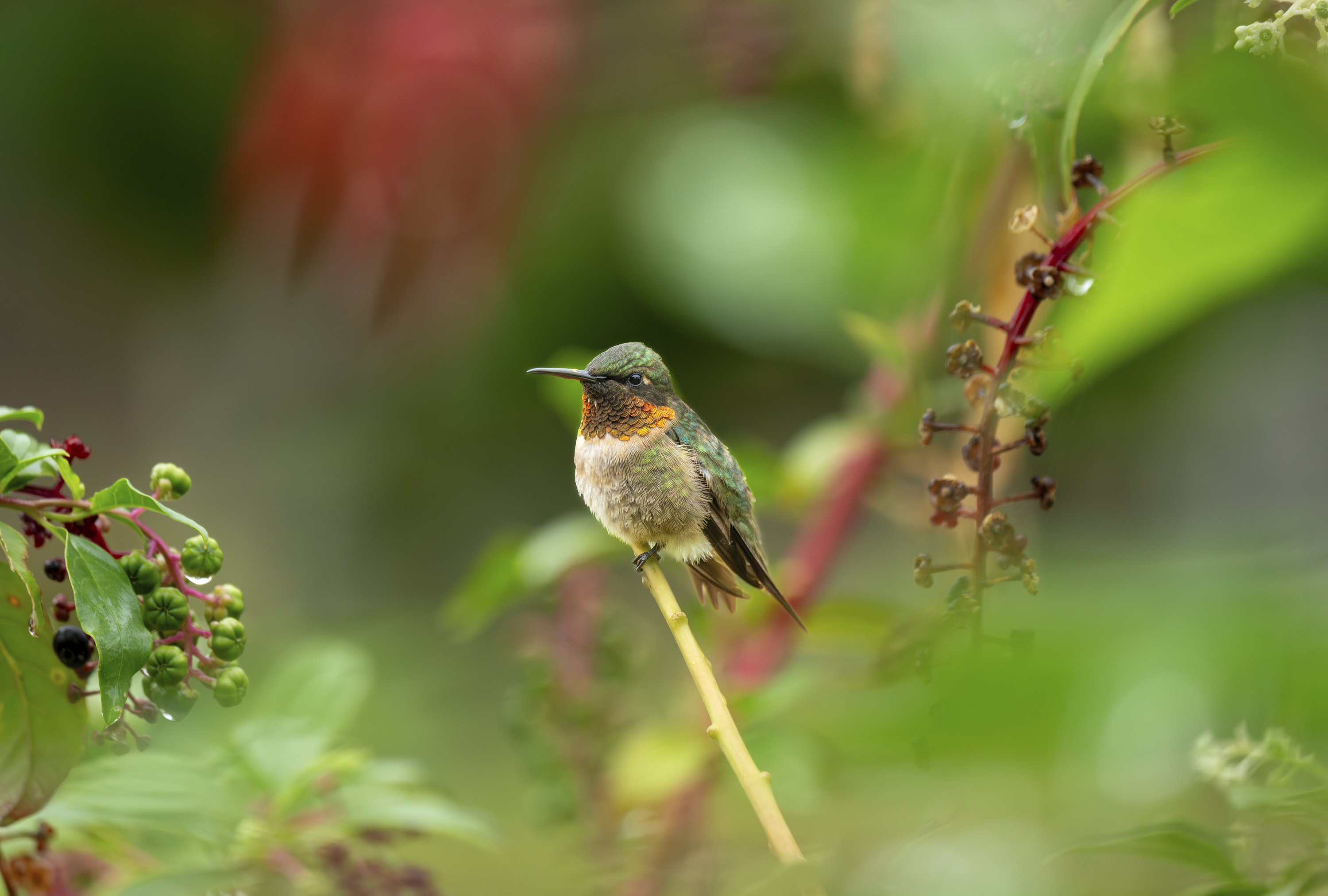
Ruby-throated Hummingbird - Lili Banta/Audubon Photography Awards
BBP
View from Another Perch

Sawdust to Sparrows: How a Youth-Led Project Became a Community Movement 

By Aamir Tinwala 

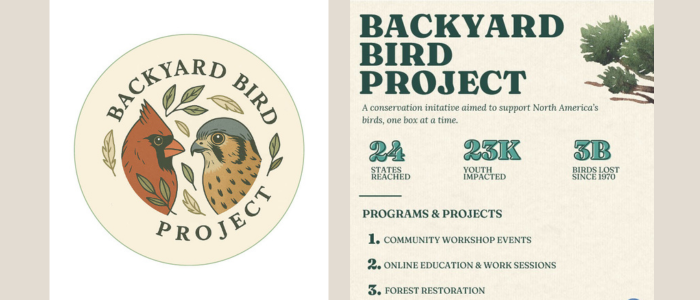
I started the Backyard Bird Project in middle school right after COVID restrictions lifted. At the time, I was active in environmental clubs, working on composting, food security, waste reduction, and tree planting. But what truly sparked my passion for bird conservation was the loss of my beloved pet cockatiel, Coco. That moment made me realize how much birds matter not just as companions, but as a vital part of our ecosystem.

I set out to help native Texan bird populations thrive, focusing on species like the Carolina Chickadee, Carolina Wren, and Northern Cardinal. At first, it was just me, a few tools, and a lot of sawdust. My 8th-grade science teacher and environmental club encouraged me to showcase the project at Coppell’s Earth Day event, where I gave away free nesting boxes. To spread the word, my mom posted on Nextdoor and other social platforms and soon, families across Coppell were signing up.
coast
Conservation

Coasts: Habitat Enhancement for Birds at Chester Island  

by Alexis Baldera – Senior Manager, Coastal Program

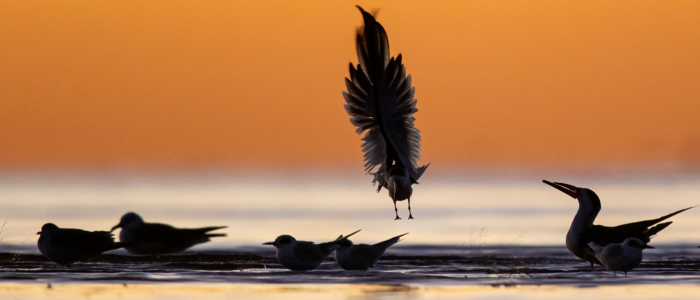
Exciting progress is underway at Chester Island in Matagorda Bay. Newly dredged material is being placed to restore and expand vital nesting habitat for Black Skimmers and terns. This project puts sediment from nearby navigation channel maintenance to work for birds. The sandy sediment is being used to create new areas of bare ground. These bare ground patches will be kept free of plants to provide new beach habitat for ground-nesting colonial waterbirds like terns and skimmers. The sediment is provided by the Army Corps of Engineers and is placed by Orion dredging. We appreciate their partnership to help ensure Chester Island continues to be a productive nesting ground for decades to come. 

This effort is part of Audubon Texas’ broader commitment to managing and maintaining rookery islands across the Texas coast. From habitat restoration and vegetation management to community clean-ups, we’re investing in the future of these critical bird habitats. Recently, the Texas team joined the San Antonio Bay Partnership and volunteers for a successful island clean-up, removing debris and improving conditions for wildlife and people alike. Together, these projects highlight what’s possible when conservation partners come together to keep our coastal ecosystems thriving.  
Black Skimmer and Forester's Tern - Bolivar Flats Audubon Shorebird Sanctuary, Texas - Tim Timmis/Audubon Photography Awards
acr

Conservation Ranching: Growing Roots, Restoring Relationships 

by Anita Gilson, Audubon Texas Range Ecologist

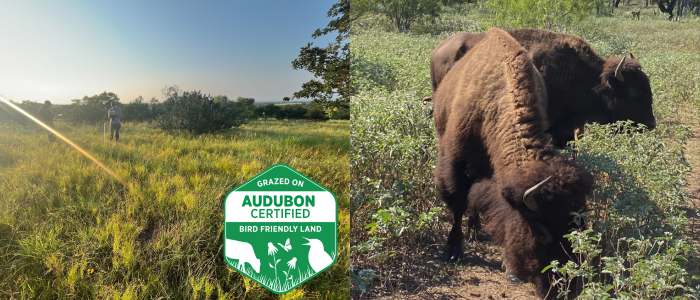
This season, the Audubon Conservation Ranching (ACR) program has been expanding its Texas partnerships in meaningful new ways. Range ecologist Sarah Galvan has been working alongside the Texas Tribal Buffalo Project, a Native-led initiative restoring bison and grassland ecosystems through traditional ecological knowledge and cultural connection. Through shared site visits and collaboration with tribal land managers, this partnership is helping weave together western science and Indigenous stewardship, enriching the ACR team’s approach to land management.  As Galvan notes, the challenges facing today’s landscapes and those impacting Indigenous communities are deeply linked. Honoring traditional perspectives strengthens habitat restoration, supports community healing, and deepens our connection to the land. Watching buffalo rematriation take root across Texas led by Lipan Apache women and affiliated tribes has been especially inspiring.

Beyond this collaboration, ACR continues to grow its impact statewide. Twenty ranches remain certified in Texas, representing 128,868 acres managed for both wildlife and working agriculture. This past quarter, range ecologists completed six new Habitat Management Plans (HMPs), with seven more in progress. Together, these thirteen ranches cover 348,425 acres expected to join the program early next year. Looking ahead to 2026, the team will conduct breeding season bird monitoring on seven new ranches added in 2025, providing landowners with valuable baseline data on their grassland birds.

As ACR expands, its vision remains clear: conservation that is inclusive, collaborative, and rooted in shared stewardship. From tribal buffalo herds to family cattle ranches, each partner helps shape a future where Texas grasslands and the communities connected to them can flourish for generations.
 
Ranch surveys Photo: Anita Gilson/Audubon and Texas Tribal Buffalo Project - Buffalo in Floresville, Texas
Lincoln's Sparrow

Protecting Birds, No Matter Your Age – Lights Out, Texas!

by Chloe Crumley, Audubon Texas Engagement Manager

When we talk about bird collisions, it’s not just lights that pose a threat glass is a major culprit too. Addressing these issues takes many hands, and in a state as big as Texas, we need everyone involved no matter your age!

At a recent event in downtown Dallas advocating for safer glass, 12-year-old Arjun shared his experience volunteering for collision surveys. He spoke about the heartbreaking task of collecting birds that had fatally collided with glass and how those moments shaped his dream of becoming an ornithologist. His passion for change was inspiring and a reminder that action starts young.

Across Texas, we’re seeing incredible examples of people of all ages stepping up for birds:

  • Dallas high school student Aamir began building bird boxes in 8th grade for native species like Chickadees and Carolina Wrens. What started as a local effort grew into the Backyard Bird Project, hosting workshops in person and online, and even connecting internationally with his Muslim community in India reaching over 20,000 youth and seniors worldwide. His work has inspired city-sponsored education programs about birds in his hometown.

  • College students in Port Aransas took Lights Out, Texas to the coast by presenting at a community event. They created a hands-on activity for kids to design bird-safe window patterns using washable paint pens a huge hit that sparked conversations among homeowners and businesses eager to learn more.

  • Students at UNT partnered with Fort Worth Audubon to survey birds potentially trapped in a light display in Arlington. Their data will help museums and researchers take informed action to prevent future collisions.

These stories prove that bird conservation isn’t just for scientists it’s for everyone. Whether you’re 12 or 72, your actions matter. From turning off lights during migration season to installing bird-safe glass or building nesting boxes, every step helps protect our feathered friends.

Join the movement. Together, we can make Texas skies safer and keep our neighborhoods full of bird song.
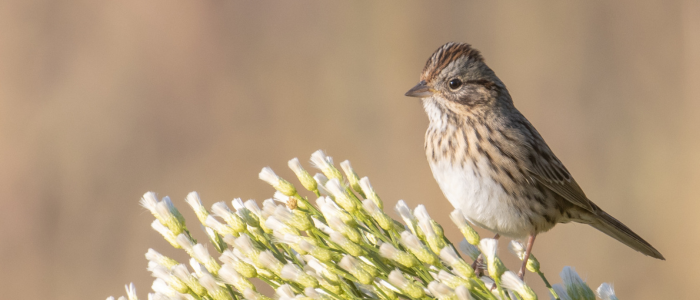
Lincoln's Sparrow - Joe Aliperti / Audubon Photography Awards
Community Building

Birds Are for All, Y’all — Join a Chapter 

One of the most inspiring parts of Audubon is its network of local chapters. Scattered across Texas, these teams are truly boots on the ground meeting people where they are, welcoming bird-curious newcomers, and opening doors to the joy birds bring to everyday life.

While birding can sometimes be seen as rigid or exclusive, those perceptions melt away the moment you join a chapter walk. As someone who entered the birding world not long ago, I’ve found these communities to be some of the most inviting and, in their own way, wonderfully punk.

Because here’s the secret: if you’ve ever stepped outside, paused to breathe, listened to the wind, and watched a bird hop along a branch with even a spark of curiosity, you’re already a birder. Whether that moment happened on your patio, at a neighborhood park, or on a distant trail, the intention is the same.

And you wouldn’t be alone. According to the U.S. Fish and Wildlife Service’s 2022 Survey, nearly 1 in 3 Americans engage in wildlife viewing, making it one of the most accessible outdoor activities in the country. Birding welcomes all ages, all incomes, all backgrounds, and all abilities no equipment or expertise required. Just wonder.

If you know someone who might delight in that first spark of discovery but doesn’t know where to begin, point them toward a chapter event. These gatherings are designed to be welcoming, inclusive, and beginner friendly because at the end of the day, birds are for all y’all.

Upcoming & Ongoing Chapter Activities

Travis Audubon 
• Beginner Bird Walk – Saturday, Dec. 6 
• Let’s Go Birding Together - Saturday, Nov. 14 (LGBTQIA+ and allies welcome)


Bastrop Audubon 
• Birding 101 Drop-In Classes – Spring 2026


Bexar Audubon 
• Beginner Family Walk – Saturday, Nov. 22 
• Spanish-Speaking Bird Walks – Year-round


Monte Mucho Audubon 
• Big Sits in Laredo - Bring a lawn chair; binoculars provided


And that’s just the start – there’s a chapter event for everyone.

Come find your flock!

image
Songs from Our Centers
Trinity River Audubon Center
Dallas, TX

We have a new addition to the flock! 


Welcome to Trinity River Audubon Center’s new Center Director, Amaris Alanis-Ribeiro. Amaris comes to Audubon from the Hispanic Access Foundation, where she oversaw a federal urban forestry grant program. Previously, Amaris led the North Park Village Nature Center, managing a city-owned facility and nature preserve that served 75,000 visitors a year. Fluent in Spanish and Portuguese, Amaris has received awards like the Wildlife Society Diversity Award (2024) and Chicago Wilderness Force of Nature Award (2017). She has been actively involved in leadership fellowships, boards, and committees focused on EDIB and STEM education.

Amaris is excited to continue advancing TRAC’s role in Dallas’s greenspace initiatives, amplifying its climate action, and supporting community building aligned with Audubon’s Flight Plan and EDIB.  

We’re Down with LBBs!


“What did you see?” is often the first question we ask when visitors return from the trails. The answers vary widely the Trinity River Audubon Center (TRAC) habitat is home to an incredible diversity of native Texas plants, insects, and wildlife. Sometimes, the question is met with another question: “I’m not sure can you take a look?” as a guest shows us a photo, or “I don’t know, but it sounded like this…” followed by enthusiastic bird calls. Whether by sight or sound, the TRAC team loves a good identification challenge!

But even seasoned birders  occasionally run into a tricky category: the LBB short for little brown bird. This catch-all term refers to small, brown, common birds that can be hard to identify. Carolina Wrens and Sparrows are classic examples. Sparrows are widespread and share similar brown, black, and white patterns, making them notoriously difficult to distinguish. Yet mastering Sparrow ID is rewarding, especially during winter birding.

Here at TRAC, we regularly spot more than a dozen sparrow species, and fall is the perfect time to sharpen your skills. Whether you’re new to birding or looking to expand your expertise, join us for a guided bird walk and learn how to turn those “LBB” sightings into Harris’s, Swamp, or Savannah Sparrows.

Plan your visit this November and discover a sparrow or two that’s new to you!

Upcoming Events at Trinity River Audubon Center. We have something for everyone!


Dogwood Canyon Audubon Center
Cedar Hill, TX


Accessibility Improvements Take Flight at the Center 

This season brought an important reminder: even the spaces we know best can reveal new opportunities for growth. A few years ago, our team discovered that while our center met basic ADA guidelines, true accessibility required much more than meeting minimum standards. It required re-imagining how every visitor regardless of mobility, age, or ability experiences nature at our site.

Thanks to the support and encouragement of our community, and with funding made available through Audubon’s Equity, Diversity, Inclusion, and Belonging (EDIB) department, we launched a series of upgrades designed to open our trails and outdoor spaces to more people than ever before.

This quarter, we’re excited to share the progress:

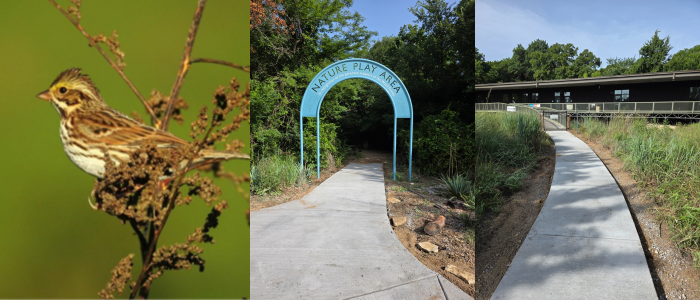
A fully paved approach to the Visitor Center: Our former gravel path has been transformed into a smooth concrete walkway that connects directly to the city’s multiuse trail and our accessible ramp.

New pathways linking key areas of the grounds: Visitors can now move easily between the basin deck, children’s nature play area, and pollinator wildscape. For many, this means being able to enjoy wildflowers, grasses, and pollinating insects up close for the very first time.

Positive feedback from visitors: Individuals using wheelchairs, walkers, strollers, or simply navigating temporary mobility limitations have expressed genuine appreciation for these changes. Their experiences affirm that these improvements matter and that they are already making a difference.

Looking ahead, our work continues. Plans are underway for:

  • A fully accessible boardwalk extending to the outdoor bird blind and along the ¼-mile Canyon Floor Trail

  • Sensory-friendly features in the Nature Play area

  • Large-print, bilingual interpretive signs to enhance learning through touch, sound, and sight

By expanding access, we strengthen our entire community and we further the mission we all share: protecting birds and the places they need to thrive. Thank you for being part of this journey. 

Upcoming events at Dogwood Canyon Audubon Center. Join us for a guided Tree ID walk! 

Mitchell Lake Audubon Center
San Antonio, TX

Celebrating Our First Bilingual Bird Walk at Mitchell Lake  


Mitchell Lake Audubon Center hosted its first-ever Bilingual Bird Walk this fall, bringing together new partner Las Pajareras and longtime collaborator Latino Outdoors San Antonio for a vibrant morning of birds, culture, and community. The event marked an exciting tri-partnership aimed at making birding more welcoming and accessible for South San Antonio's bilingual and Spanish-speaking audiences. 

We were thrilled to see so many participants bring along family and friends! From grandmas to aunts to neighbors, many enjoyed their first visit to Mitchell Lake Audubon Center. Everyone loved using the custom Lotería-style bird ID cards we made, which were a huge hit with both new and experienced birders to learn the English and Spanish names of common October birds in the area. The group spotted a wonderful variety of species, including a highlight sighting of a Loggerhead Shrike!  

The success of this first walk sets the stage for future bilingual programs that celebrate language, identity, and a shared love of nature at Mitchell Lake Audubon Center. 

Upcoming Events at Mitchell Lake Audubon Center. Come see our butterfly gardens!

Savannah Sparrow - Photo: Amy Severino / New accessible pathways at Dogwood Canyon Audubon Center
White tail
Around Audubon

Audubon receives Bezos Earth Fund Award to Harness AI for Bird Conservation in Latin America.

We love it when cutting-edge science and community leadership come together to protect birds!

Now a new Bezos Earth Fund award will help us deepen and extend our work combining community-based conservation with advanced machine learning to identify birds by their songs. 

By listening to nature in this way, Audubon and its partners will gather vital information about how wildlife is responding to climate and habitat changes helping communities better manage their lands and strengthen conservation across the Tropical Andes.
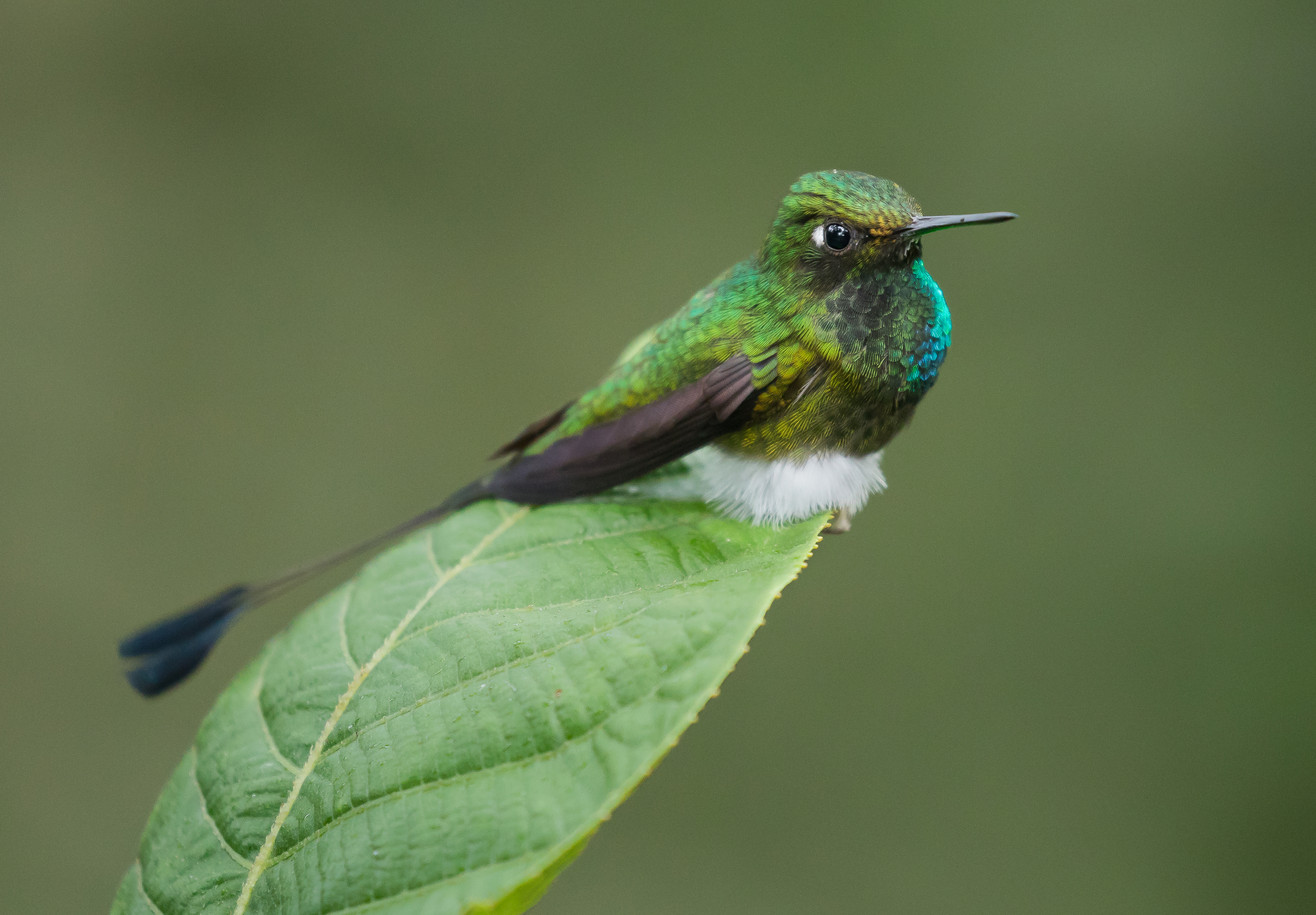
White-booted Racket Tail - Dorian Anderson/Audubon Photography Awards
bunting
Field Notes
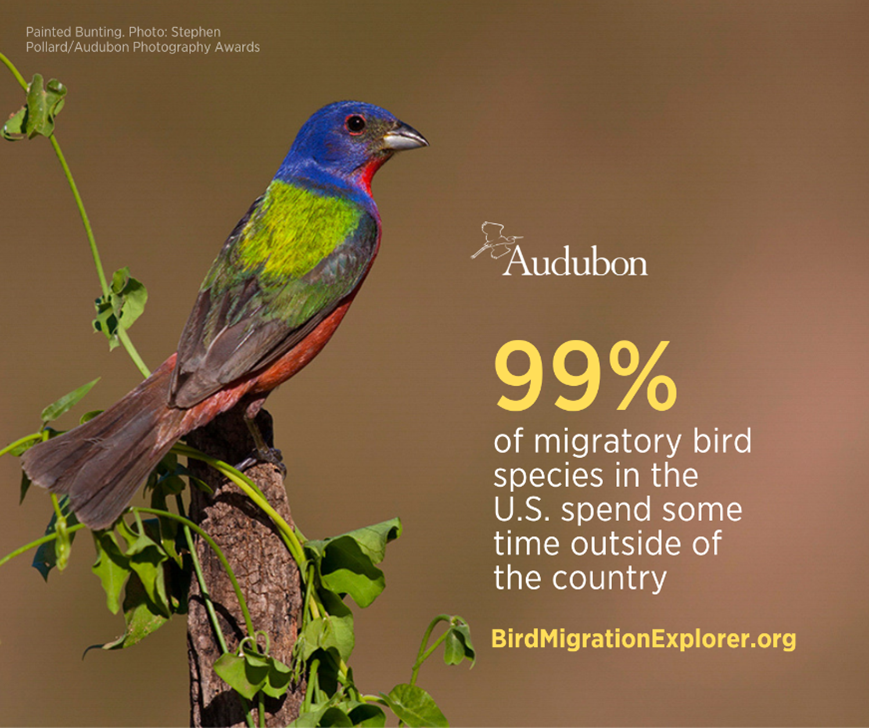
The Bird Migration Explorer now makes it even easier to discover fascinating bird journeys.

The Featured Species section highlights some of the best migration maps for tracked species. Explore here.


                          Join Audubon Texas today and protect bird habitat.

Thank you for your continued support of Audubon. The National Audubon Society protects birds and the places they need, today and tomorrow, throughout the Americas using science, advocacy, education, and on-the-ground conservation. Audubon's state programs, nature centers, chapters and partners have an unparalleled wingspan that reaches millions of people each year to inform, inspire and unite diverse communities in conservation action. Since 1905, Audubon's vision has been a world in which people and wildlife thrive. Audubon is a nonprofit conservation organization. For more information, events, and to find your local chapter visit https://tx.audubon.org/. You can also find us on Facebook, Twitter, and Instagram.


The Audubon Conservation Ranching Program is funded in part by the Dixon Water Foundation, the Natural Resources Conservation Service, and the National Fish and Wildlife Foundation.
Connect
CONNECT WITH US
FacebookTwitterInstagramLinkedInYouTube
Audubon Texas
2407 S. Congress Ave., Ste. E - #477, Austin, TX 78704 USA
512-488-1266 | tx.audubon.org

© 2025 National Audubon Society, Inc.

Unsubscribe