Catch up on the latest content from Audubon Rockies!
 ͏‌ ͏‌ ͏‌ ͏‌ ͏‌ ͏‌ ͏‌ ͏‌ ͏‌ ͏‌ ͏‌ ͏‌ ͏‌ ͏‌ ͏‌ ͏‌ ͏‌ ͏‌ ͏‌ ͏‌ ͏‌ ͏‌ ͏‌ ͏‌ ͏‌ ͏‌ ͏‌ ͏‌ ͏‌ ͏‌  ͏‌ ͏‌ ͏‌ ͏‌ ͏‌ ͏‌ ͏‌ ͏‌ ͏‌ ͏‌ ͏‌ ͏‌ ͏‌ ͏‌ ͏‌ ͏‌ ͏‌ ͏‌ ͏‌ ͏‌ ͏‌ ͏‌ ͏‌ ͏‌ ͏‌ ͏‌ ͏‌ ͏‌ ͏‌ ͏‌  ͏‌ ͏‌ ͏‌ ͏‌ ͏‌ ͏‌ ͏‌ ͏‌ ͏‌ ͏‌ ͏‌ ͏‌ ͏‌ ͏‌ ͏‌ ͏‌ ͏‌ ͏‌ ͏‌ ͏‌ ͏‌ ͏‌ ͏‌ ͏‌ ͏‌ ͏‌ ͏‌ ͏‌ ͏‌ ͏‌  ͏‌ ͏‌ ͏‌ ͏‌ ͏‌ ͏‌ ͏‌ ͏‌ ͏‌ ͏‌ ͏‌ ͏‌ ͏‌ ͏‌ ͏‌ ͏‌ ͏‌ ͏‌ ͏‌ ͏‌ ͏‌
Trivia time! True or false: American Avocets sometimes lay their eggs in the nests of other birds. (Find the answer at the bottom of this email.)
Audubon Rockies
Newsletter | September 2023
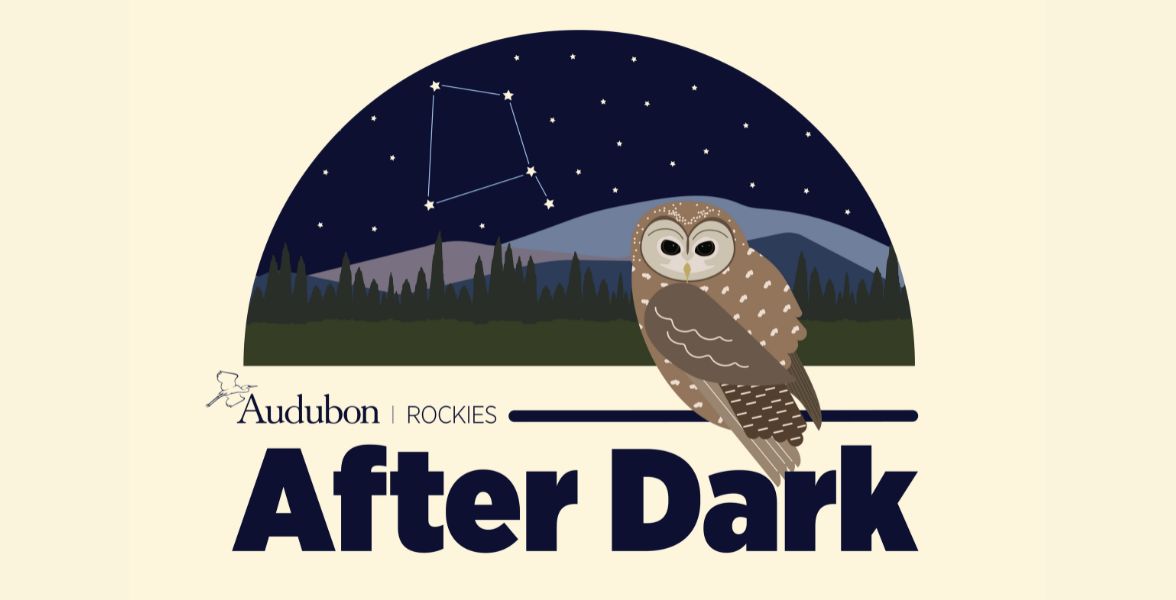
An illustration of a Mexican Spotted Owl in front of a starry sky. The words “Audubon Rockies After Dark” are below the illustration.
Audubon After Dark: Bird Trivia Hour
It’s back! We’re kicking off our Audubon After Dark fall event series with a game of virtual bird trivia on September 21. Join us to put your bird knowledge to the test! Questions will range from easy to difficult and will focus on species from the Rocky Mountain region. Everyone wins while we're laughing and learning about birds, but the top team will also earn bragging rights and prizes. Space is limited!Register now
Graphic: Yeji Kim/Audubon
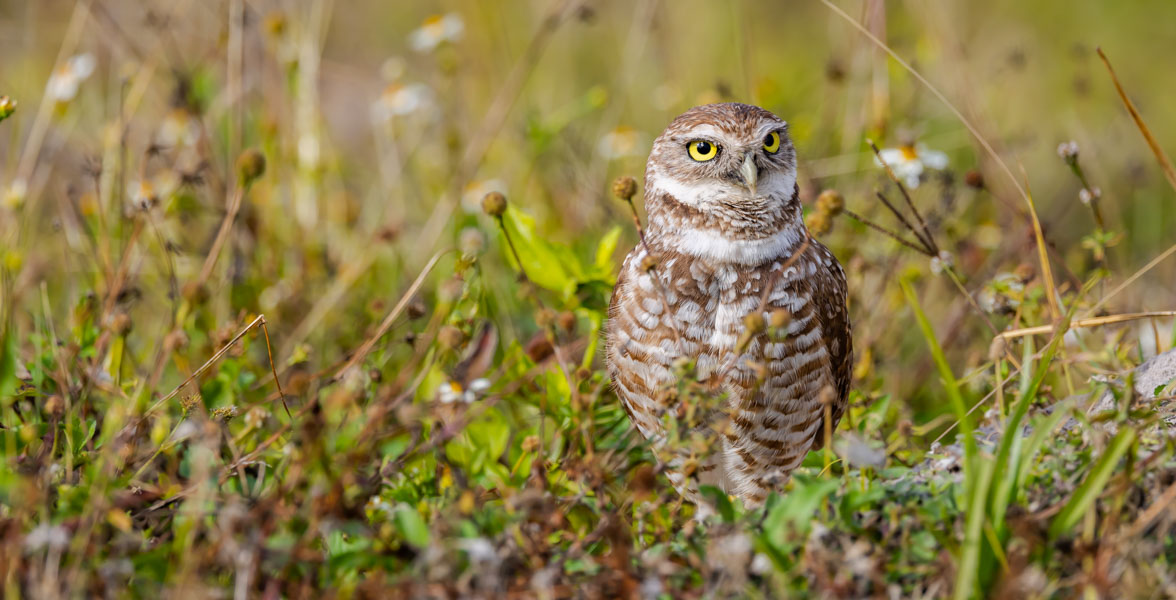
A brown and white owl stands in vegetation.
Urge the Bureau of Land Management to Update Oil & Gas Leasing Regulations
The U.S. Bureau of Land Management (BLM) manages more than 245 million acres of public land, 90% of which is currently open for oil and gas leasing and development. Many of the rules currently governing these activities are 50 years old or more, but the BLM recently released its first proposed comprehensive update and is looking for public feedback! BLM is proposing to steer development away from important wildlife habitat, increase bond amounts to enable the cleanup of abandoned wells, and increase fees required to lease and drill to more fairly compensate taxpayers for development on public land. Please take a few minutes to show your support!
Burrowing Owl. Photo: Tom Bognar/Audubon Photography Awards
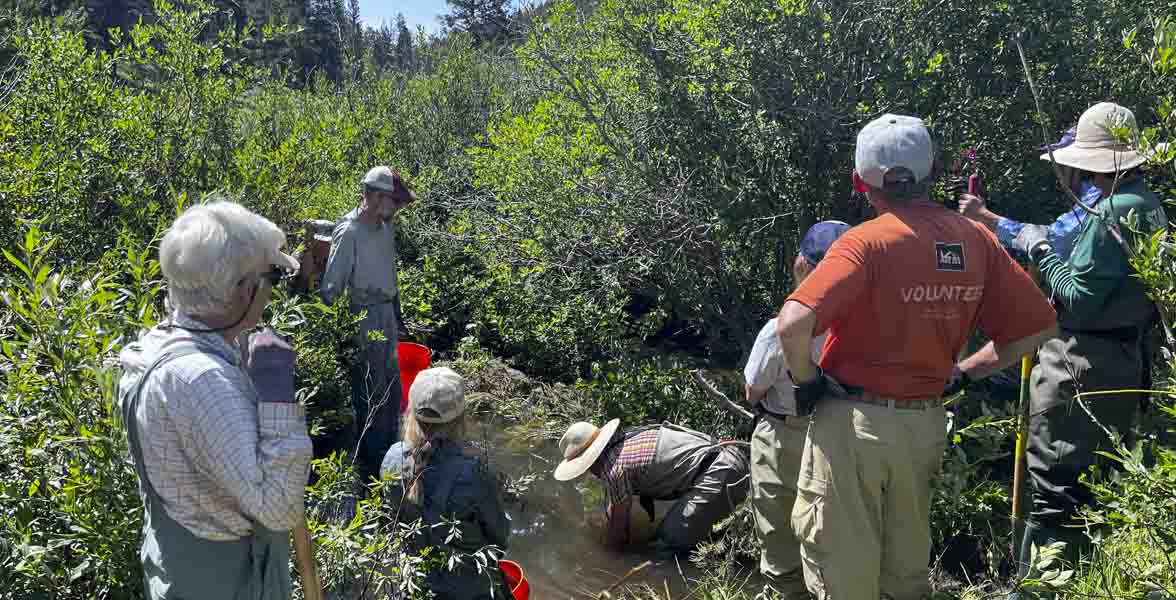
People gather around a person standing in a wetland.
Restoring Rivers, Connecting Communities
Watershed restoration is more than just the ecological lift it provides; it’s also about building connections within communities. During a restoration project in northern Colorado this summer, Audubon Rockies Western Rivers Senior Coordinator Samantha Grant witnessed the transformative power of community engagement first-hand.
Volunteers install a beaver dam analog. Photo: Samantha Grant
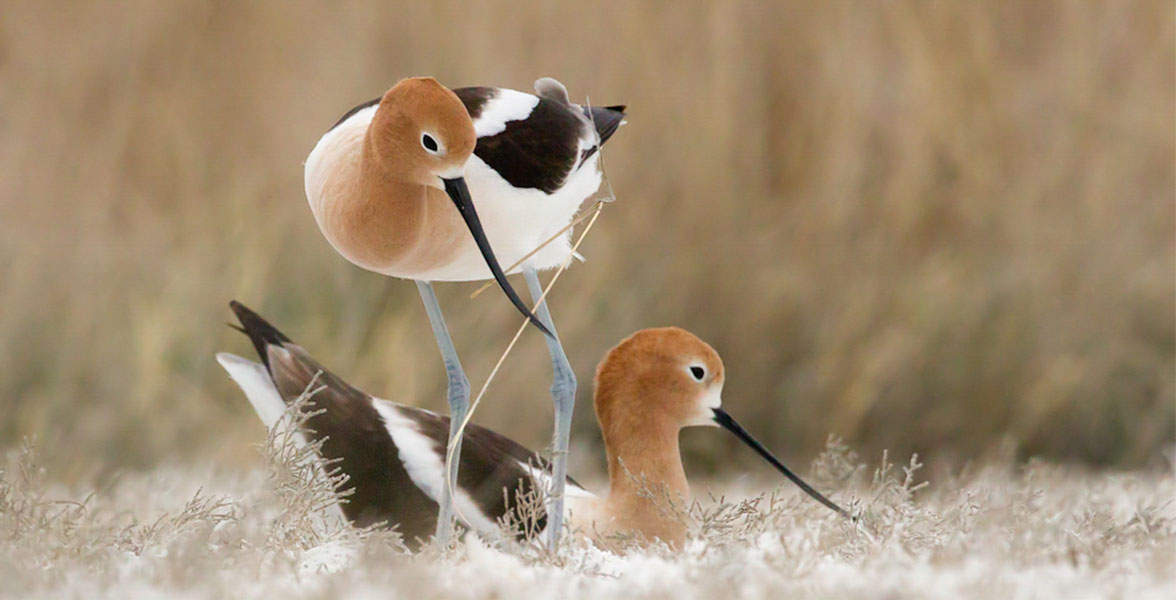
Two black, white, and rust-colored shorebirds in short, dry vegetation.
Gillmor Sanctuary Workdays
Many of the migratory bird species that nest and prepare for fall migration at Great Salt Lake will soon arrive at their southern wintering ranges but they’ll be back before you know it! This October, we're taking a few days to improve important bird habitat at Gillmor Sanctuary for when they return in the spring. Join us for Gillmor Sanctuary Workdays to lend a helping hand and, of course, enjoy some birdwatching along the way!
American Avocet. Photo: Melissa Groo/Audubon Photography Awards
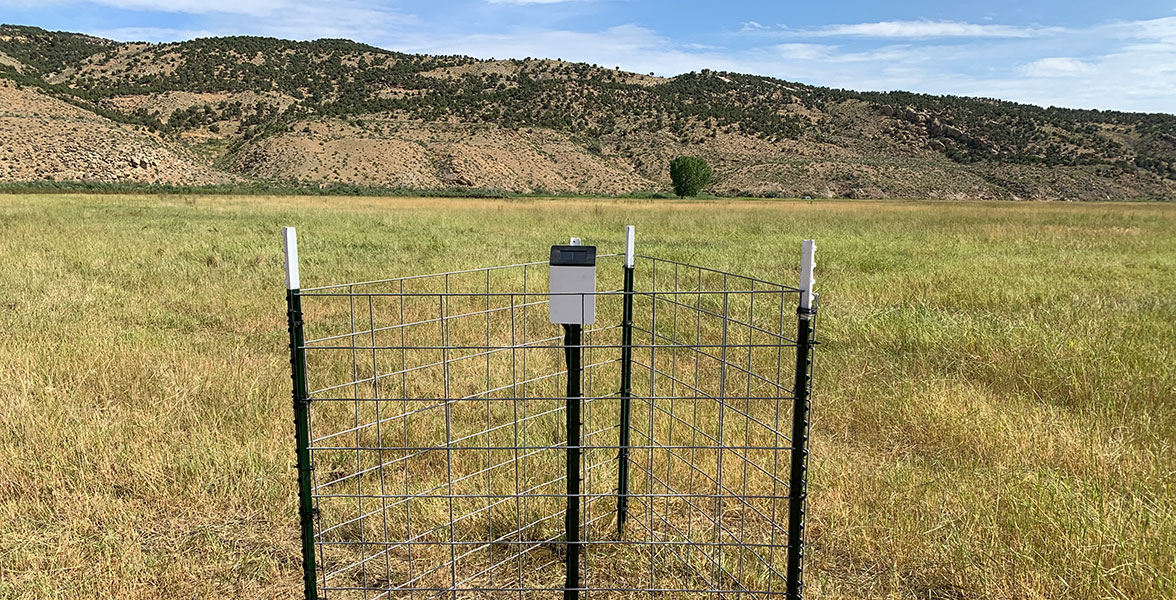
A soil sensor on a post surrounded by cattle fencing in a pasture.
Sensing the Soil
In 2021, Audubon Rockies was invited to participate in a new Colorado Department of Agriculture initiative, “Saving Tomorrow’s Agricultural Resources,” which helps farmers and ranchers evaluate management practices to improve soil health. The program will help us evaluate the effects that regenerative agriculture has on bird habitat. This year, our expanded monitoring efforts will provide additional crucial data.
A soil moisture monitoring sensor installed on an Audubon-certified ranch. Photo: Aaron Maier
From the Audubon Rockies Community
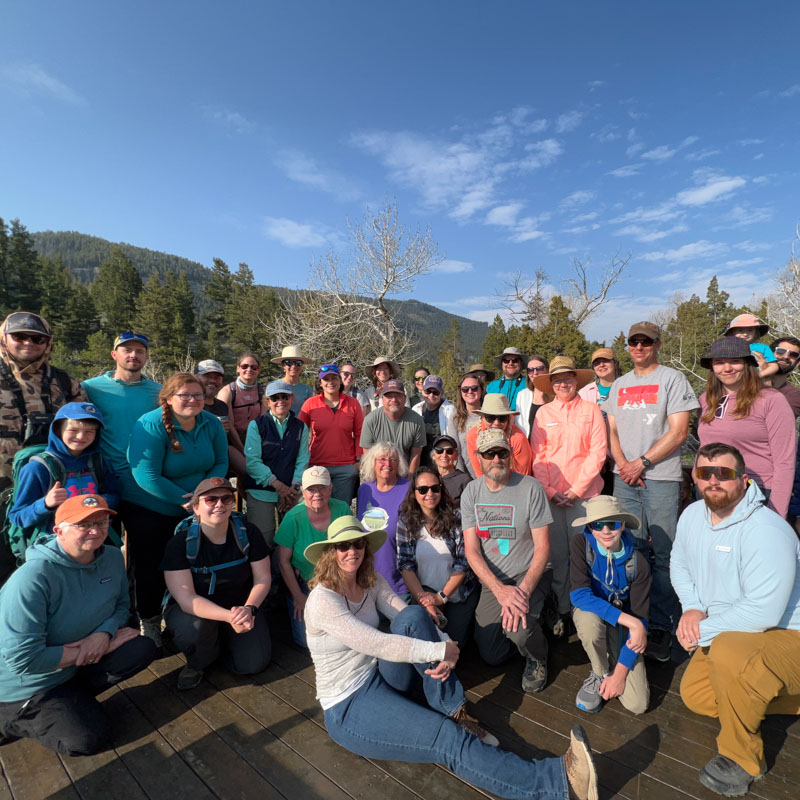
A group of three-dozen people pose outdoors for a photograph.
Nature Connects Us
When we ask our members what they find most rewarding about birds and conservation, many of their responses can be summarized in one word: connection. Could you use some connection today? Watch our interview with Wyoming Naturalist and Audubon Rockies member Casey Black for an example of how nature connected her to wildlife, people, and her home. Watch now
2023 Wyoming Naturalists in Sinks Canyon State Park, Wyoming. Photo: Zach Hutchinson
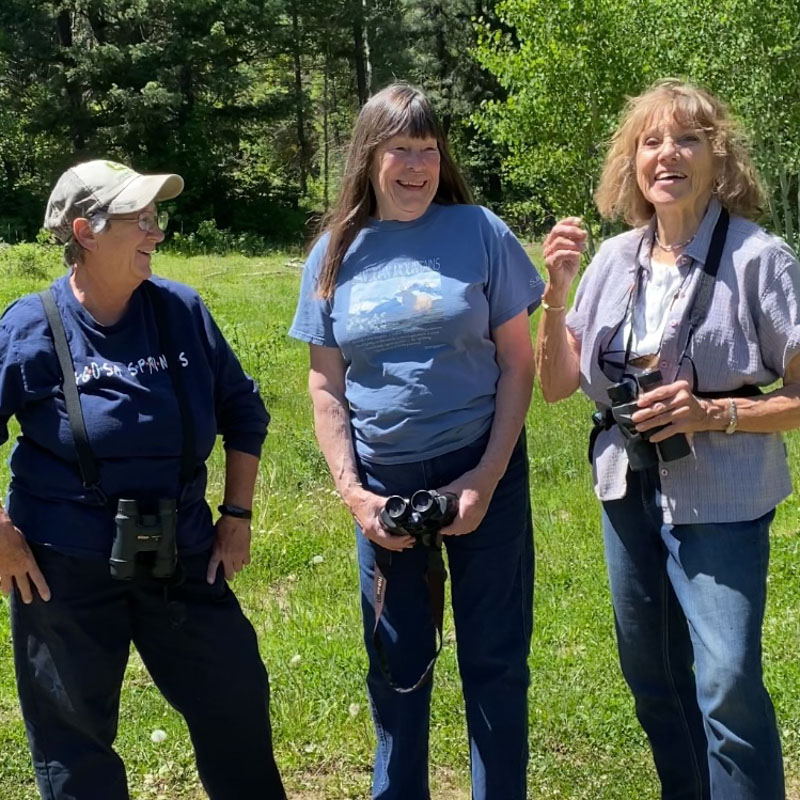
Three smiling adults stand in a line in a montane forest.
Feeling Stressed? Birds Can Help With That
The threat of wildfire intensified by fire suppression and climate change is a stressor for birds and people living in the American West. So why are these Audubon volunteers—who are helping to research the effects of wildfire mitigation on forest birds in southwest Colorado—so calm? Hear from Weminuche Audubon Society members about their participation in a forest monitoring project in Pagosa Springs, Colorado, and their secret to destressing this summer. Watch now
Weminuche Audubon Society members during a bird survey in Pagosa Springs, Colorado. Photo: Ashley Meadows
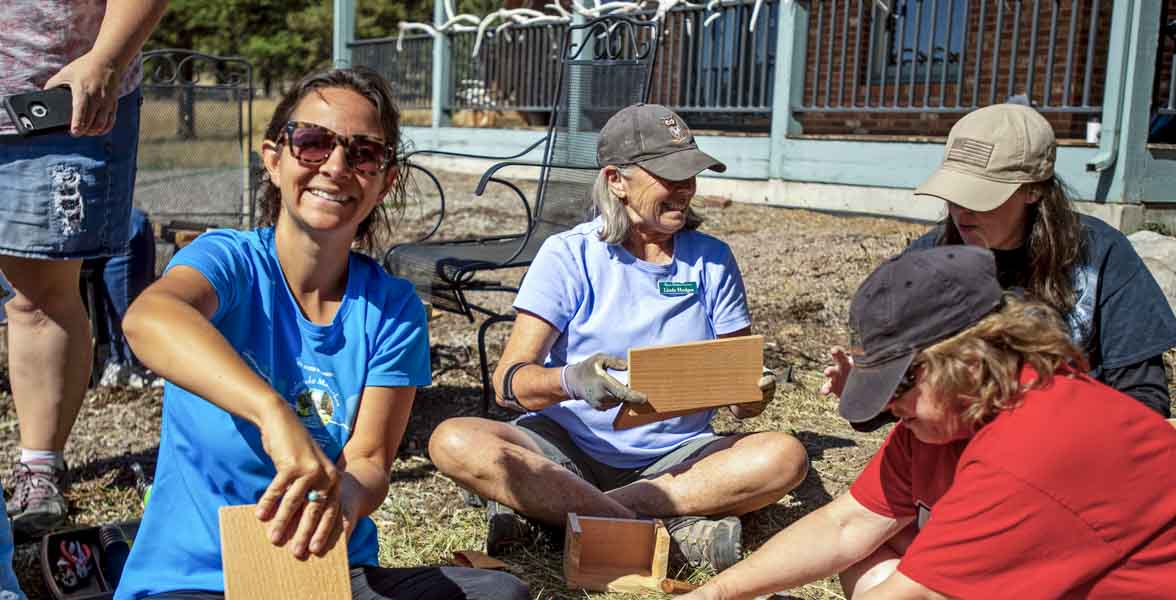
Jamie Weiss builds a birdhouse at a garden planting.
Jamie’s Farewell
With a growing flock of her own, Jamie Weiss—our beloved Habitat Hero coordinator—has made the difficult choice to step back from her career to focus on her family. Since joining Audubon Rockies in 2014, Jamie has greatly advanced bird-friendly gardening initiatives and made Habitat Hero one of our most popular programs. Jamie will be dearly missed. Before her last day, she wrote a goodbye for all of you.
Jamie Weiss at the 2019 garden planting at Kiowa Creek Ranch. Photo: Parker Seibold
Trivia answer: True! Female American Avocets are known to occasionally lay their eggs in the nests of fellow American Avocets, as well as the nests of other species, including Common Terns and Black-necked Stilts. This is called “brood parasitism.”
Donate
Help us protect birds and the places they need in Colorado, Wyoming, and Utah.
CONNECT WITH US
FacebookTwitterInstagramLinkedIn
Audubon Rockies
320 E. Vine Dr., Suite 312, Ft. Collins, CO 80524 USA
(970) 416 6931 | www.audubon.org/rockies

© 2025 National Audubon Society, Inc.

Unsubscribe