Catch up on the latest content from Audubon Rockies!
 ͏‌ ͏‌ ͏‌ ͏‌ ͏‌ ͏‌ ͏‌ ͏‌ ͏‌ ͏‌ ͏‌ ͏‌ ͏‌ ͏‌ ͏‌ ͏‌ ͏‌ ͏‌ ͏‌ ͏‌ ͏‌ ͏‌ ͏‌ ͏‌ ͏‌ ͏‌ ͏‌ ͏‌ ͏‌ ͏‌  ͏‌ ͏‌ ͏‌ ͏‌ ͏‌ ͏‌ ͏‌ ͏‌ ͏‌ ͏‌ ͏‌ ͏‌ ͏‌ ͏‌ ͏‌ ͏‌ ͏‌ ͏‌ ͏‌ ͏‌ ͏‌ ͏‌ ͏‌ ͏‌ ͏‌ ͏‌ ͏‌ ͏‌ ͏‌ ͏‌  ͏‌ ͏‌ ͏‌ ͏‌ ͏‌ ͏‌ ͏‌ ͏‌ ͏‌ ͏‌ ͏‌ ͏‌ ͏‌ ͏‌ ͏‌ ͏‌ ͏‌ ͏‌ ͏‌ ͏‌ ͏‌ ͏‌ ͏‌ ͏‌ ͏‌ ͏‌ ͏‌ ͏‌ ͏‌ ͏‌  ͏‌ ͏‌ ͏‌ ͏‌ ͏‌ ͏‌ ͏‌ ͏‌ ͏‌ ͏‌ ͏‌ ͏‌ ͏‌ ͏‌ ͏‌ ͏‌ ͏‌ ͏‌ ͏‌ ͏‌ ͏‌
Trivia time! The diet of the Swainson’s Hawk varies depending on whether or not the bird is raising young. When a Swainson’s Hawk is not raising young, what does it primarily feed on?
(Find the answer at the bottom of this email.)
Audubon Rockies
Newsletter | May 2024
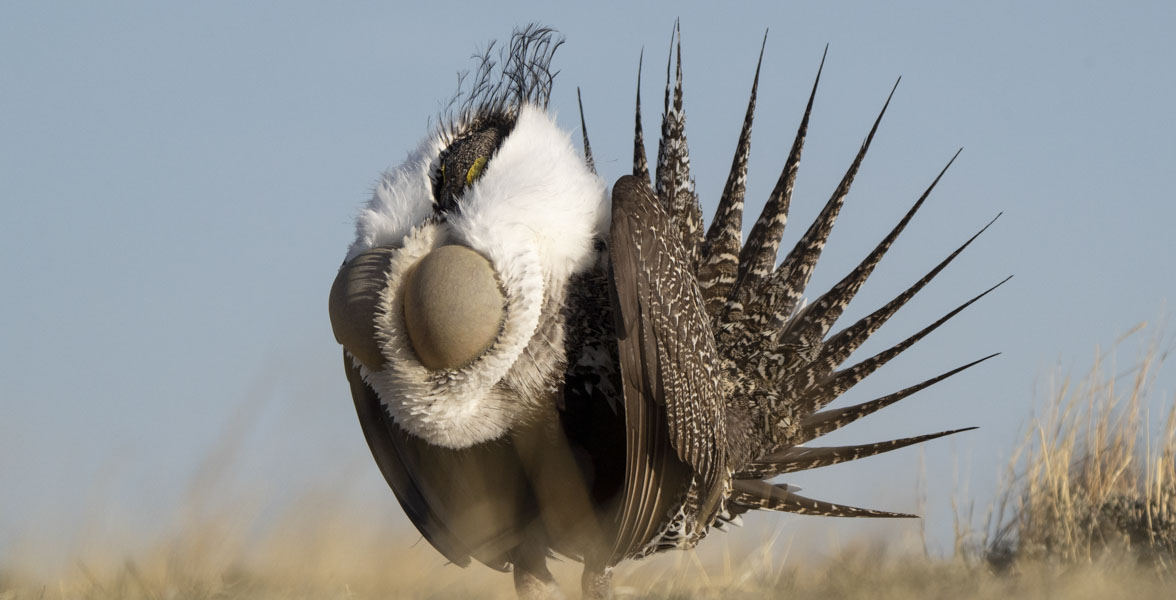
A male Greater Sage-Grouse performing a mating display.
Protect Habitat for Greater Sage-Grouse
Greater Sage-Grouse are in steep decline, but today we have a chance to do something about it. The Bureau of Land Management (BLM) is finalizing management plans for more than 67 million acres of public lands where most Greater Sage-Grouse live, and they’re requesting public input. Please urge the BLM to implement science-based management plans to protect the sagebrush ecosystem for Greater Sage-Grouse.  Act now
Greater Sage-Grouse. Photo: Evan Barrientos/Audubon Rockies
 Three adults birding together in a park.
Six Budget-friendly Ways to Protect Birds
It’s not just the cost of birdseed that’s going up! Eight in ten Americans say they are at least somewhat concerned about the cost of living. Another 73% of Americans worry about the quality of the environment. Combine these worries and things get overwhelming. But helping birds can help ease your mind, without breaking the bank. Here are six low- or no-cost ways you can help.
Photo: Luke Franke/Audubon
Three adults stand near a pollinator garden.
We’re Hiring!
Audubon Rockies is seeking a senior coordinator for our popular native plants for birds program, Habitat Hero! The Habitat Hero senior coordinator will help to increase community-based stewardship and urban conservation through community building and outreach within the Rockies region.
Evan Barrientos/Audubon Rockies
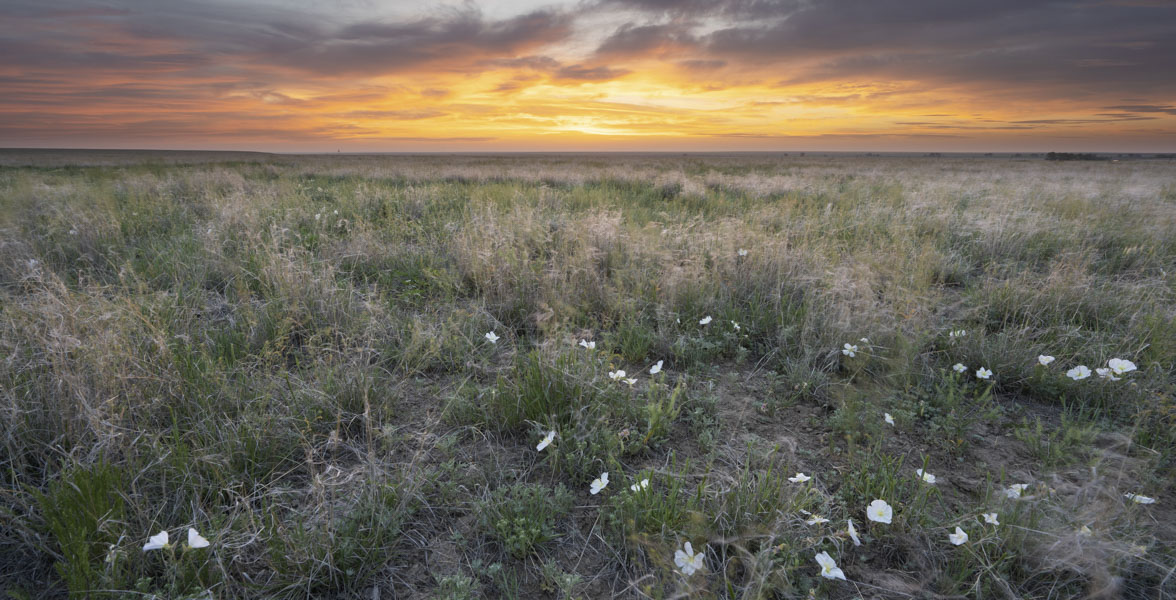
Evening primrose growing in shortgrass prairie.
Tour an Audubon Certified Ranch
The plains and canyons of Southeast Colorado offer unique historical, cultural, and natural wonders. Reefs to the Rockies has partnered with two Audubon-certified ranches to offer five-day excursions of these beautiful, remote landscapes. The tour is timed to maximize opportunities to observe a diversity of Southern Great Plains icons including the Burrowing Owl,  Mississippi Kite, orioles, grosbeaks, buntings, and more.
Photo: Evan Barrientos/Audubon Rockies
Gillmor Sanctuary at Great Salt Lake
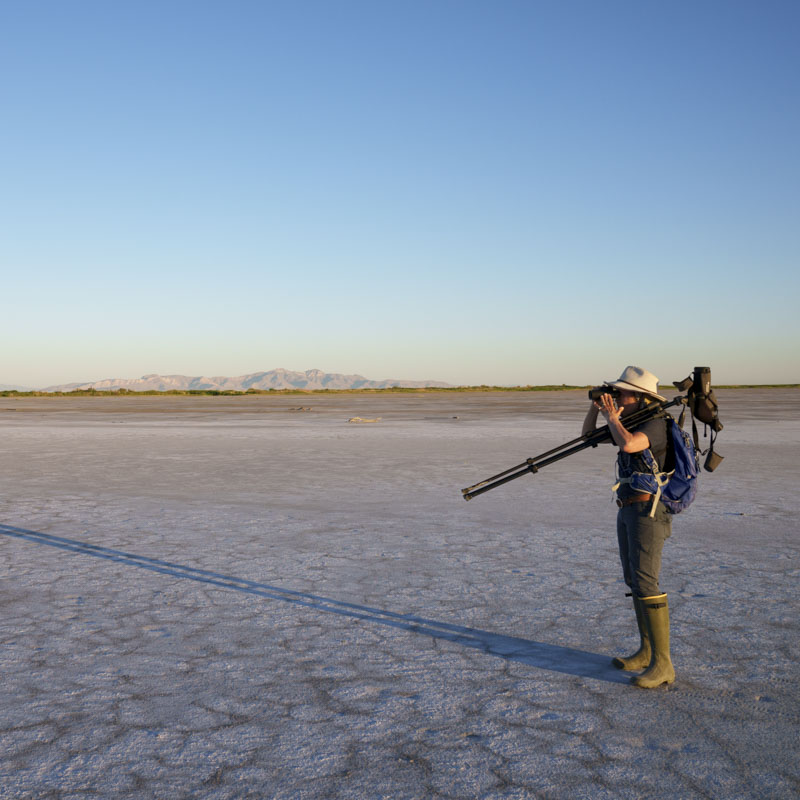
An adult looks across the landscape through binoculars.
What Biologists See from the Shores of the Drying Great Salt Lake - NPR
Gillmor Sanctuary Manager Heidi Hoven was featured by NPR! Take a tour of Gillmor and learn why birds, people, and the entire Great Salt Lake ecosystem depend on water in her interview. Listen here
Heidi Hoven surveys Snowy Plovers at Great Salt Lake. Photo: Evan Barrientos/Audubon Rockies
Salt Lake City skyline at night.
Measuring Light Pollution at Great Salt Lake
Gillmor Sanctuary is a shorebird haven located at the south end of Great Salt Lake. It’s being rapidly encroached upon by development. Utah Valley University student Lia Rabellino designed her senior capstone project to help monitor artificial light at night (ALAN) at the lake. Can long-term documentation of ALAN help protect the birds, habitat, and other critters?  Here’s what she learned.
Salt Lake City skyline. Photo: Thomas Hawk/Flickr (CC BY-NC 2.0 DEED)
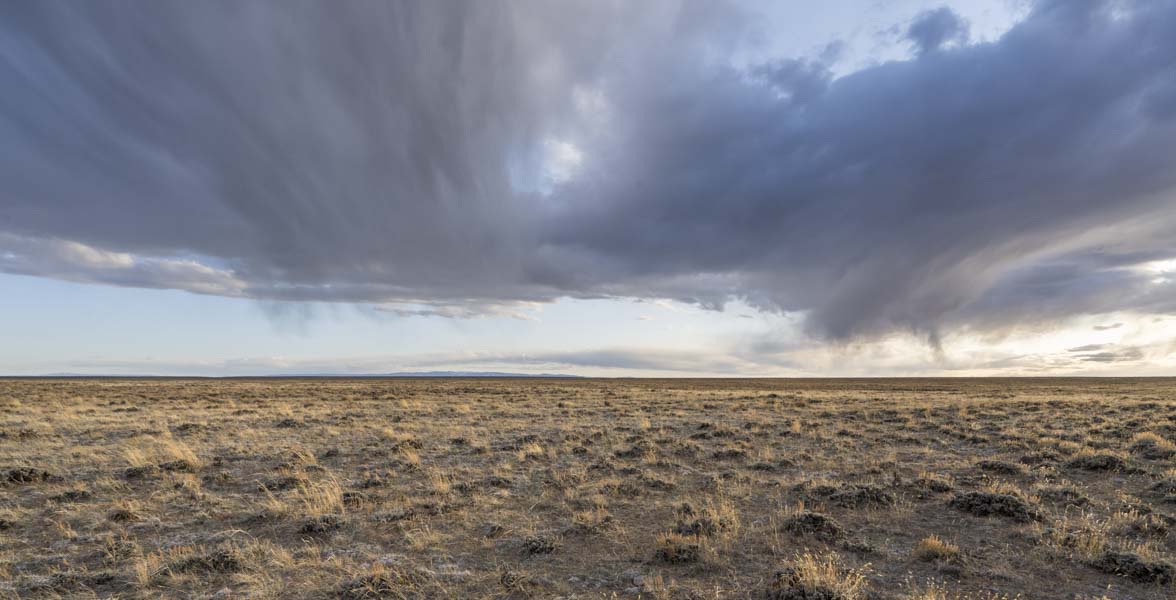
A sagebrush steppe landscape.
In Memory of Pat O’Toole
Pat O’Toole was a Wyoming rancher, a conservationist, and a dear friend of Audubon. Throughout his life, he was known to bring people together, not divide them. He was never partisan. He simply focused on doing what he thought was right for the land, wildlife, and the people of the West. Audubon celebrates his life, his accomplishments, and the ability for one person to leave such a lasting mark on the lands and people around him. 
Sagebrush steppe in Carbon County, Wyoming. Photo: Evan Barrientos/Audubon Rockies
Trivia answer: When it is not raising young, the Swainson’s Hawk’s diet consists primarily of large insects. While raising young, they eat primarily rodents, birds, and reptiles.
Donate
Help us protect birds and the places they need in Colorado, Wyoming, and Utah.
CONNECT WITH US
FacebookTwitterInstagramLinkedIn
Audubon Rockies
320 E. Vine Dr., Suite 312, Ft. Collins, CO 80524 USA
(970) 416 6931 | www.audubon.org/rockies

© 2025 National Audubon Society, Inc.

Unsubscribe