͏‌ ͏‌ ͏‌ ͏‌ ͏‌ ͏‌ ͏‌ ͏‌ ͏‌ ͏‌ ͏‌ ͏‌ ͏‌ ͏‌ ͏‌ ͏‌ ͏‌ ͏‌ ͏‌ ͏‌ ͏‌ ͏‌ ͏‌ ͏‌ ͏‌ ͏‌ ͏‌ ͏‌ ͏‌ ͏‌  ͏‌ ͏‌ ͏‌ ͏‌ ͏‌ ͏‌ ͏‌ ͏‌ ͏‌ ͏‌ ͏‌ ͏‌ ͏‌ ͏‌ ͏‌ ͏‌ ͏‌ ͏‌ ͏‌ ͏‌ ͏‌ ͏‌ ͏‌ ͏‌ ͏‌ ͏‌ ͏‌ ͏‌ ͏‌ ͏‌  ͏‌ ͏‌ ͏‌ ͏‌ ͏‌ ͏‌ ͏‌ ͏‌ ͏‌ ͏‌ ͏‌ ͏‌ ͏‌ ͏‌ ͏‌ ͏‌ ͏‌ ͏‌ ͏‌ ͏‌ ͏‌ ͏‌ ͏‌ ͏‌ ͏‌ ͏‌ ͏‌ ͏‌ ͏‌ ͏‌  ͏‌ ͏‌ ͏‌ ͏‌ ͏‌ ͏‌ ͏‌ ͏‌ ͏‌ ͏‌ ͏‌ ͏‌ ͏‌ ͏‌ ͏‌ ͏‌ ͏‌ ͏‌ ͏‌ ͏‌ ͏‌
Audubon Center at Debs Park
Center Updates Winter 2025
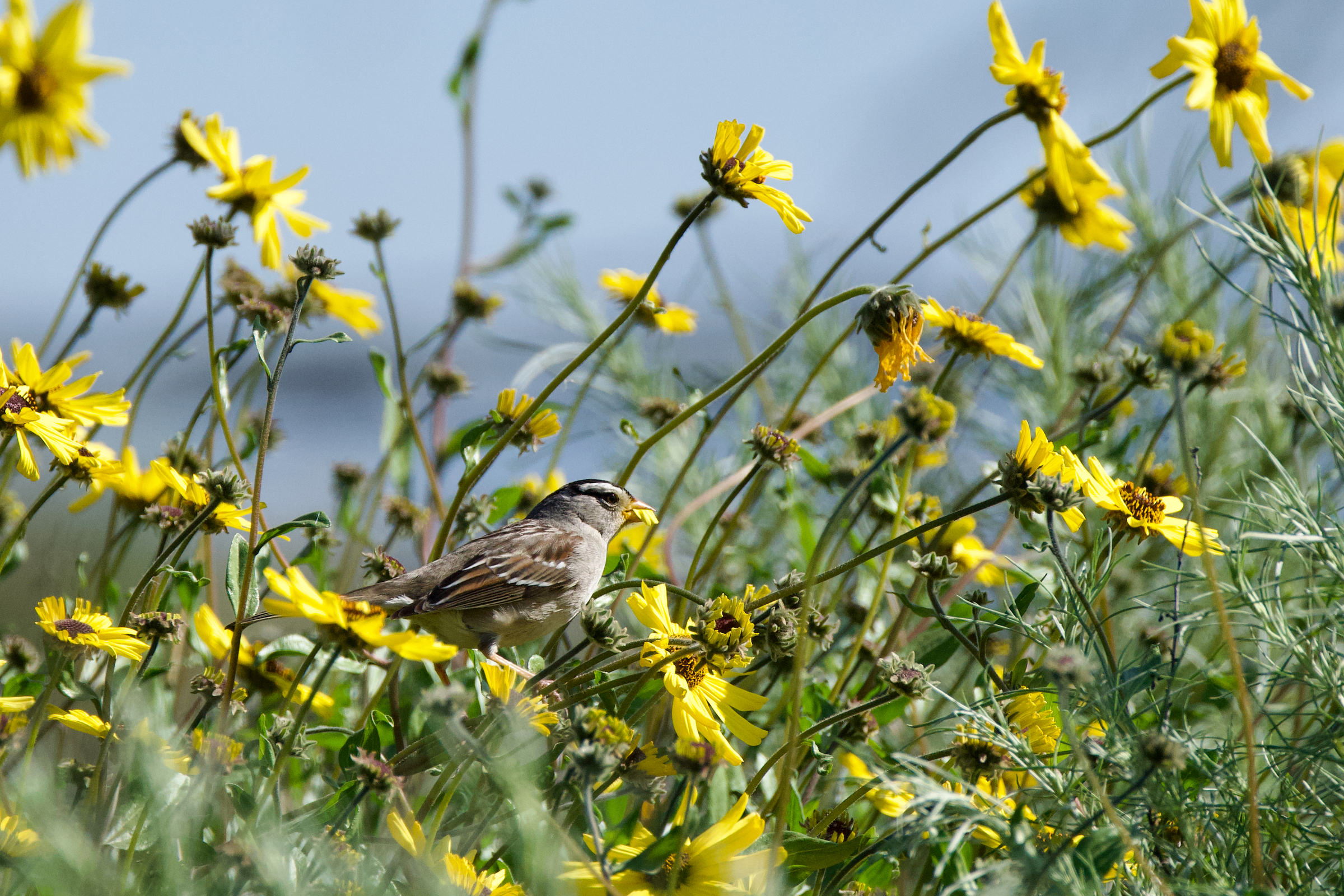
White-crowned Sparrow and Encelia californica (Bush Sunflower). Erika Lippoldt/Audubon Photography Awards.
What's Up at Debs
In the wake of the devastating wildfires, our community is grappling with profound loss and uncertainty. Our hearts are with everyone impacted—our neighbors, family, friends, and the wildlife that call the area home. To those who have lost loved ones, homes, and businesses, our hearts are with you. To the first responders who have worked tirelessly to protect us all, we extend our deepest gratitude. During this challenging time, we encourage everyone to come together, grieve, and find strength in our shared resilience as a community. As we continue to recover and rebuild, please consider contributing to efforts that support those affected.

The stories shared in this newsletter reflect those of our community that have restored spaces to flourishing, blooming habitats for plants, wildlife, and people. They serve as a reminder that our community has shaped and will continue to shape the world around us and their tales embolden us to see growth as everchanging and ever present.

As always, none of this would be possible without your support and should you find yourself at the Center, we hope you will visit our restoration sites to see firsthand how these new blooms are faring. 

About Us...
White-crowned Sparrow and Encelia californica (Bush Sunflower). Erika Lippoldt/Audubon Photography Awards.
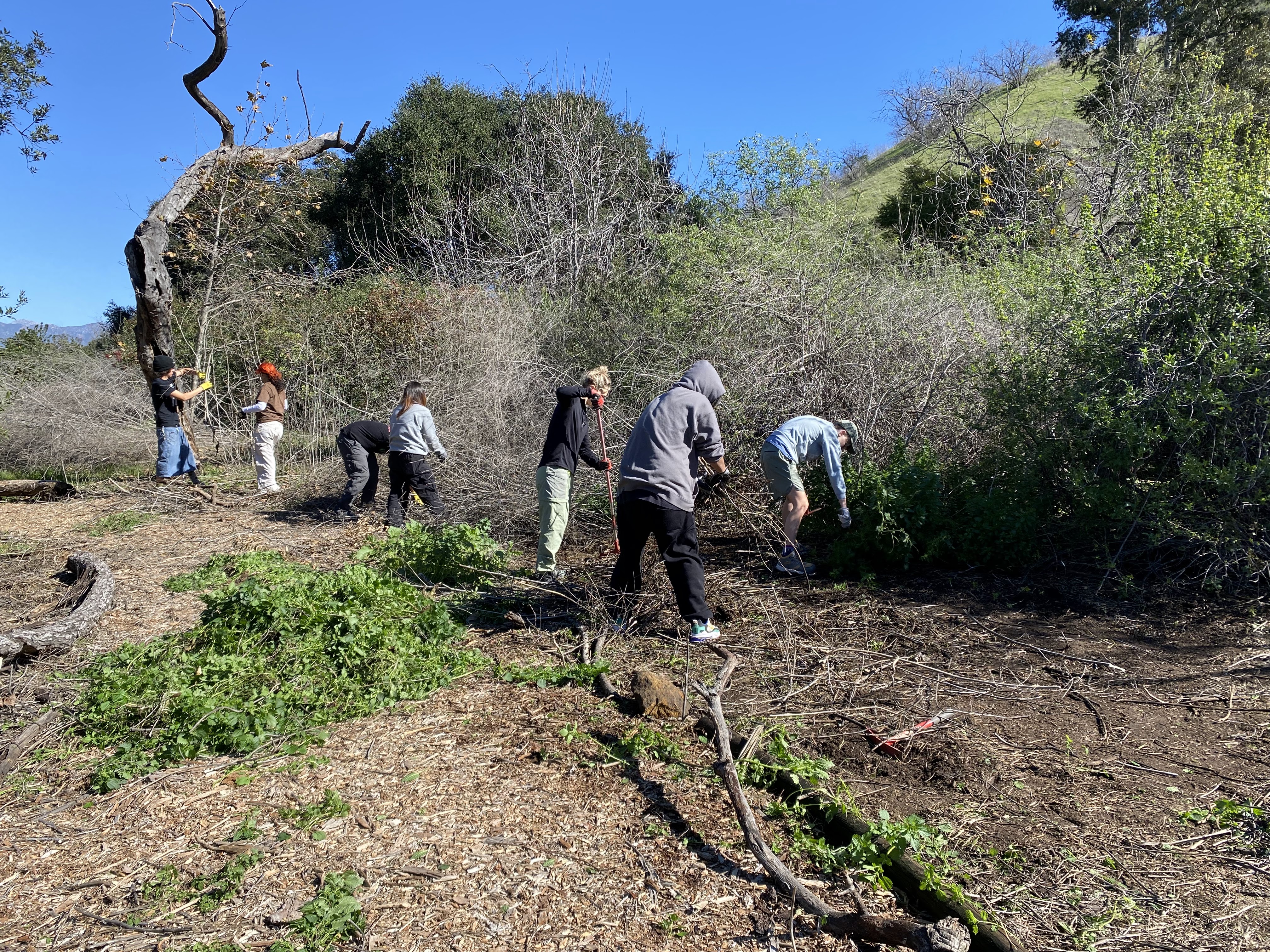
Audubon Youth Leaders clear out Hummingbird Trail.
After the Audubon Youth Leaders
In her elementary school days, Sophia had visited the Audubon Center numerous times through field trips that had her birding with small binoculars, exploring the Los Nogales nursery, and basking in the adventure and wonder on her short bus ride back to the school. So when she stumbled across the posting for the Audubon Youth Leaders on Instagram in her sophomore year, Sophia decided to give it a try, to see if she could rekindle that sense of wonder once more.

What awaited her was not only a wealth of knowledge about California native species, but also a chance to connect with her community as a youth leader, exploring and learning of climate change and sustainable practices, and advocating for important environmental legislation. She grew into her own and the opportunities of the Audubon Youth Leader program has led to her participation in EarthWatch and the Caltech Sustainable Energy Activities Lab.

Walk down memory lane with Sophia and see where she’s headed now:
How have our Audubon Youth Leaders grown after the program?
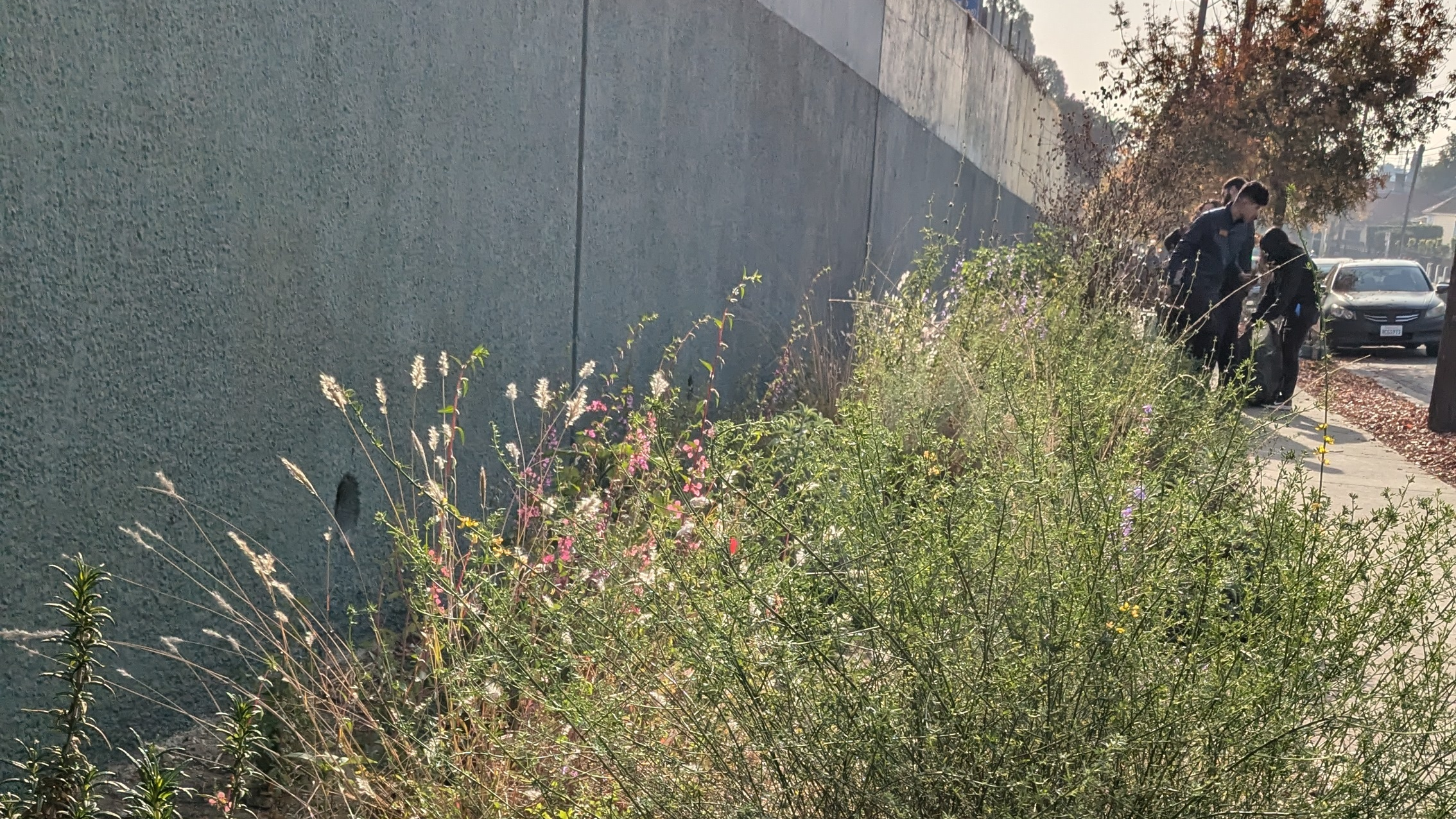
California native plants bloom along a cement wall.
The Story of the Lincoln Heights California Native Plant Corridor
Tucked away in Lincoln Heights on S. Ave. 20 between the Interstate 5 and the Alliance Susan and Eric Smidt Technology High School lies the Lincoln Heights California Native Plant Corridor (the Corridor).

Once covered in weeds and trash in 2023, this eight-foot by 365-foot strip of land has undergone a remarkable transformation and as of January 2025, it blooms with vibrant native plants. More than just a landscape restoration project, the Corridor symbolizes resilience, hope, and the power of creative greening initiatives.

Marie Massa, the fearless leader of the Corridor first reached out to the Audubon Center at Debs Park asking for plant donations. Since then, her dedication and passion have brought this project to life and the Audubon Center at Debs Park has had a chance to help plant and tend to the space. We also had the opportunity to ask Marie some questions about her project!

Read more in our short, special interview:
California native plants bloom along a cement wall.
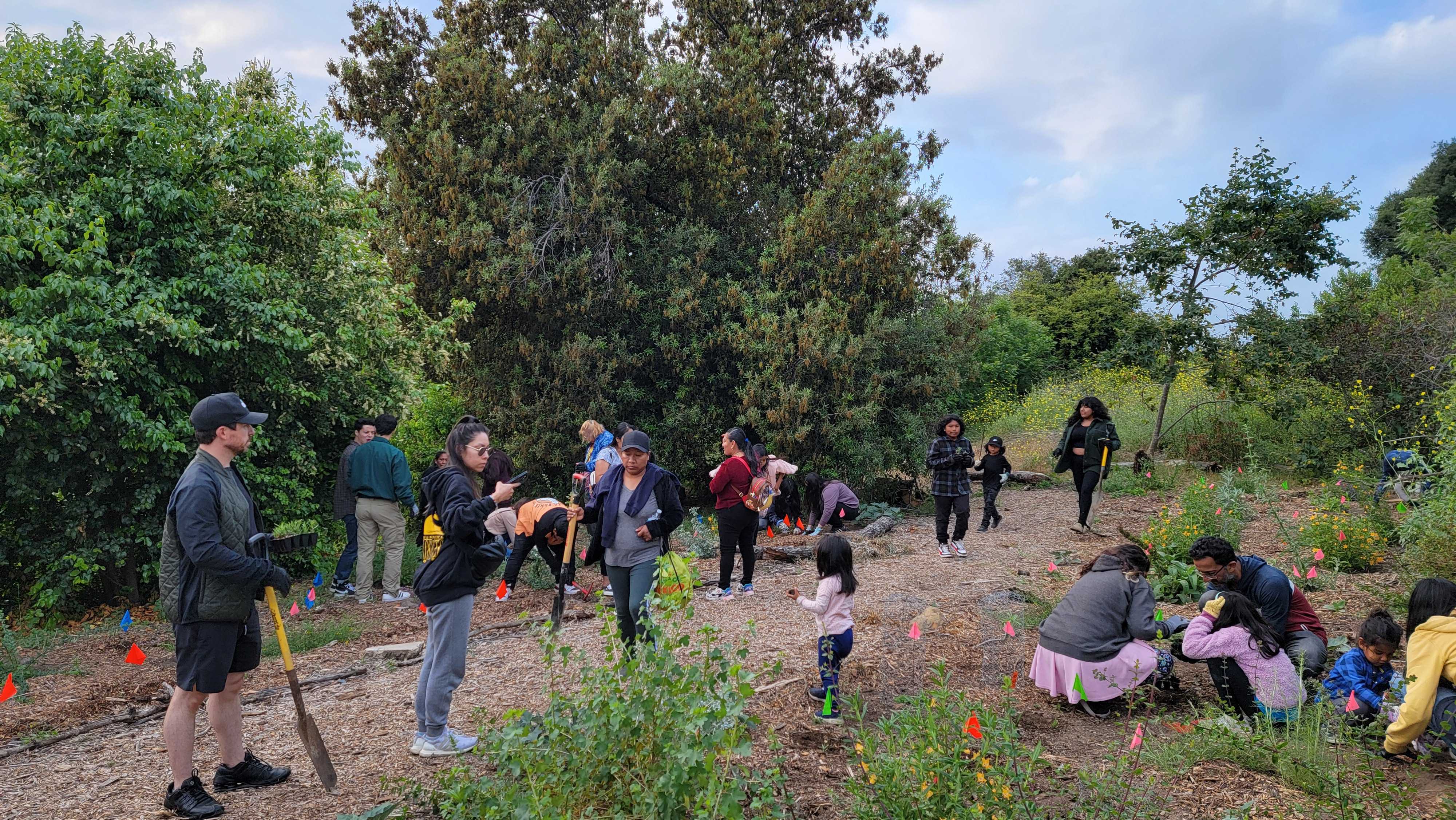
A group of people with gardening tools are gathered around a restoration site.
Upcoming Events
The end of our planting season means the beginning of all the habitat restoration! Come swing by and help us care for all these new plants!:

  • Feb 15th: Community Bird Walk for the Great Backyard Bird Count
  • Feb 15th: Living Earth: Music Beneath the Pepper Tree
  • Feb 17th: Community Habitat Restoration at the Audubon Center at Debs Park
  • Feb 22nd: Old Time String Jam Band
  • Mar 3rd: Community Habitat Restoration at the Audubon Center at Debs Park
  • Mar 7th: Test Plot: Habitat Restoration
  • Mar 15th: Community Bird Walk at Rio de Los Angeles State Park
  • Mar 15th: Living Earth: Music Beneath the Pepper Tree
  • Mar 17th: Community Habitat Restoration at the Audubon Center at Debs Park
  • Mar 22nd: Old Time String Jam Band
  • Mar 23rd: Community Habitat Restoration at the Audubon Center at Debs Park
  • Mar 31st: Community Habitat Restoration at the Audubon Center at Debs Park
Keep an eye on our social media and check out our events page for more information.
Community Habitat Restoration
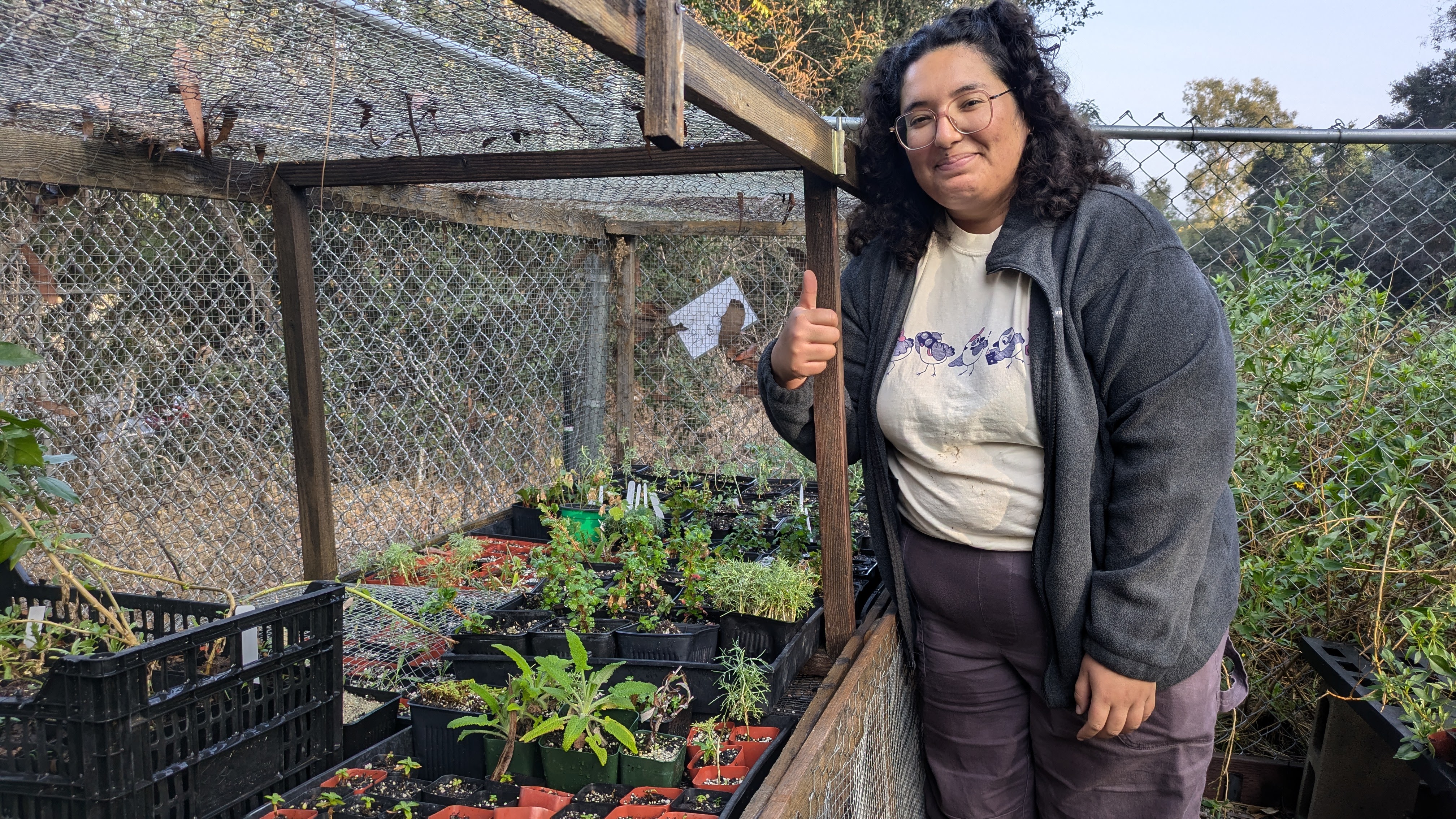
Amaris poses next to a cage down at the Los Nogales Nursery.
On the California Native Plant Nursery Workshop
When Amaris first volunteered at the Audubon Center at Debs Park in 2019, she had been amazed at the Los Nogales nursery, a small but mighty nursery that housed plants which would one day be used for habitat restoration. 

So when she returned as a Community Conservation Fellow, she had been eager to see how the nursery fared. Imagine her surprise when she discovered how different it was! The pandemic, differing resources, and the like had done a number and she was determined to bring it back to its former glory.

With the help of Antonio Sanchez, who had wanted to teach a nursery class at the Center, she co-created a free 8 week nursery course to revitalize the space and foster future nursery leads.

Read more about how the course went here: Read more...
Amaris poses next to a cage down at the Los Nogales Nursery.
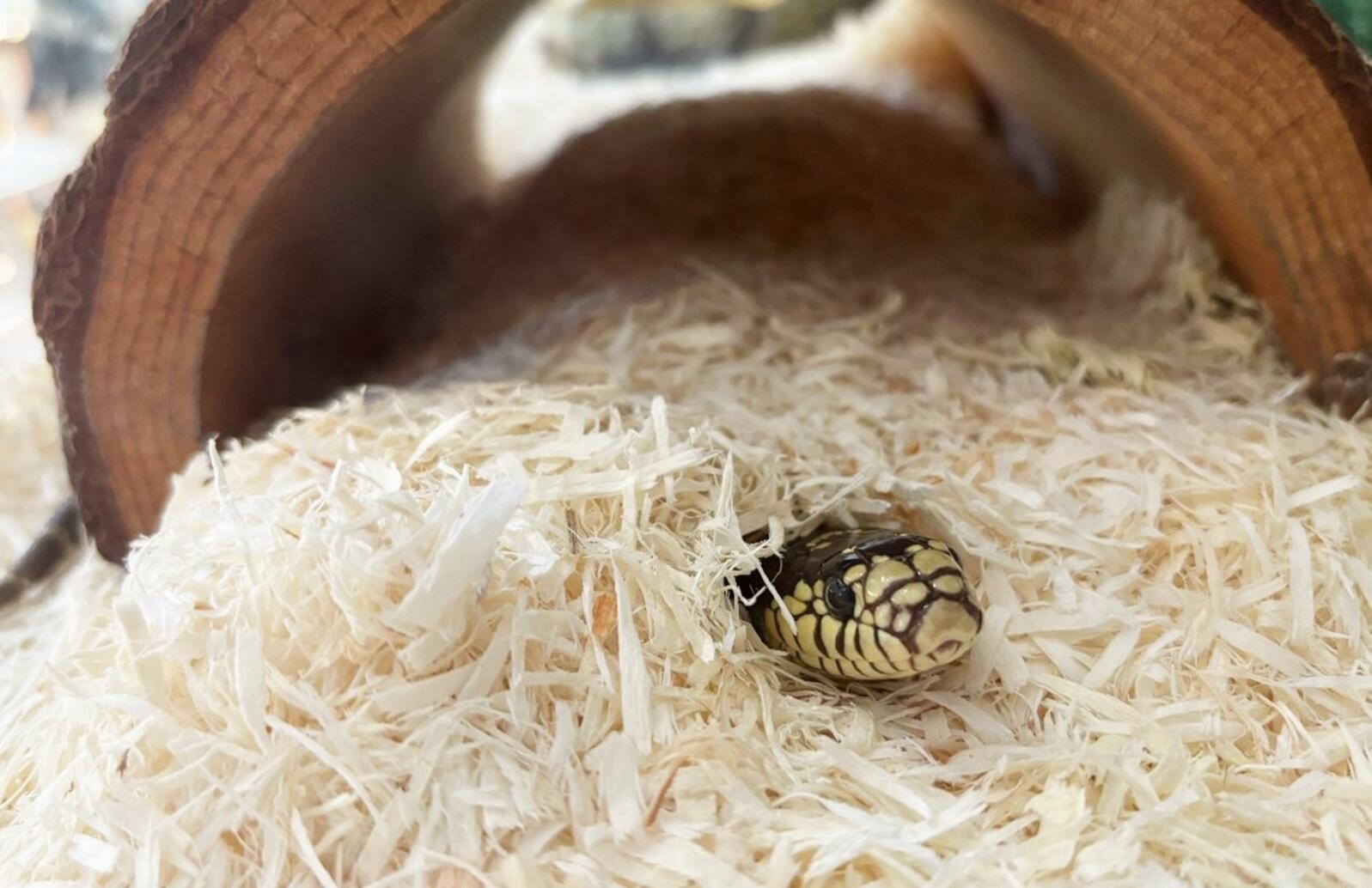
A California King Snake peeks his head out from under aspen substrate.
A Growing Buddy
On the lunisolar calendar, the new year happens in late January or early February, and this is celebrated as the Lunar New Year. Each Lunar New Year is associated with a different animal on a twelve-year cycle and it just so happens that this year is the Year of the Snake, which means this is the perfect opportunity to talk about these reptilian neighbors!.

Although gopher snakes are the most reported sightings, there is a different species of snake that is technically the most commonly seen snake in the park. This of course is Rex, a California Kingsnake and the Center’s resident Animal Ambassador.

Click the link to learn more about how he has grown and will continue to grow throughout the years!
 Read more...
A California King Snake peeks his head out from under aspen substrate.
None of this would be possible without your support. Please consider checking out our Amazon Wishlist to donate supplies or donating directly using the button below.
Support Our Work!
CONNECT WITH US
FacebookInstagramLinkedIn
Audubon Center at Debs Park
4700 North Griffin Ave., Los Angeles, CA 90031 USA
(323) 221-2255 | www.audubon.org/debs-park

© 2026 National Audubon Society, Inc.

Unsubscribe