Catch up on the latest content from Audubon Rockies! 

 ͏‌ ͏‌ ͏‌ ͏‌ ͏‌ ͏‌ ͏‌ ͏‌ ͏‌ ͏‌ ͏‌ ͏‌ ͏‌ ͏‌ ͏‌ ͏‌ ͏‌ ͏‌ ͏‌ ͏‌ ͏‌ ͏‌ ͏‌ ͏‌ ͏‌ ͏‌ ͏‌ ͏‌ ͏‌ ͏‌  ͏‌ ͏‌ ͏‌ ͏‌ ͏‌ ͏‌ ͏‌ ͏‌ ͏‌ ͏‌ ͏‌ ͏‌ ͏‌ ͏‌ ͏‌ ͏‌ ͏‌ ͏‌ ͏‌ ͏‌ ͏‌ ͏‌ ͏‌ ͏‌ ͏‌ ͏‌ ͏‌ ͏‌ ͏‌ ͏‌  ͏‌ ͏‌ ͏‌ ͏‌ ͏‌ ͏‌ ͏‌ ͏‌ ͏‌ ͏‌ ͏‌ ͏‌ ͏‌ ͏‌ ͏‌ ͏‌ ͏‌ ͏‌ ͏‌ ͏‌ ͏‌ ͏‌ ͏‌ ͏‌ ͏‌ ͏‌ ͏‌ ͏‌ ͏‌ ͏‌  ͏‌ ͏‌ ͏‌ ͏‌ ͏‌ ͏‌ ͏‌ ͏‌ ͏‌ ͏‌ ͏‌ ͏‌ ͏‌ ͏‌ ͏‌ ͏‌ ͏‌ ͏‌ ͏‌ ͏‌ ͏‌
Audubon Rockies
Newsletter | February 2025
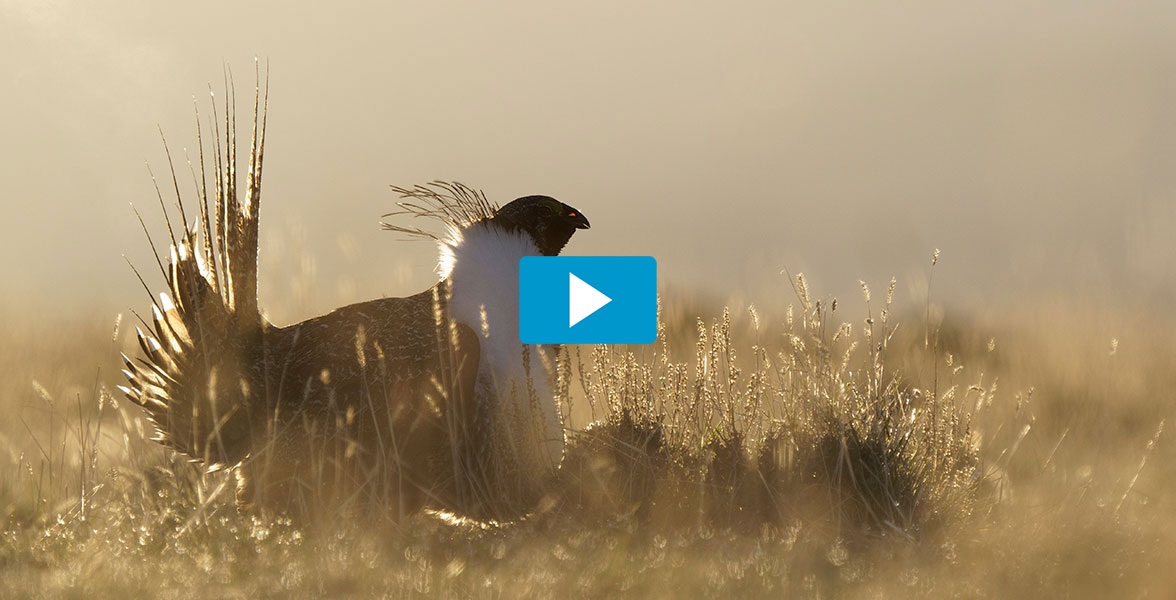
A male Greater Sage-Grouse displays while backlit. A play button is on the image.
Our 2024 Year-end Video
We are connected to lands and waters beyond our home state—just like the birds that live and migrate here. The local actions we take affect birds that travel across the Western Hemisphere. Similarly, the work that people do in other states and countries affects these birds too. With Audubon’s new Flight Plan, we’re connecting the dots between them. Our 2024 year-end video highlights some of the ways we began to enact that vision last year. As you watch, we hope you’ll find inspiration in our accomplishments together and motivation to continue to protect birds with us this year. Watch it here
Greater Sage-Grouse. Photo: Evan Barrientos/Audubon Rockies
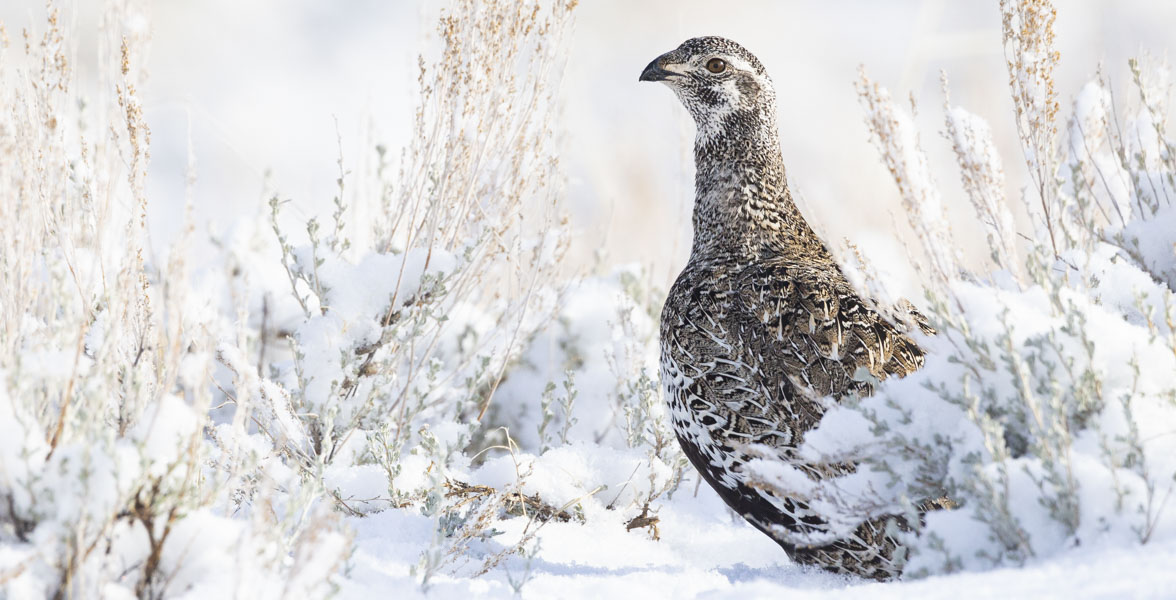
A female Greater Sage-Grouse sits amongst snow-covered sagebrush plants.
Ninth Circuit Upholds Decision in Favor of Greater Sage-grouse Habitat
Last month, the Ninth Circuit Court of Appeals upheld a 2020 district court decision that struck down the basis for oil and gas leasing on more than a million acres of public lands that serve as key habitat for the Greater Sage-Grouse. The court ruled that, under historic plans enacted in 2015, the Bureau of Land Management is mandated to prioritize leasing outside of essential sage-grouse habitat.
Greater Sage-Grouse. Photo: Alan Krakauer/Audubon Photography Awards
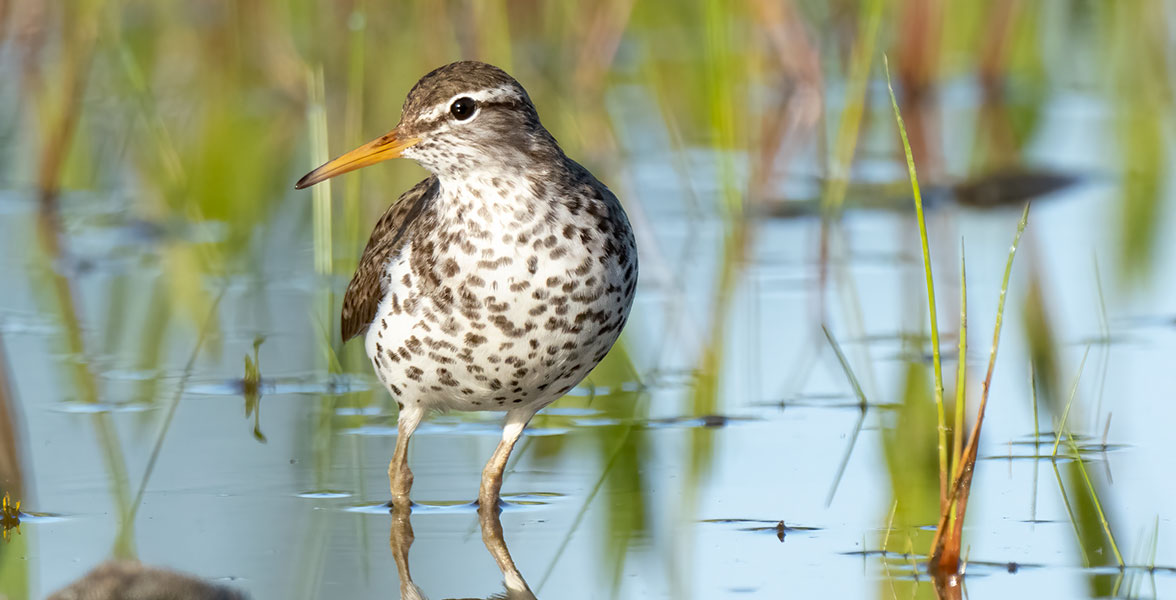
A Spotted Sandpiper stands in a shallow wetland.
Colorado’s Stream & Wetlands Protection Bill Becomes a Law
Colorado is establishing the rules for its new state waters dredge and fill permitting program, which was established by a bill that Governor Polis signed last year to regulate projects that impact streams and wetlands that lost Clean Water Act protections under a U.S. Supreme Court ruling. Although the bill set a strong framework for the regulatory program, the rulemaking process is where the details are worked out. Our new article overviews the process, where we are now, and how it will impact stream restoration.
Spotted Sandpiper. Photo: Mick Thompson
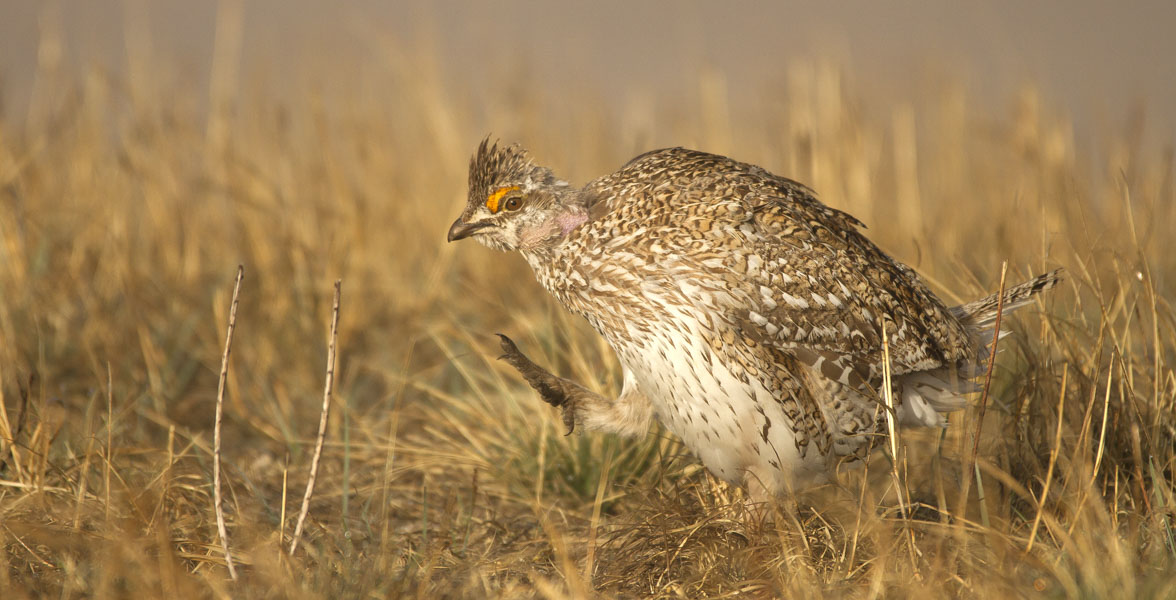
A male Sharp-tailed Grouse walks through short grass.
Take a Spring Safari on an Audubon Certified Bird-friendly Ranch!
Every spring, the sagebrush plains of Northwest Colorado burst to life, shaking off the chill of winter with an explosion of wildlife activity. Now, you can experience Colorado’s wild side during the magic of spring on 4M Ranch, an Audubon Certified bird-friendly ranch near Meeker, Colorado. Last year, we partnered with Reefs to Rockies to offer birding tours on Audubon Certified ranches, and we’re excited to continue them this year! During the five-day Spring Magic Safari in April, you can explore off-the-beaten-path locations, including two grouse leks!
Sharp-tailed Grouse. Richard Teller/Audubon Photography Awards
Community Naturalist Events
An illustration of a Mexican Spotted Owl featuring the Audubon Rockies logo and the words “After Dark.”
Audubon After Dark: Bird Trivia Hour
Let’s celebrate another successful year of the Great Backyard Bird Count (GBBC) with an evening of bird-themed trivia! Join our Community Naturalist team for Audubon After Dark: Bird Trivia Hour to test your knowledge of backyard birds and the GBBC. Questions will range from easy to difficult and players of all ages are encouraged to participate. Plus, winners will receive an exclusive Audubon After Dark prize! Learn more and register
Yeji Kim/Audubon
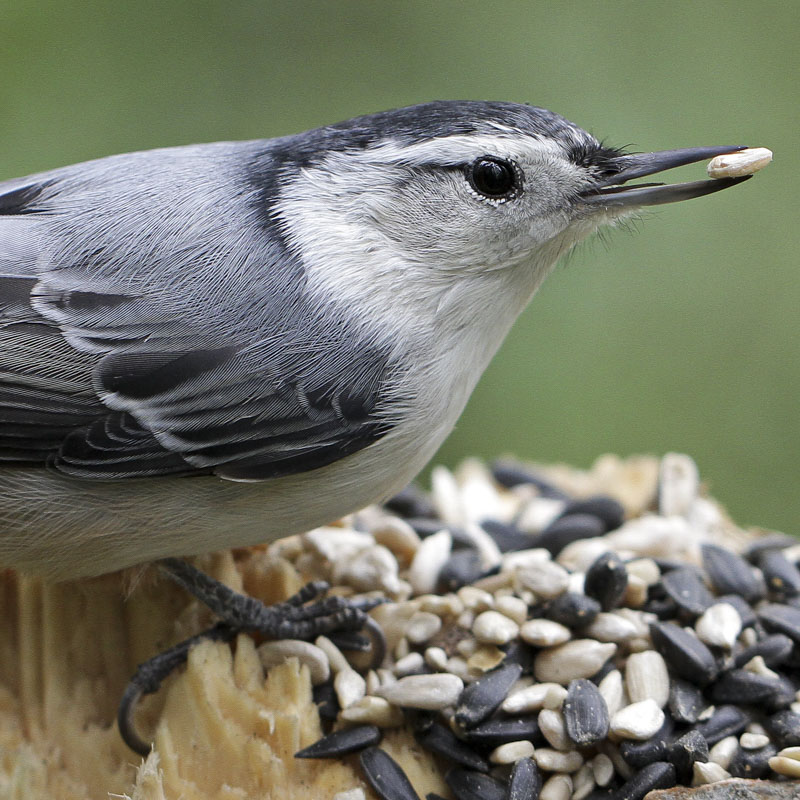
A White-breasted Nuthatch perches on a stump covered in birdseed. She holds a seed in her beak.
Naturalist Chat, A Bird Q&A
Have you ever pondered a question about birds and thought, “I wish I had an expert to help me figure this out”? Now you do! Join us for Naturalist Chat, A Bird Q&A to share the questions that have been chirping in the back of your mind. Zach Hutchinson—our fabulous community science coordinator and bird expert—will answer them during a live Zoom event! Sign up here
White-breasted Nuthatch. Photo: John Pizniur/Great Backyard Bird Count
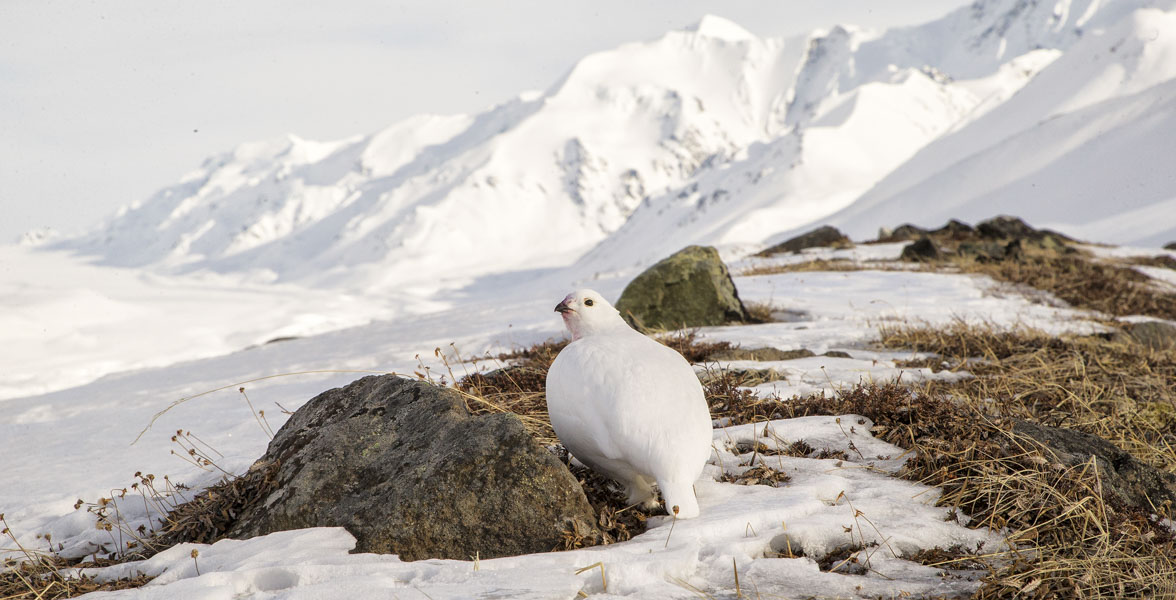
A White-tailed Ptarmigan stands before a vast snowy montane landscape.
How Much Longer Can These Cold-Loving Birds Last in the Rapidly Warming Rockies?
White-tailed Ptarmigan were built for a wintry world. Through winter they burrow into snowbanks, feeding on willow buds and twigs and gaining weight in a season when most animals struggle not to lose it. But so much insulation makes overheating easy: At just over 70 degrees Fahrenheit, ptarmigan have been seen cooling themselves in snowbanks. How much longer can these cold-loving birds last in the rapidly warming Rockies? In Colorado and New Mexico, scientists put in long days scouring the high country for signs of how well White-tailed Ptarmigan can adapt.
White-tailed Ptarmigan. Steve DuBois/Audubon Photography Awards
Get Involved
Don’t see an opportunity near you? Visit our Get Involved page to find ways you can help birds in your area!
CONNECT WITH US
FacebookTwitterInstagramLinkedIn
Audubon Rockies
320 E. Vine Dr., Suite 312, Ft. Collins, CO 80524 USA
(970) 416 6931 | www.audubon.org/rockies

© 2025 National Audubon Society, Inc.

Unsubscribe