Catch up on the latest content from Audubon Rockies!
 ͏‌ ͏‌ ͏‌ ͏‌ ͏‌ ͏‌ ͏‌ ͏‌ ͏‌ ͏‌ ͏‌ ͏‌ ͏‌ ͏‌ ͏‌ ͏‌ ͏‌ ͏‌ ͏‌ ͏‌ ͏‌ ͏‌ ͏‌ ͏‌ ͏‌ ͏‌ ͏‌ ͏‌ ͏‌ ͏‌  ͏‌ ͏‌ ͏‌ ͏‌ ͏‌ ͏‌ ͏‌ ͏‌ ͏‌ ͏‌ ͏‌ ͏‌ ͏‌ ͏‌ ͏‌ ͏‌ ͏‌ ͏‌ ͏‌ ͏‌ ͏‌ ͏‌ ͏‌ ͏‌ ͏‌ ͏‌ ͏‌ ͏‌ ͏‌ ͏‌  ͏‌ ͏‌ ͏‌ ͏‌ ͏‌ ͏‌ ͏‌ ͏‌ ͏‌ ͏‌ ͏‌ ͏‌ ͏‌ ͏‌ ͏‌ ͏‌ ͏‌ ͏‌ ͏‌ ͏‌ ͏‌ ͏‌ ͏‌ ͏‌ ͏‌ ͏‌ ͏‌ ͏‌ ͏‌ ͏‌  ͏‌ ͏‌ ͏‌ ͏‌ ͏‌ ͏‌ ͏‌ ͏‌ ͏‌ ͏‌ ͏‌ ͏‌ ͏‌ ͏‌ ͏‌ ͏‌ ͏‌ ͏‌ ͏‌ ͏‌ ͏‌
Audubon Rockies
Newsletter | July 2025
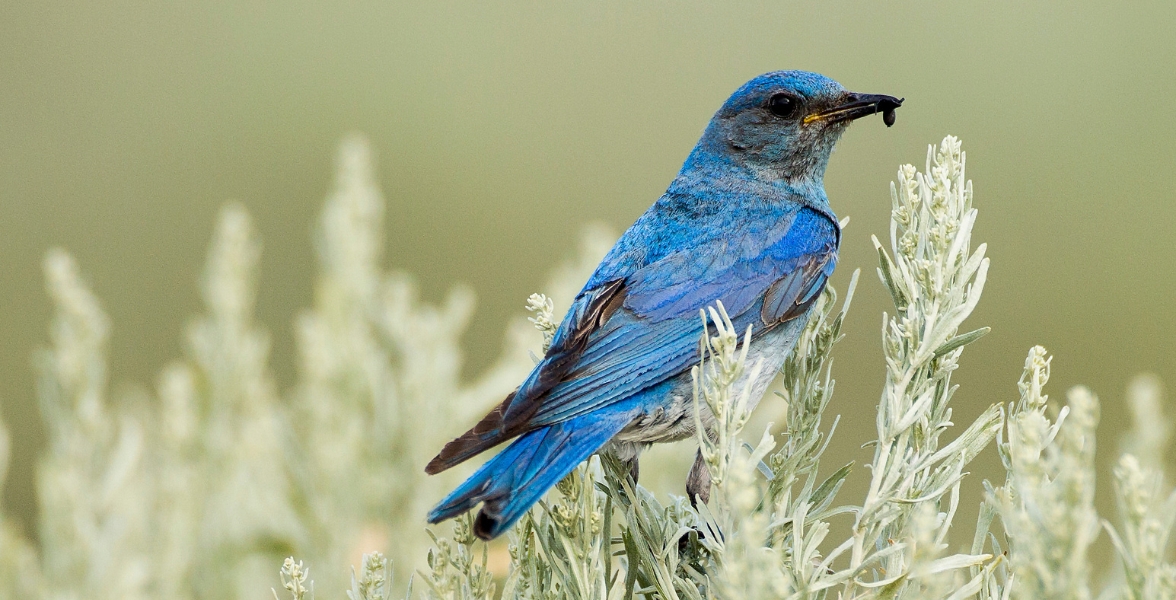
A Mountain Bluebird with an insect in its beak perched on a shrub.
Join 2025 Virtual BioBlitz, July 18–21!
How many species can you find in just four days? Find out during Audubon Rockies’ first-ever regionwide Virtual BioBlitz, a fun and easy way to connect with nature while contributing to community science across Colorado, Utah, and Wyoming. Join us from your own backyard or during your summer adventures and help document local plants and wildlife using the iNaturalist app. Your observations support conservation efforts and help protect the birds and ecosystems that make our region so unique!  Register here
Mountain Bluebird. Photo: Janine Schutt/Audubon Photography Awards
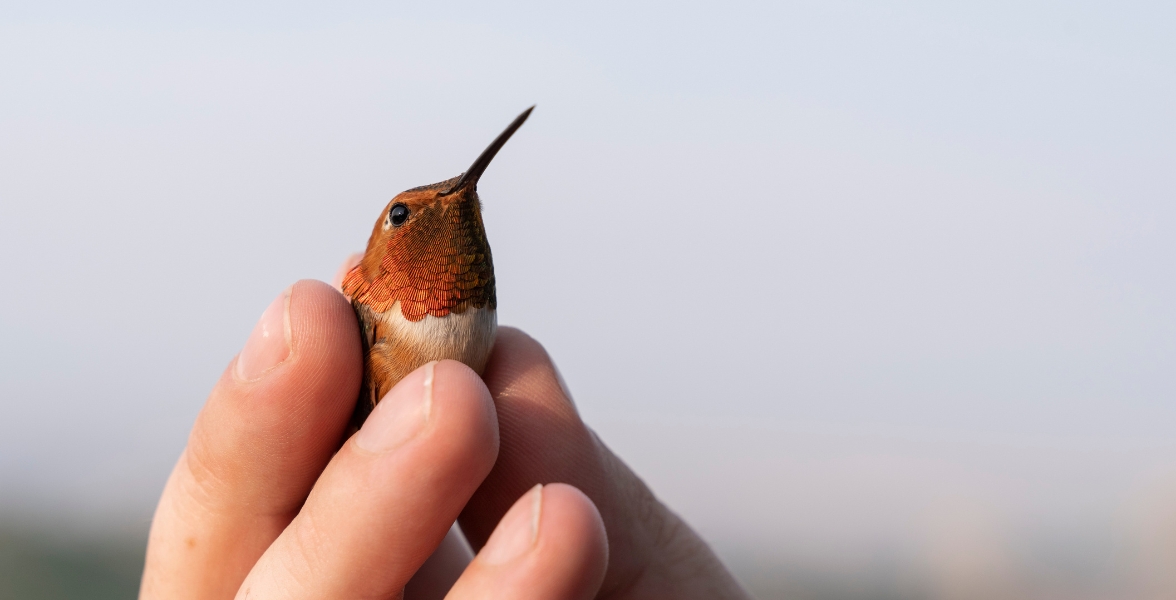
A hand gently holds a male Rufous Hummingbird.
Act Now: Speak Up for Bird Science
The Bird Banding Lab (BBL) and Breeding Bird Survey (BBS) are two essential science programs run by the U.S. Geological Survey that help us understand birds. These programs reveal how our environment is changing, which species are declining, and where conservation action is most needed. They've contributed to the understanding and protection of countless species like the Peregrine Falcon and Rufous Hummingbird. But funding for the BBL and BBS, as well as much of USGS's biological research, is at risk of being cut. Urge Congress to keep these programs fully funded and invest in the science that protects birds and people.
A Rufous Hummingbird is released at an Audubon Rockies bird banding station.
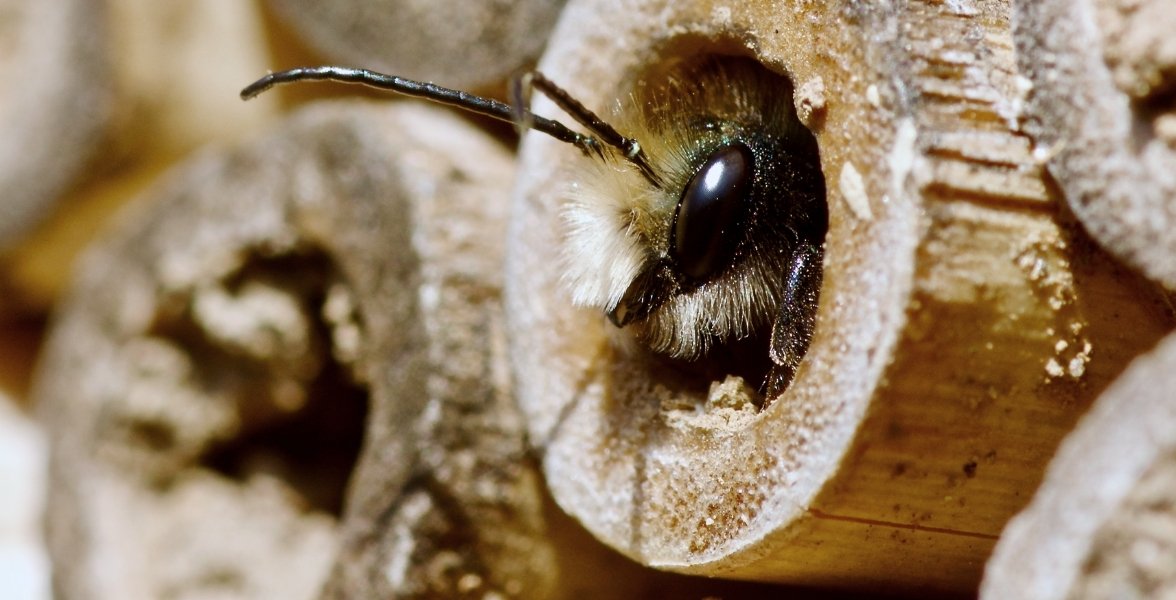
A mason bee emerges from a pollinator house.
Give Pollinators a Place to Call Home
Want to support native bees in your own backyard? Check out our easy guide to building a pollinator house! This simple DIY project is a great way to help vital pollinators thrive—and add a little charm to your outdoor space.
Mason Bee. Photo: Colin Durfee/Flickr (CC BY 2.0)
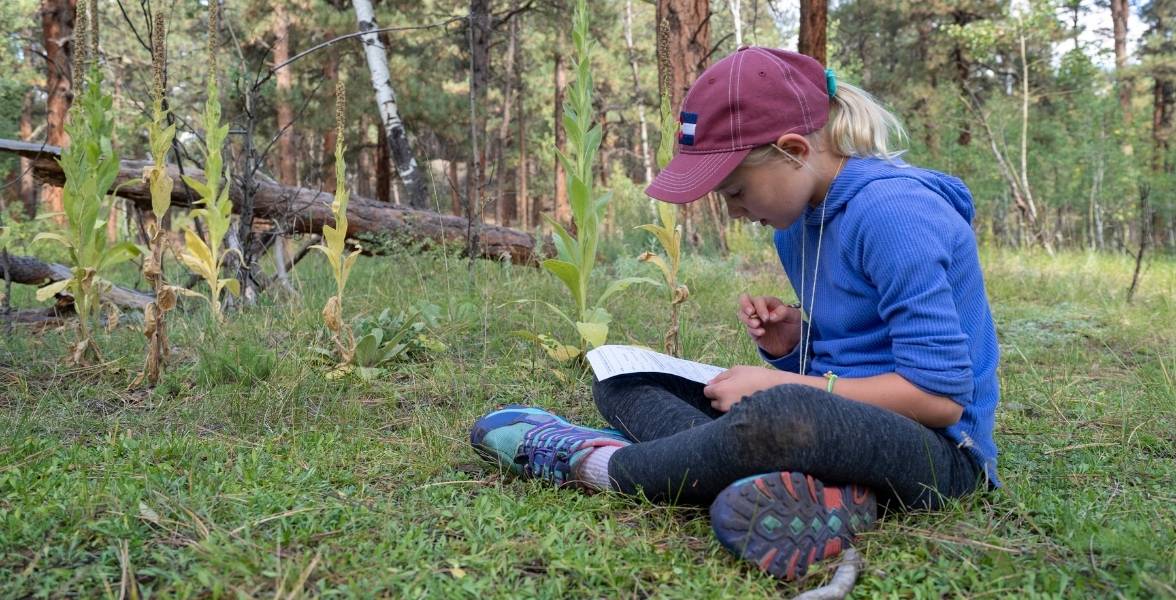
A fourth-grade student participates in an outdoor activity.
Looking for Kid-friendly Summer Activities?
Keep curious minds engaged this summer with our downloadable children’s books and nature-based activities like flashcards and bingo! 
Photo: Evan Barrientos/Audubon
Fireflies flying among lupine flowers and grass at night.
Love Fireflies? Here’s How You Can Help Scientists Save Them.
Fireflies face many of the same threats as birds. Habitat loss—especially of wetlands—is a major issue. Pesticides kill insect prey that both fireflies and birds rely on—and likely fireflies themselves. Light pollution, which can disorient nocturnal migratory birds and contribute to fatal building collisions, also disrupts fireflies’ ability to communicate. There’s little information on how these threats are affecting firefly populations, so researchers are turning to community science to fill the gaps. The Western Firefly Project, based out of Utah, has likened their discoveries to finding gold.
Fireflies. Photo: Mike Lewinski/Flickr (CC BY 2.0)
Get Involved
Don’t see an opportunity near you? Visit our Get Involved page to find ways you can help birds in your area.
CONNECT WITH US
FacebookTwitterInstagramLinkedIn
Audubon Rockies
320 E. Vine Dr., Suite 312, Ft. Collins, CO 80524 USA
(970) 416 6931 | www.audubon.org/rockies

© 2025 National Audubon Society, Inc.

Unsubscribe