͏‌ ͏‌ ͏‌ ͏‌ ͏‌ ͏‌ ͏‌ ͏‌ ͏‌ ͏‌ ͏‌ ͏‌ ͏‌ ͏‌ ͏‌ ͏‌ ͏‌ ͏‌ ͏‌ ͏‌ ͏‌ ͏‌ ͏‌ ͏‌ ͏‌ ͏‌ ͏‌ ͏‌ ͏‌ ͏‌  ͏‌ ͏‌ ͏‌ ͏‌ ͏‌ ͏‌ ͏‌ ͏‌ ͏‌ ͏‌ ͏‌ ͏‌ ͏‌ ͏‌ ͏‌ ͏‌ ͏‌ ͏‌ ͏‌ ͏‌ ͏‌ ͏‌ ͏‌ ͏‌ ͏‌ ͏‌ ͏‌ ͏‌ ͏‌ ͏‌  ͏‌ ͏‌ ͏‌ ͏‌ ͏‌ ͏‌ ͏‌ ͏‌ ͏‌ ͏‌ ͏‌ ͏‌ ͏‌ ͏‌ ͏‌ ͏‌ ͏‌ ͏‌ ͏‌ ͏‌ ͏‌ ͏‌ ͏‌ ͏‌ ͏‌ ͏‌ ͏‌ ͏‌ ͏‌ ͏‌  ͏‌ ͏‌ ͏‌ ͏‌ ͏‌ ͏‌ ͏‌ ͏‌ ͏‌ ͏‌ ͏‌ ͏‌ ͏‌ ͏‌ ͏‌ ͏‌ ͏‌ ͏‌ ͏‌ ͏‌ ͏‌
Audubon Florida
Florida Legislative Session and Policy Update
We’re writing to you the day after Audubon Florida’s Assembly in Howey-in-the-Hills! We’ve had an amazing few days filled with field trips, learning sessions, and strategic planning for the future. But we haven’t taken our eyes off the second interim committee week before the Florida Legislative Session starts in 2026, and we bring you a brief update.

- The Florida Fish and Wildlife Conservation Commission updated the Agriculture and Natural Resources Budget Subcommittee on invasive species and manatee programs.

- The Acquisition and Restoration Council voted on a land swap that will improve conservation outcomes in Withlacoochee State Forest, increasing the size of the forest by 74 acres.

- Major Lake Okeechobee wildlife, water, and restoration updates were heard in the Senate Environment and Natural Resources Committee.  
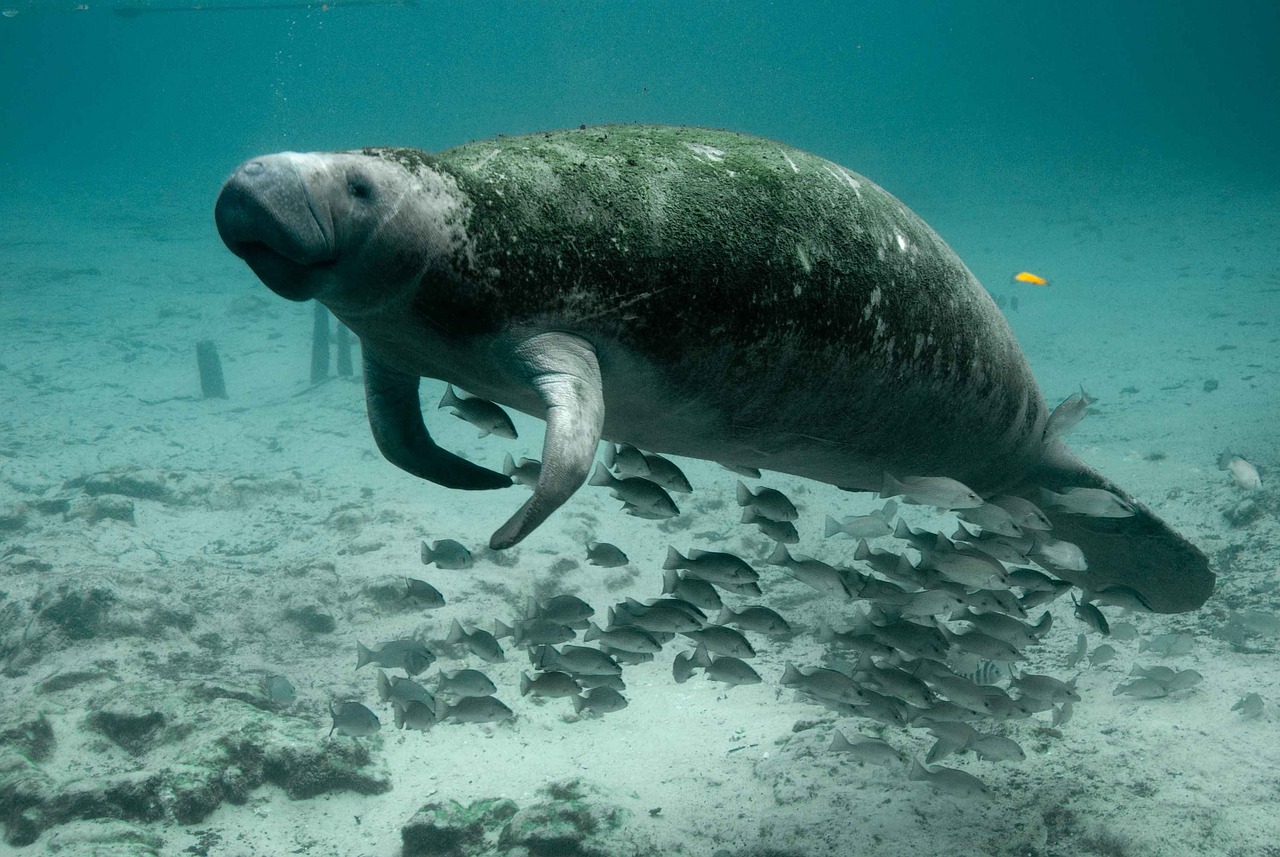
manatee under water
Invasive Species and Manatees are Focal Points of Agriculture and Natural Resources Budget Subcommittee
This week, the members of the Agriculture and Natural Resources Budget Subcommittee (Chair, Rep. John Snyder (R-Stuart)) heard presentations from the Florida Fish and Wildlife Conservation Commission’s (FWC) Chief Conservation Officer George Warthen.

Invasive Species

Warthen briefed the Subcommittee on Florida’s ongoing work to prevent, detect, and control invasive fish and wildlife species. He outlined the ecological and economic costs of invasives and highlighted tools like risk screening, regulatory enforcement, and public outreach programs — including Exotic Pet Amnesty and Lionfish Awareness initiatives. Recent efforts have intensified python and lionfish removal, with more than 25,000 pythons and 2 million lionfish removed to date. Warthen noted that funding for invasive species management continues to grow, supporting innovation, early detection, and collaboration among partners to protect native ecosystems and reduce future risks.

Manatees


Warthen also presented an update on Florida’s manatee population, a species that remains protected under state and federal law. He described ongoing research, rescue, and monitoring efforts that inform management decisions and habitat protections.

With an estimated 8,000 – 11,000 manatees statewide, threats such as loss of warm-water refuges and vessel strikes remain key concerns. The FWC is advancing the Warm-Water Habitat Action Plan to expand natural springs and reduce reliance on power plant outflows, alongside enforcement of Manatee Protection Zones and county-level protection plans to ensure sustainable recovery of this iconic species.
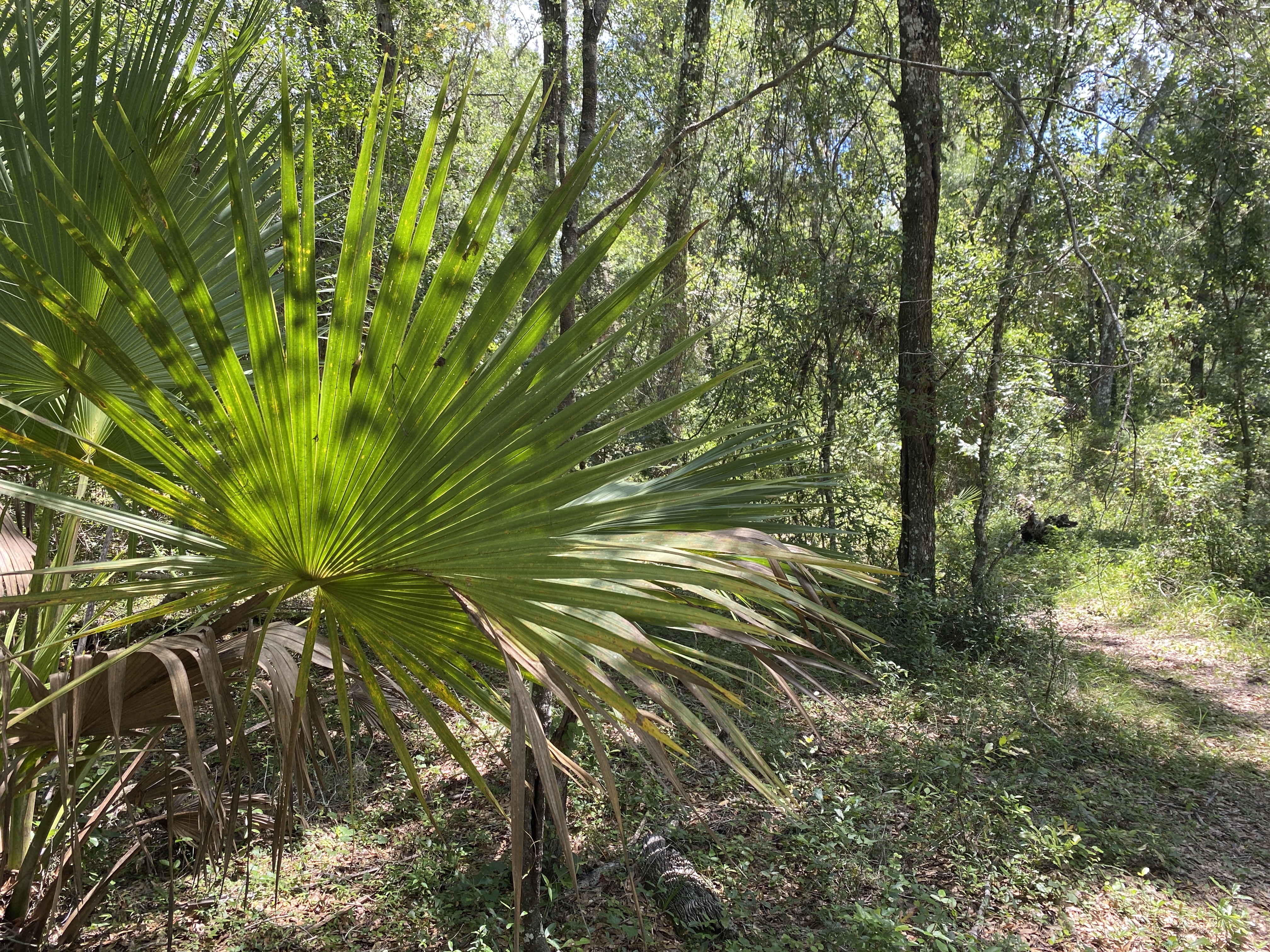
a close up of a saw palmetto in a forest
ARC Approves Beneficial Land Exchange Expanding Withlacoochee State Forest
Meeting on October 10 in Tallahassee, the Acquisition and Restoration Council (ARC) voted unanimously to recommend the exchange of 60 acres of previously impacted property on State Road 44 (an old landfill site) for a minimum of 134 acres of healthy forest. The land exchange request was initiated by Citrus County, which currently leases the disturbed 60-acre site and wants to redevelop it for county government facilities.

The 134 acres acquired by the county from a private corporation will increase the size of the state forest by 74 acres. This is a prime example of a beneficial land exchange that will improve conservation.

What Happens Now?

The two parcels will now be appraised. Should there be a disparity in the value of the parcels (which is possible due to the 60-acre site having road frontage on SR 44), Citrus County may be required to acquire additional acreage to make up the difference.
 
Withlacoochee State Forest. Photo: Erika Zambello/Audubon Florida
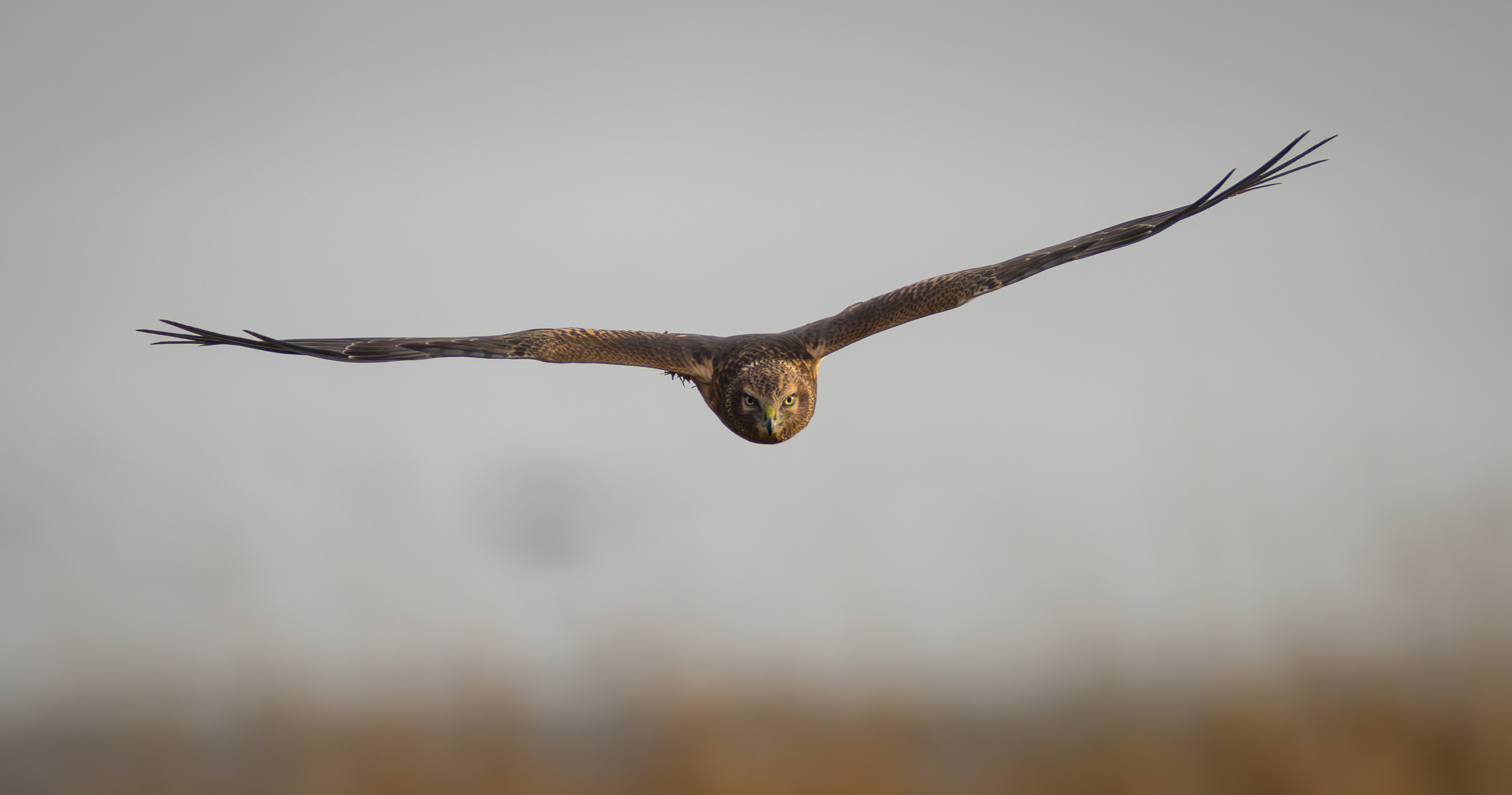
northern harrier in flight
Lake Okeechobee Wildlife and Water Updates in the Senate Environment and Natural Resources Committee
The Senate Environment and Natural Resources Committee (Chair, Sen. Rodriguez (R-Doral)) was provided an in-depth overview of the Lake Okeechobee watershed and ongoing restoration efforts in the Greater Everglades Ecosystem. 

Wildlife

FWC’s George Warthen shared updates on the Lake Okeechobee Marsh Management Plan completed in 2022, designed to balance the lake’s many uses while protecting its vital marsh habitat.

Lake O supports abundant wildlife, from largemouth bass — more than 550 weighing more than eight pounds registered — to waterfowl, alligators, and wading birds. Using chemical, mechanical, biological, and physical management tools, FWC works closely with the Lake O Interagency Task Force to address invasive plants and other issues. Recent low water levels (under LOSOM, see below) allowed 20,000 acres of prescribed fire and the restoration of up to 28,000 acres of submerged aquatic vegetation. FWC has also replanted more than 100,000 native marsh plants and established vegetation on spoil islands to enhance recovery.

Restoration

South Florida Water Management District’s Executive Director Drew Bartlett shared how the District’s work to restore Lake Okeechobee and the Everglades has become one of Florida’s biggest environmental success stories in motion.

What began 75 years ago as a flood control agency has grown into a leader in ecosystem restoration, with strong support from the Governor, Legislature, and federal partners. Bartlett said that together, Florida and the U.S. Army Corps of Engineers have invested about $9 billion in restoration so far — roughly an even split, with the state slightly ahead. Major Lake Okeechobee and Everglades projects are expected to be largely complete by 2029, while northern storage efforts will take another decade or so to finish.

Colonel Bowman of the Army Corps of Engineers shared that the new Lake Okeechobee management plan (LOSOM) improves conditions for estuaries, water supply, and Everglades flow but can stress the lake. To help it recover, they lowered water levels last spring, leading to 28,000 acres of new submerged plant growth.

Recent lake drawdowns have boosted plant growth and improved habitat. Bartlett explained that new projects like the EAA Reservoir — designed to hold 240,000 acre-feet of water — along with others like the Lake Okeechobee Component A Reservoir (LOCAR) and aquifer storage and recovery wells, will give water managers better control of lake levels and move more clean water south to the Everglades.

Water quality is steadily improving, though harmful algal blooms remain a challenge. Bartlett said that while there isn’t a single fix, ongoing monitoring and management are allowing the system respond better each year. With more than 60,000 acres of Stormwater Treatment Areas now meeting strict clean water standards and the Everglades receiving more natural water flow than in decades, Bartlett emphasized that Florida’s restoration progress is real — and accelerating.
 
Northern Harrier. Photo: Jose Mendoza/Audubon Photography Awards
Sign up for our climate newsletter.
CONNECT WITH US
FacebookTwitterInstagramLinkedInYouTube
Audubon Florida
4500 Biscayne Blvd., Suite 350, Miami, FL 33137
(305) 371-6399 | www.audubon.org/florida

© 2025 National Audubon Society, Inc.

Unsubscribe