͏‌ ͏‌ ͏‌ ͏‌ ͏‌ ͏‌ ͏‌ ͏‌ ͏‌ ͏‌ ͏‌ ͏‌ ͏‌ ͏‌ ͏‌ ͏‌ ͏‌ ͏‌ ͏‌ ͏‌ ͏‌ ͏‌ ͏‌ ͏‌ ͏‌ ͏‌ ͏‌ ͏‌ ͏‌ ͏‌  ͏‌ ͏‌ ͏‌ ͏‌ ͏‌ ͏‌ ͏‌ ͏‌ ͏‌ ͏‌ ͏‌ ͏‌ ͏‌ ͏‌ ͏‌ ͏‌ ͏‌ ͏‌ ͏‌ ͏‌ ͏‌ ͏‌ ͏‌ ͏‌ ͏‌ ͏‌ ͏‌ ͏‌ ͏‌ ͏‌  ͏‌ ͏‌ ͏‌ ͏‌ ͏‌ ͏‌ ͏‌ ͏‌ ͏‌ ͏‌ ͏‌ ͏‌ ͏‌ ͏‌ ͏‌ ͏‌ ͏‌ ͏‌ ͏‌ ͏‌ ͏‌ ͏‌ ͏‌ ͏‌ ͏‌ ͏‌ ͏‌ ͏‌ ͏‌ ͏‌  ͏‌ ͏‌ ͏‌ ͏‌ ͏‌ ͏‌ ͏‌ ͏‌ ͏‌ ͏‌ ͏‌ ͏‌ ͏‌ ͏‌ ͏‌ ͏‌ ͏‌ ͏‌ ͏‌ ͏‌ ͏‌
Audubon Florida
Florida Legislative Session and Policy Update
We've now reached the end of the third legislative committee week here in Tallahassee—this Advocate brings you updates from committee meetings as well as an exciting grassroots conservation win!
Committee presentations included overviews of Florida’s conservation lands, recent dramatic progress on Everglades Restoration, Florida Department of Environmental Protection (DEP) water quality efforts, state investments in resiliency, and the future of nuclear energy. And outside the Capitol, we're celebrating Sarasota Audubon Society's big win against a major proposed development that would have harmed birds and their habitat, and exacerbated flooding.
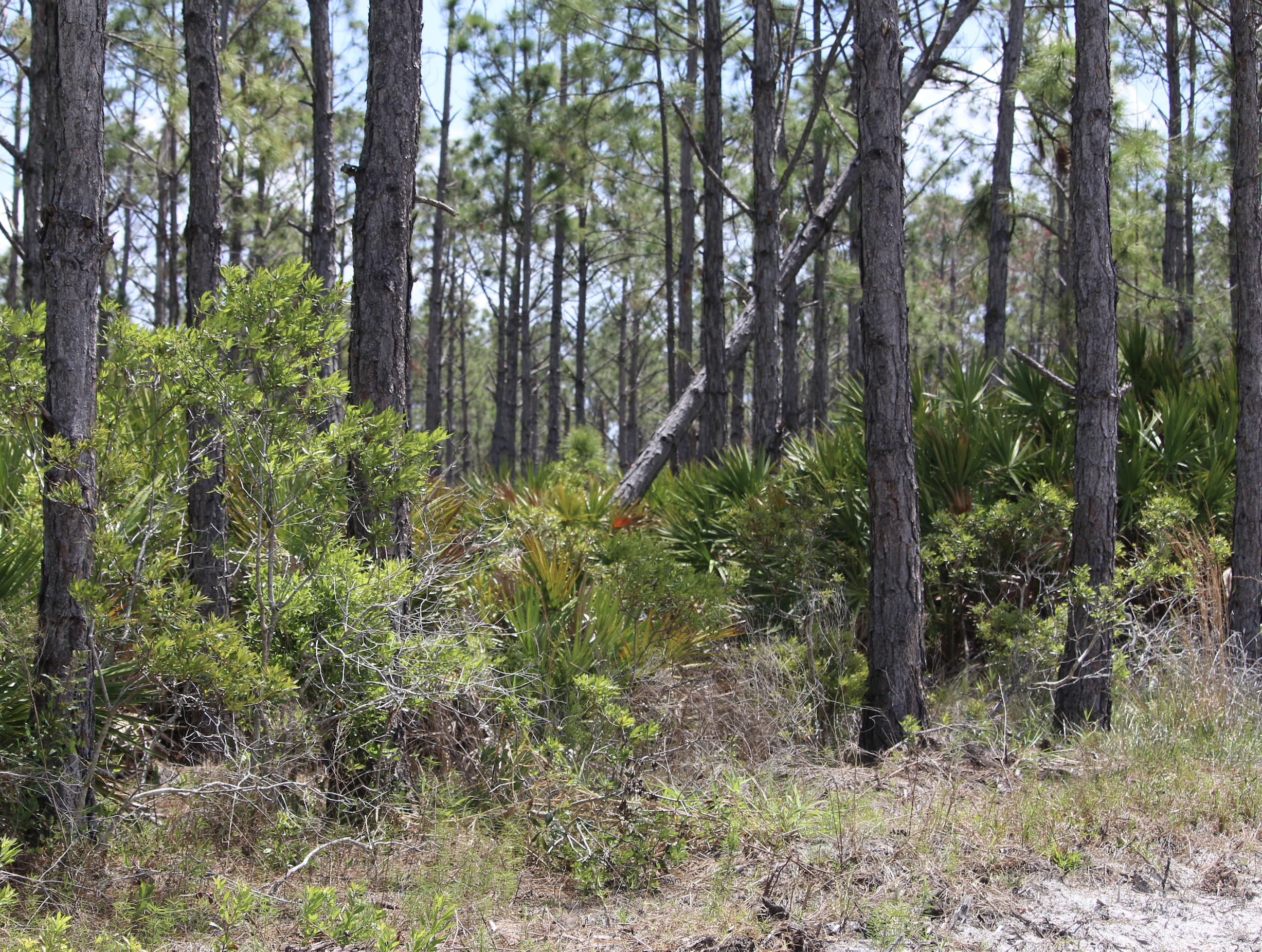
a forest
Florida's Conservation Lands
After a year of public outcry about proposed state conservation land swaps and surplussing, the Senate Environment and Natural Resources Committee meeting this week included a presentation from Bryan Bradner, Deputy Secretary for Land and Recreation from DEP on state land conservation efforts.
The presentation highlighted Florida Forever’s role as the state’s premier conservation and recreation land acquisition program, which is essential for protecting water quality and quantity, enhancing resilience, conserving wildlife habitat, and supporting outdoor recreation. Since 2019, Florida has invested over $1.4 billion through the program, acquiring more than 374,000 acres, with 91% located within the Florida Wildlife Corridor. Funding levels have declined precipitously in recent years from a high of $950 million in FY 2023-24 to $18 million appropriated for FY 2025-26.

Bradner noted the program’s track record in implementing Florida’s high standards for release of conservation lands—over the past decade, only 2.3 acres of conservation land have been sold and 65 acres exchanged for 139 acres of new conservation land, with no easements released.

On behalf of constituents who successfully defeated surplus and swap proposals last yearcommittee members raised several pointed questions regarding the criteria and opportunities for public involvement in decisions to surplus conservation lands. Members also sought clarification on recent procedural inconsistencies and on whether DEP and the water management districts are applying standards uniformly.

Deputy Secretary Bradner acknowledged the concerns but was unable to provide details on processes within his purview as Deputy Secretary for Lands and Recreation.
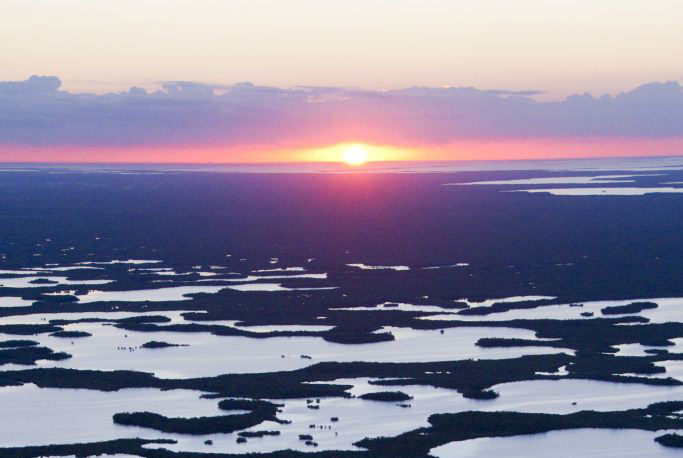
aerial view of the Everlgades at sunset.
Everglades Restoration Progress Updates, Including New EAA Milestone
The House Agriculture and Natural Resources Budget Subcommittee (Chair, John Snyder (R-Stuart)) heard presentations on Everglades restoration and the protection of water resources by Drew Bartlett, executive director of the South Florida Water Management District, and Deputy Secretary Adam Blalock of the Department of Environmental Protection.

Show Me the Money

Executive Director Bartlett showcased the rapid progress on Everglades restoration. Since 2019, Florida has invested a record $4 billion—more than the previous 12 years combined—advancing more than 75 projects that improve Everglades water quality and restore natural flows. Today, 98% of the Everglades Protection Area meets phosphorus standards, one of the best results on record.

Project Progress


Highlights include the completed C-44 and C-43 reservoirs, ongoing work to raise the Tamiami Trail, and the EAA Reservoir, which will store 240,000 acre-feet and deliver up to 470 billion gallons of clean water annually. A new agreement with the U.S. Army Corps of Engineers accelerates the EAA timeline by five years and allows Florida to build the inflow pump station—which celebrated a groundbreaking this week—while underscoring the state’s commitment to restoring America’s Everglades.
Photo: Mac Stone
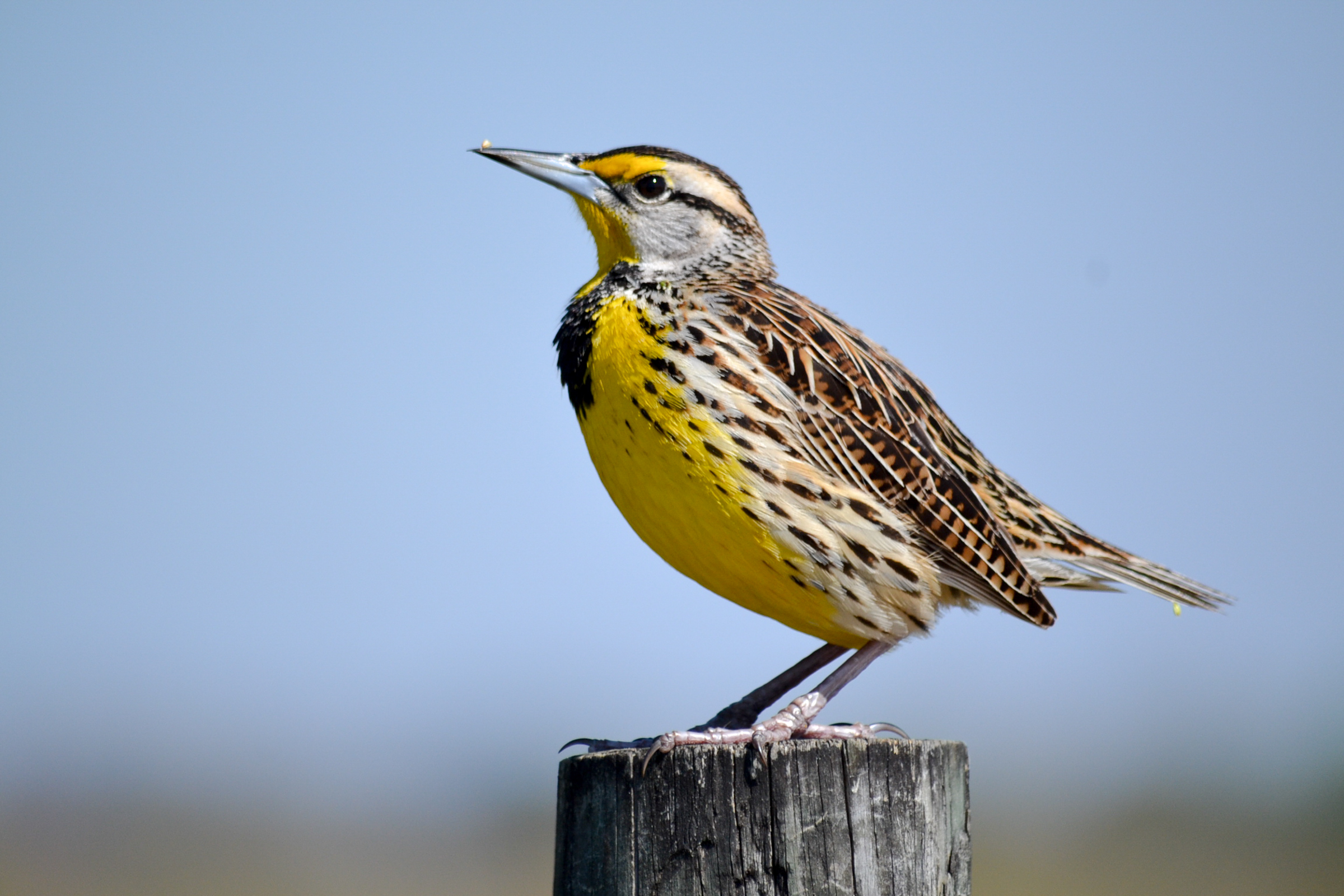
close up of an Eastern Meadowlark standing on a wooden post
BMAPs Tackle Water Quality
In his presentation to the House Natural Resources and Disasters Subcommittee (Chair, Rep. Adam Botana, (R-Bonita Springs)), Deputy Secretary Adam Blalock’s presentation focused on DEP’s ongoing efforts to restore and protect water quality through Basin Management Action Plans (BMAPs), alternative restoration plans, and implementation of recent legislation such as HB 1379 and HB 1557.

Show Me the Money, Part II

He highlighted major investments—over $1.39 billion across 300 community projects—to reduce nutrient pollution, upgrade wastewater systems, convert septic to sewer, and support agricultural best practices. Blalock noted the growing transparency of the Water Quality Improvement Grant Program, including the launch of a public project dashboard tracking nitrogen and phosphorus reductions statewide.


Committee Discussed Suggestions for Improvement

- Streamlining grant administration could help accelerate project completion and nutrient reduction benefits.

- Improved coordination with local governments and agricultural partners would strengthen implementation of nonpoint source measures.

- Most importantly, integrating performance tracking—linking investment levels to measurable water quality improvements—would help evaluate program effectiveness and guide future funding priorities.

 
Eastern Meadowlark. Photo: Sheri Douse/GBBC
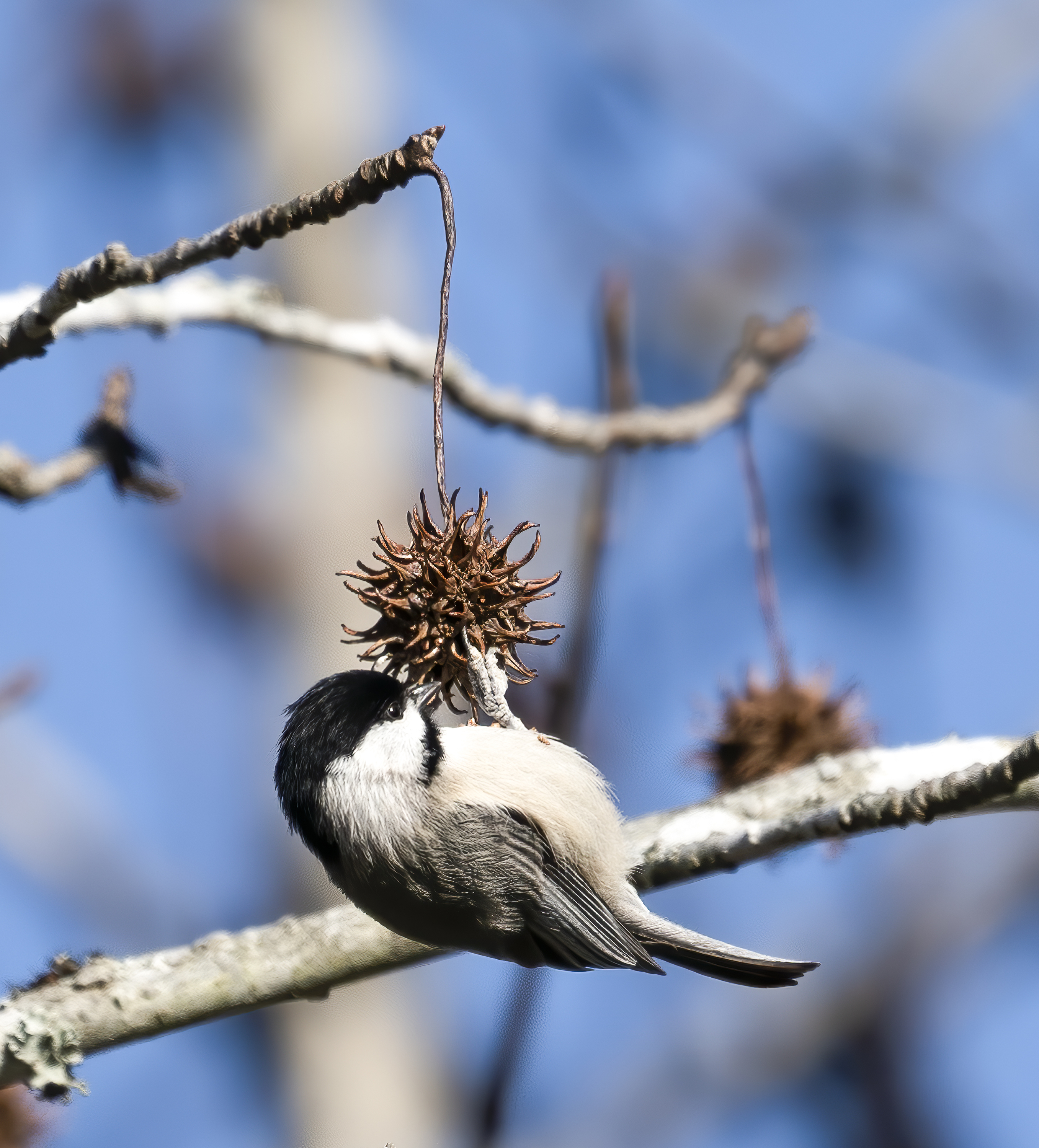
Carolina Chickadee hanging from a seed pod
Resilient Florida Program Updates
Also on the agenda was Chief Resilience Officer Eddy Bouza, who shared updates on the state’s Resilient Florida Program and progress toward building community resilience to flooding and sea-level rise.

Established by the “Always Ready Act,” the program now includes stronger support for small and disadvantaged communities and requires all 67 counties to complete vulnerability assessments by 2026. A statewide dataset and vulnerability assessment finalized earlier this year identified high exposure across critical assets, including infrastructure, transportation routes, and community facilities.

Show Me the Money, Part III

More than $1.6 billion in implementation grants are funding projects to strengthen stormwater systems, protect coastlines, and harden critical infrastructure. Bouza noted ongoing coordination through the Florida Flood Hub and underscored lessons learned around project timelines, permitting, and funding matches as Florida continues to advance its comprehensive, data-driven resilience strategy.


Committee Suggestions for Improving Resilient Florida

- Linking funding more directly to the highest-priority risks identified in the statewide assessment would maximize impact.

-Tracking outcomes—such as reduced flood risk or avoided damages—would better demonstrate results.

- Maintaining stable long-term funding and coordination across regional and local partners will be key to sustaining Florida’s leadership in resilience planning and implementation.
Carolina Chickadee. Photo: Maxine Okazaki/Audubon Photography Awards
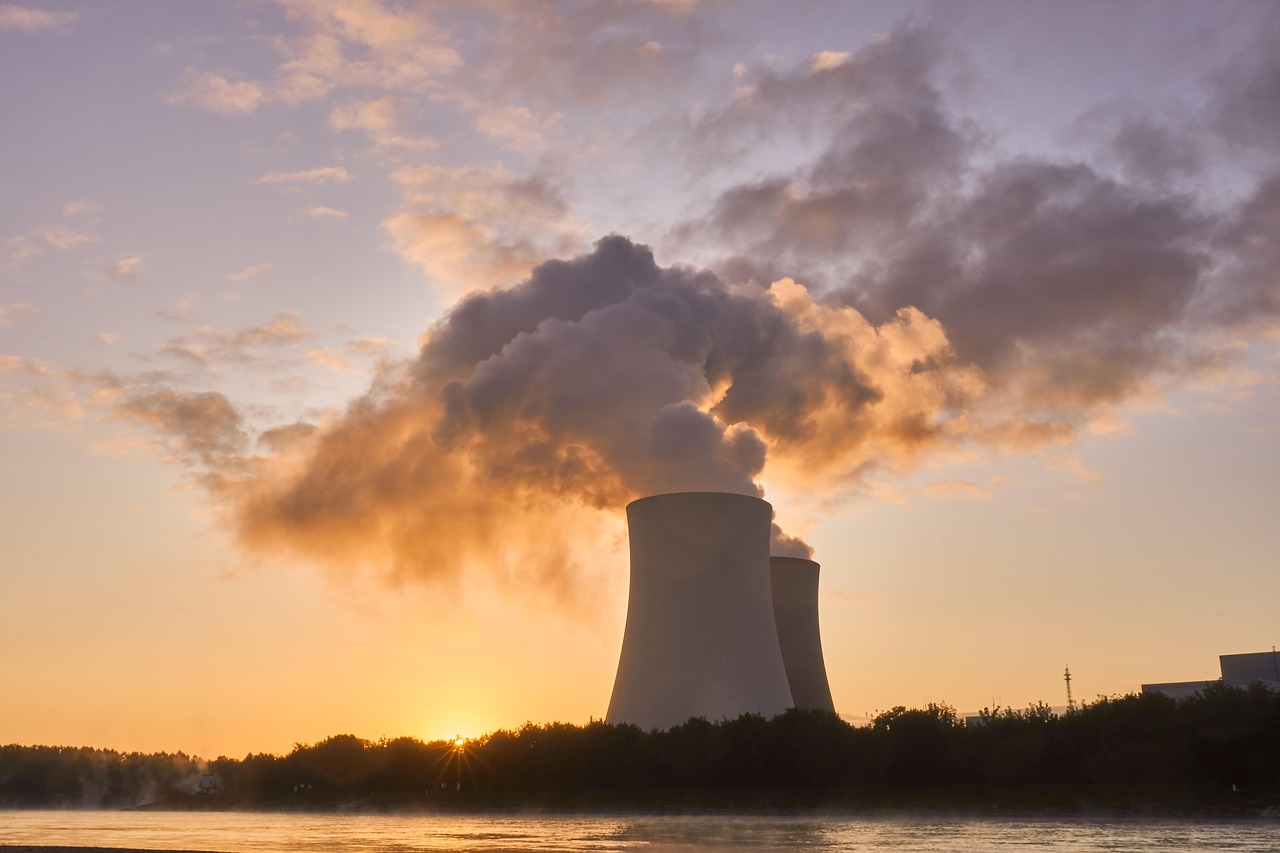
nuclear stack at sunset
Future of Nuclear Power in Florida
On November 4, the House Economic Infrastructure Subcommittee (Chair, Rep. LaMarca (R-Lighthouse Point)) met to discuss the future of nuclear energy in Florida, including emerging technologies like small modular reactors.

Why Nuclear? 

With the state’s population growing and new energy-hungry data centers coming online, lawmakers are beginning to explore how nuclear and other advanced energy options could help meet rising electricity demand. The discussion focused broadly on how Florida’s policies and regulations might evolve to balance innovation with safety, affordability, and environmental protection.
a cow in water
Congratulations to Sarasota Audubon Society for their Conservation Win
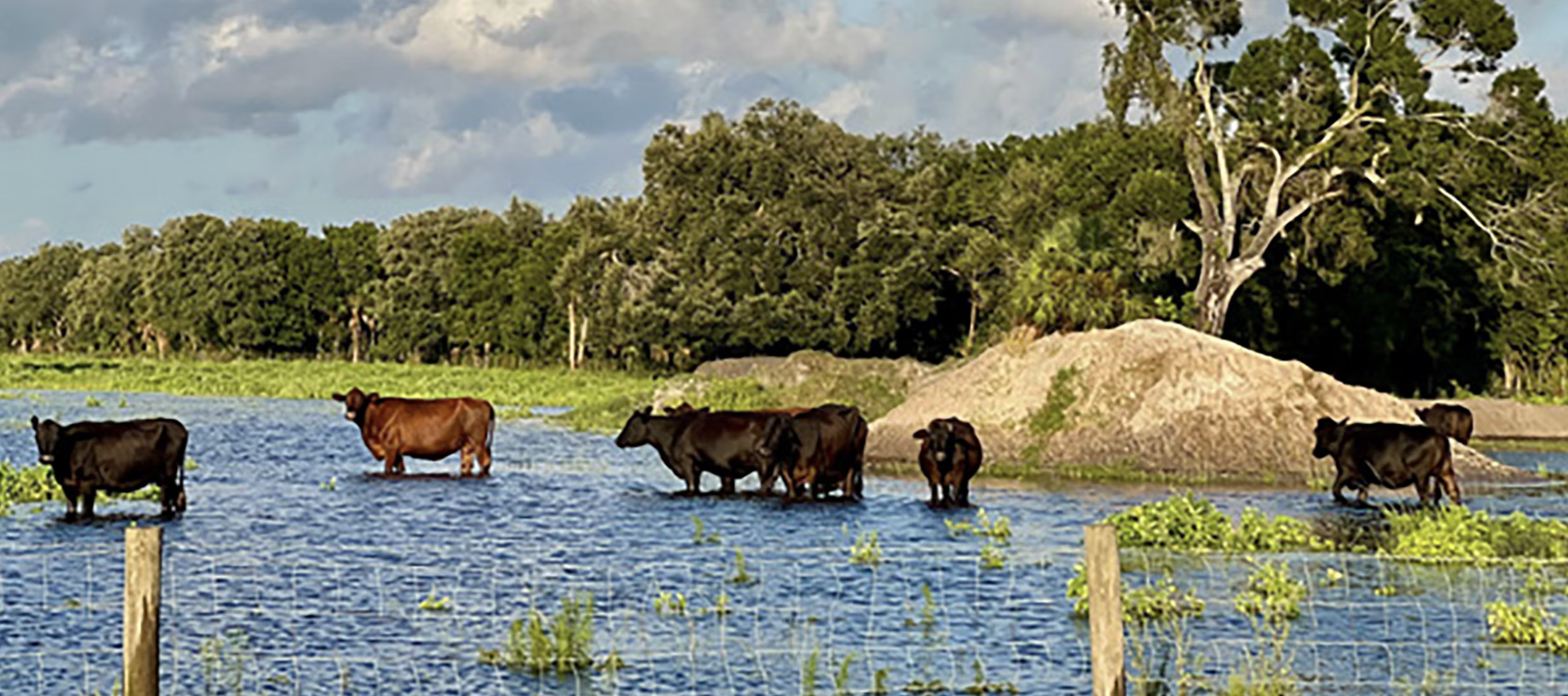
In a major conservation win, Sarasota Audubon Society successfully led efforts to block a housing development proposed directly on flood-prone land that drains to the Celery Fields, Sarasota County's iconic, restored wetland and birding destination. The Sarasota County Commissioners voted 5–0 to deny the rezoning, citing overwhelming evidence of environmental and public safety risks presented by Sarasota Audubon.
 
Cows in a flooded pasture. Photo: Noreen Ram
Sign up for our climate newsletter.
CONNECT WITH US
FacebookTwitterInstagramLinkedInYouTube
Audubon Florida
4500 Biscayne Blvd., Suite 350, Miami, FL 33137
(305) 371-6399 | www.audubon.org/florida

© 2025 National Audubon Society, Inc.

Unsubscribe