͏‌ ͏‌ ͏‌ ͏‌ ͏‌ ͏‌ ͏‌ ͏‌ ͏‌ ͏‌ ͏‌ ͏‌ ͏‌ ͏‌ ͏‌ ͏‌ ͏‌ ͏‌ ͏‌ ͏‌ ͏‌ ͏‌ ͏‌ ͏‌ ͏‌ ͏‌ ͏‌ ͏‌ ͏‌ ͏‌  ͏‌ ͏‌ ͏‌ ͏‌ ͏‌ ͏‌ ͏‌ ͏‌ ͏‌ ͏‌ ͏‌ ͏‌ ͏‌ ͏‌ ͏‌ ͏‌ ͏‌ ͏‌ ͏‌ ͏‌ ͏‌ ͏‌ ͏‌ ͏‌ ͏‌ ͏‌ ͏‌ ͏‌ ͏‌ ͏‌  ͏‌ ͏‌ ͏‌ ͏‌ ͏‌ ͏‌ ͏‌ ͏‌ ͏‌ ͏‌ ͏‌ ͏‌ ͏‌ ͏‌ ͏‌ ͏‌ ͏‌ ͏‌ ͏‌ ͏‌ ͏‌ ͏‌ ͏‌ ͏‌ ͏‌ ͏‌ ͏‌ ͏‌ ͏‌ ͏‌  ͏‌ ͏‌ ͏‌ ͏‌ ͏‌ ͏‌ ͏‌ ͏‌ ͏‌ ͏‌ ͏‌ ͏‌ ͏‌ ͏‌ ͏‌ ͏‌ ͏‌ ͏‌ ͏‌ ͏‌ ͏‌
Audubon Florida
Florida Legislative Session and Policy Update
We've now reached the end of the fourth legislative committee week here in Tallahassee—this Advocate brings you newly filed legislation on sprawl and land swaps as well as committee updates on protected lands and farm areas.

Several harmful growth-management bills have been filed in recent weeks by various members of the Legislature—some of them repeat proposals from previous years. These measures could significantly impact local governments and the future of growth management in our state. Stay tuned for our next Advocate, where we will feature a detailed analysis of these bills and what they mean for our communities.

Highlights of this newsletter:
- SB 208 unanimously passed the Senate Committee on Community Affairs, despite immense concerns that it would remove local control from community planning while encouraging devastating urban sprawl.

- Rep. Kendall (R-St. Augustine) filed a bill to prevent future land swaps and sales without additional procedural steps to increase transparency—a direct response to the proposed Guana River Wildlife Management proposal earlier in the year.

- Committee presentations included overviews of Florida’s state parks, state forests, and wildlife management areas, as well as summaries of opportunities and threats facing Florida farmland.
 
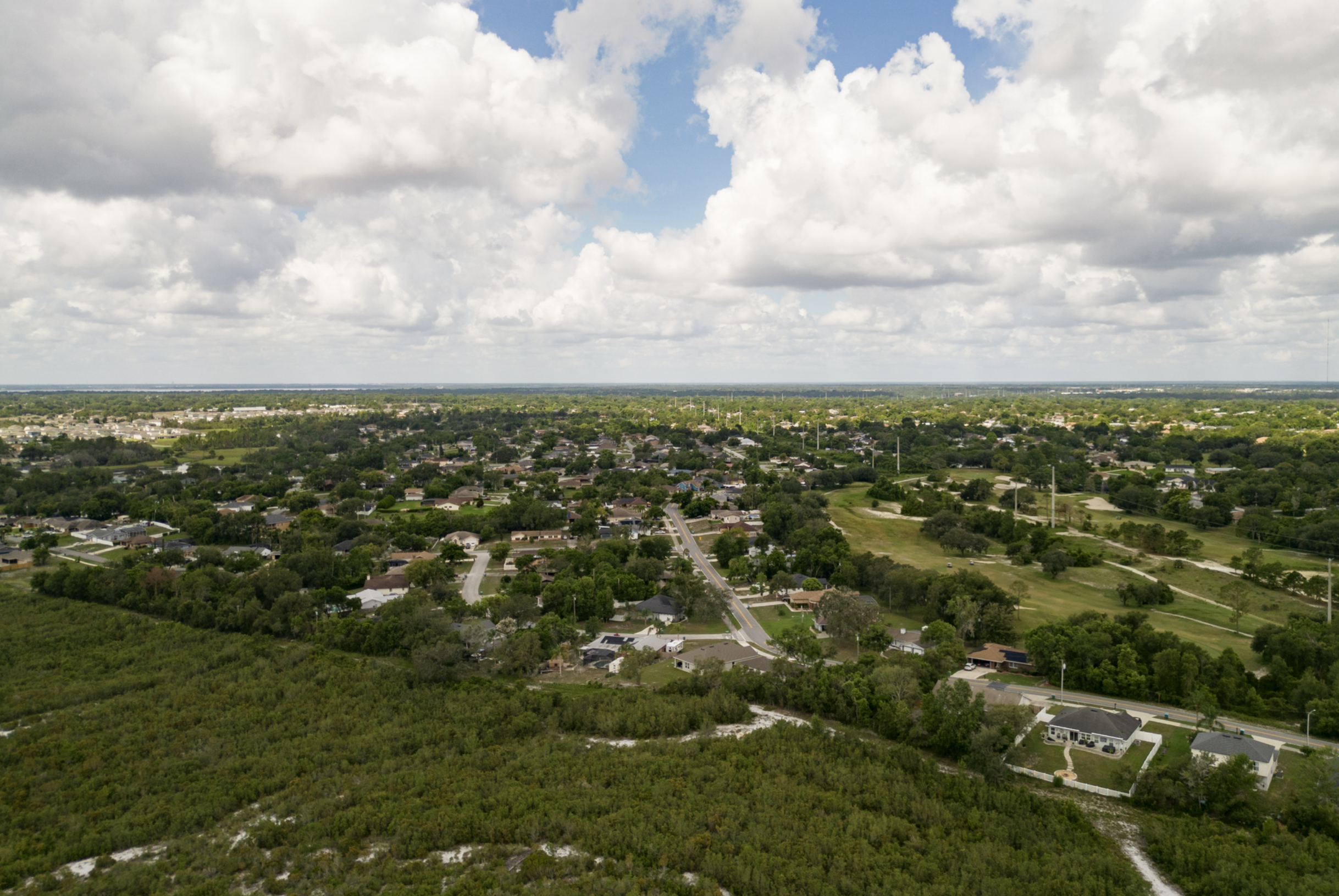
aerial view of development next to a protected area
Sprawl Bill Returns
The Senate Committee on Community Affairs (Chair, Sen. McClain (R-Ocala)) heard SB 208, Land Use and Development Regulations, filed by the committee chair.

SB 208 proposes automatic development approvals that would sidestep public planning and blur the line between urban and rural Florida. As written, the bill could weaken local comprehensive plans, accelerate rural land loss, and fragment key wildlife habitats.


How does it work?

The bill allows small parcels—100 acres or less—to push into designated rural protection areas, creating a “stepping-stone” pattern of higher-density development that could eventually fill in entire preservation zones. It also shifts major land-use decisions from elected officials to administrative staff, removing opportunities for public hearings and accountability.

Because many of these rural areas’ overlap with the Florida Wildlife Corridor, the bill could jeopardize critical connections needed to complete the corridor. Additional concerns include provisions that enable leapfrog development across major highways and an overly broad definition of “infill” that requires only 50% boundary contact with existing dense development. We are working on language to support true residential infill while maintaining rural protections and safeguarding the Florida Wildlife Corridor.
Photo: Sydney Walsh/Audubon
close up of two people talking
Audubon in the News: Preventing Future Land Swaps
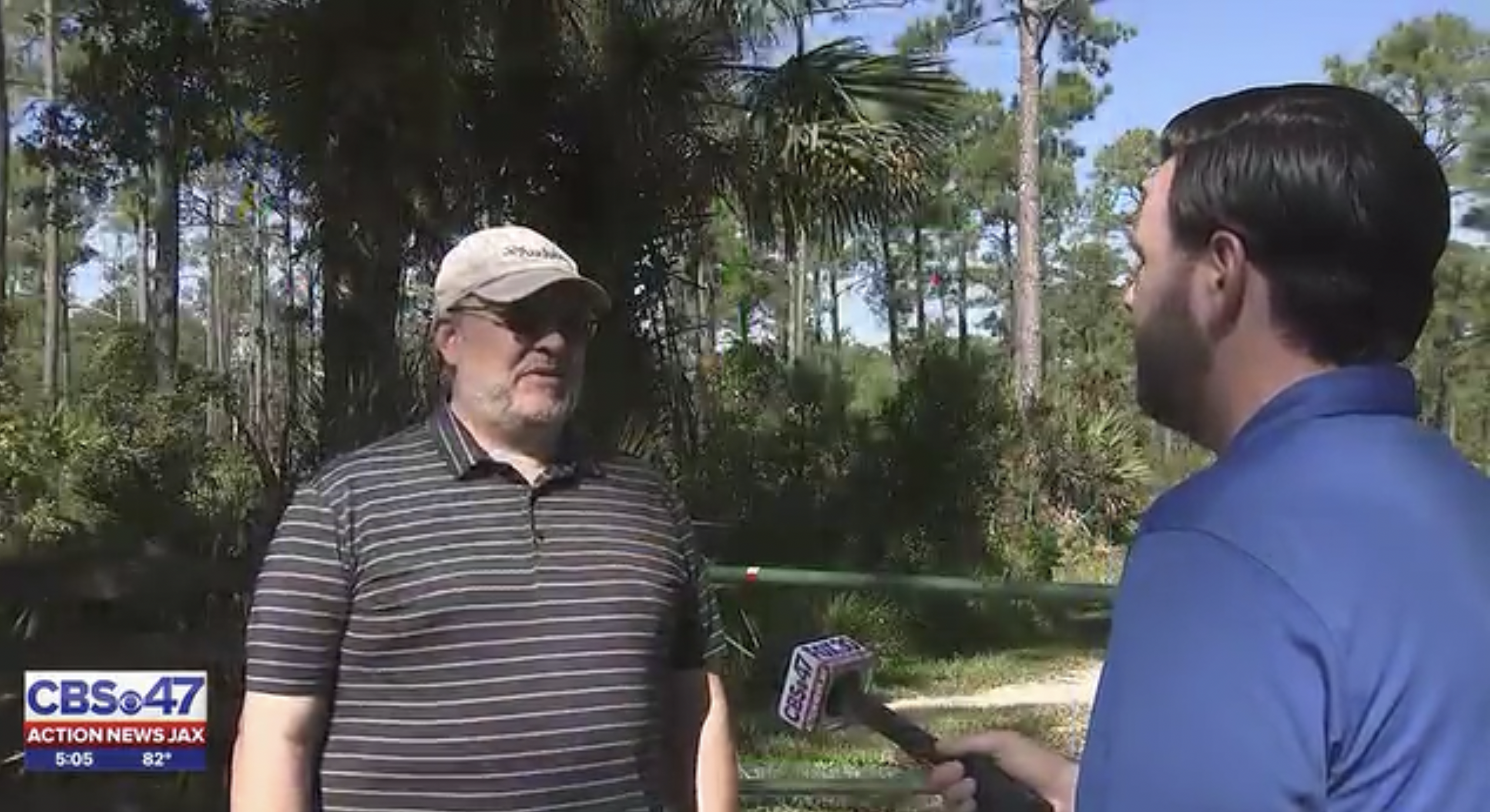
Rep. Kendall (R-St. Augustine) filed a bill that would require more transparency and procedural steps before the state can sell conservation lands. This legislation is in direct response to the Guana River Wildlife Management area swap proposed just five months ago (click here to read more). The bill would also require specific explanations on why the conservation lands at risk of being sold were not necessary for conservation.  

Northeast Policy Associate Chris Farrell spoke with Action News JAX about the importance of the bill. Max Chesnes of the Tampa Bay Times also published an excellent summary here.
Northeast Policy Associate Chris Farrell speaks about the bill to Action News Jax. Photo: Action News Jax.
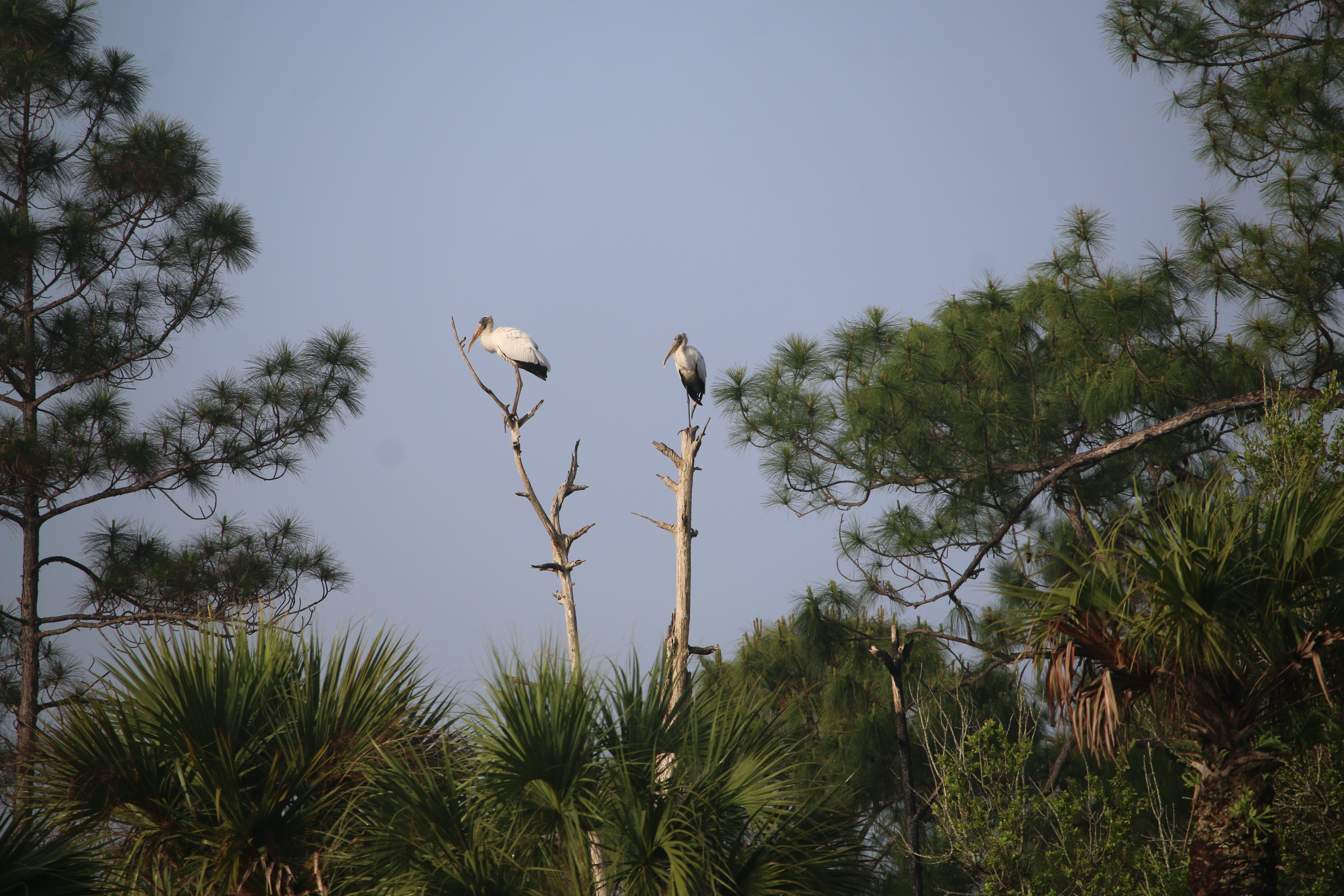
two wood storks sitting on a tree
Florida's Conservation Lands Update: State Forests, State Parks, Wildlife Management Areas
At the House Agriculture and Natural Resource Budget Subcommittee (Chair, Rep. Snyder (R-Stuart)) meeting this week, state agencies briefed lawmakers on the management needs and budget pressures across Florida’s forests, state parks, and wildlife management areas.

State Forests

Director Rick Dolan of Florida Forest Service reported a $20 million budget request to manage 1.2 million acres, including a working cattle ranch. Timber revenue is declining due to mill closures in the Southeast, prompting a shift toward recreation-based revenue through new trails, roads, and campground facilities. Major projects include large-scale invasive plant treatments in Picayune Strand and Babcock, reforestation across 12 state forests, and extensive boundary maintenance.

Florida State Parks

Department of Environmental Protection’s Deputy Secretary Bryan Bradner highlighted record use of Florida State Parks—28 million visitors generating $75 million in revenue. He also summarized ongoing management work, including prescribed fire on 66,000 acres and invasive plant work on 44,700 acres. Despite heavy ecological needs, only $504,000 is budgeted for hydrologic restoration, an area of growing concern in parks like Collier–Seminole.

Wildlife Management Areas

Melissa Tucker, Director of Habitat and Species Conservation at Fish and Wildlife Conservation Commission, informed the committee that the Wildlife Management Areas (WMA) system now spans 6.1 million acres, with 1.5 million acres solely managed by the agency. Management priorities include prescribed fire, hydrologic restoration, invasive species control, and public access. WMA visitation reached 1.4 million last year, with $55 million in revenue and $17.4 million going to outside contractors. Notably, aquatic weed control was not discussed despite its importance on many lakes.

Lawmakers emphasized coordination across agencies, the rising cost of maintenance, and addressed ongoing questions about revenue generation.
 
Wood Storks Picayune State Forest. Photo: Erika Zambello/Audubon Florida
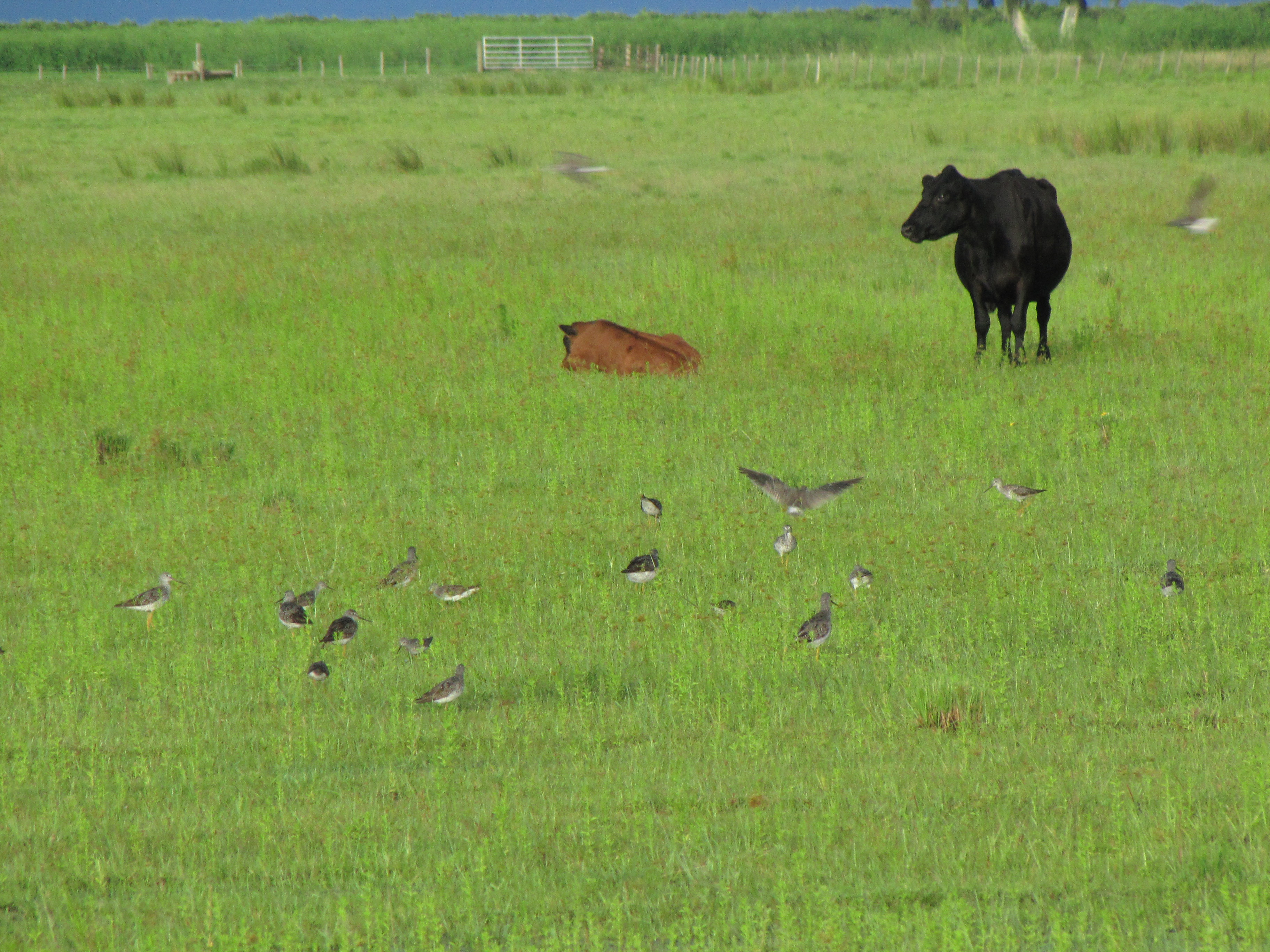
cows and birds on a field
Florida Farms Face Opportunities, Challenges
At this week's Senate Committee on Agriculture meeting (Chair, Sen. Truenow (R-Tavares)), presenters spoke broadly about pressures facing farmers, from labor shortages and rising costs to storm vulnerability, capital access, and water quality challenges.

We also heard recurring interest in technologies like robotics and aquaculture, along with concerns about how agricultural operations can remain viable in a rapidly changing state.

Much of the discussion focused on how state policies, whether through insurance programs, land use stability, or economic incentives, shape the future of agriculture.

Highway Programs Overview

Of particular interest was the Florida Department of Transportation's overview of arterial and rural highway programs.

The department highlighted rising demand for new or widened roads across rural Florida, noting that more than 180 projects have been identified statewide even as transportation revenues remain flat. While the conversation focused on congestion relief and economic mobility, expanding rural road networks would also carry major implications for wildlife habitat, water quality, and the trajectory of growth.

As these transportation discussions continue, Audubon will be watching closely to ensure that Florida's natural systems, rural landscapes, and environmental protections remain central to policymaking rather than sidelined by short-term development pressures.
 
Photo: Paul Gray/Audubon Florida
Sign up for our climate newsletter.
CONNECT WITH US
FacebookTwitterInstagramLinkedInYouTube
Audubon Florida
4500 Biscayne Blvd., Suite 350, Miami, FL 33137
(305) 371-6399 | www.audubon.org/florida

© 2025 National Audubon Society, Inc.

Unsubscribe