The Senate Environment and Natural Resources Committee (Chair, Sen. Anna Maria Rodriguez (R-Doral)) heard presentations this week on the state’s efforts to restore our corals and coral reefs.
Decline in Coral Reefs
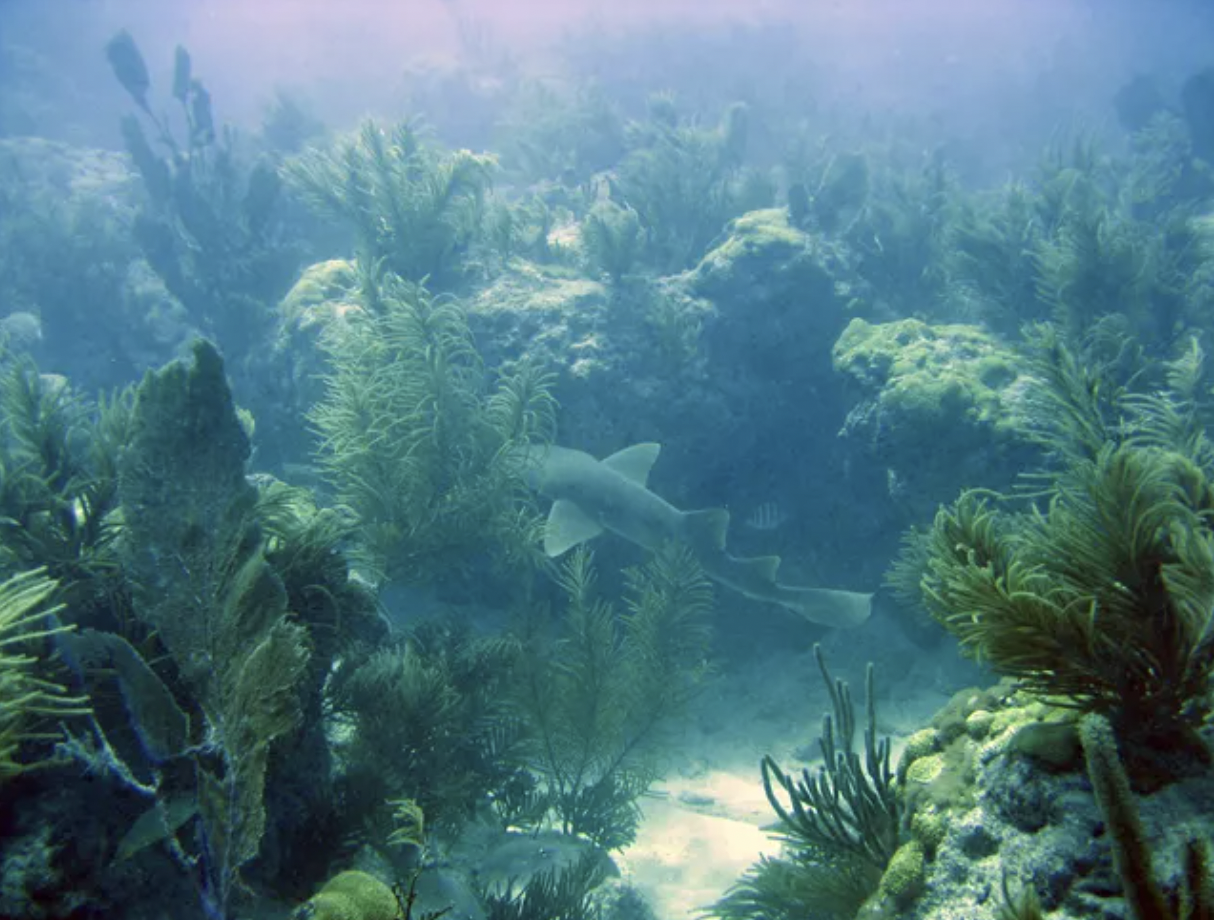
George Warthen from the Fish and Wildlife Conservation Commission (FWC) outlined the severe decline of Florida’s Coral Reef, which has lost more than half its coral cover over the past 25 years and now includes two species that are functionally extinct.
In response, FWC highlighted its leadership in the Florida Coral Rescue Initiative, which has secured more than 2,300 coral colonies from 20 species to preserve genetic diversity and support future restoration. The agency emphasized its plan to scale coral propagation—aiming to produce roughly 300,000 colonies—while contributing scientific expertise on breeding, restoration design, and in-water nursery management.
FWC also detailed the economic and ecological importance of artificial reefs and described the scale of Florida’s program, which deploys 70–100 reefs per year and supports significant fisheries, tourism, and recreation benefits, while noting ongoing challenges such as permitting delays, limited contractors, and material staging constraints.
Case Study: Osborne Reef
Deputy Secretary John Truitt from the Florida Department of Environmental Protection (DEP) provided an update on the ongoing restoration of the Osborne Reef, where more than one million tires were placed offshore in the 1970s and later began breaking loose and damaging surrounding reefs.
The agency highlighted major progress, with more than half a million tires removed to date and recent surveys mapping remaining debris to guide the next phase of removal. DEP also noted that the 2023 Legislature required a formal status report and restoration plan, both now completed, which outline expanded tire retrieval efforts and upcoming biological restoration work to repair reef habitat once tire extraction is finished.
|
|
|
|
|