͏‌ ͏‌ ͏‌ ͏‌ ͏‌ ͏‌ ͏‌ ͏‌ ͏‌ ͏‌ ͏‌ ͏‌ ͏‌ ͏‌ ͏‌ ͏‌ ͏‌ ͏‌ ͏‌ ͏‌ ͏‌ ͏‌ ͏‌ ͏‌ ͏‌ ͏‌ ͏‌ ͏‌ ͏‌ ͏‌  ͏‌ ͏‌ ͏‌ ͏‌ ͏‌ ͏‌ ͏‌ ͏‌ ͏‌ ͏‌ ͏‌ ͏‌ ͏‌ ͏‌ ͏‌ ͏‌ ͏‌ ͏‌ ͏‌ ͏‌ ͏‌ ͏‌ ͏‌ ͏‌ ͏‌ ͏‌ ͏‌ ͏‌ ͏‌ ͏‌  ͏‌ ͏‌ ͏‌ ͏‌ ͏‌ ͏‌ ͏‌ ͏‌ ͏‌ ͏‌ ͏‌ ͏‌ ͏‌ ͏‌ ͏‌ ͏‌ ͏‌ ͏‌ ͏‌ ͏‌ ͏‌ ͏‌ ͏‌ ͏‌ ͏‌ ͏‌ ͏‌ ͏‌ ͏‌ ͏‌  ͏‌ ͏‌ ͏‌ ͏‌ ͏‌ ͏‌ ͏‌ ͏‌ ͏‌ ͏‌ ͏‌ ͏‌ ͏‌ ͏‌ ͏‌ ͏‌ ͏‌ ͏‌ ͏‌ ͏‌ ͏‌
Audubon Florida
Florida Legislative Session and Policy Update
Welcome to the first official week of the Florida Legislative Session! Elected representatives have come to Tallahassee from across the state to hammer out the budget, hear legislation, and listen to agency heads provide critical program updates. Bills this year will have dramatic impacts on Florida's water, sprawl, parks and conservation land, and more.
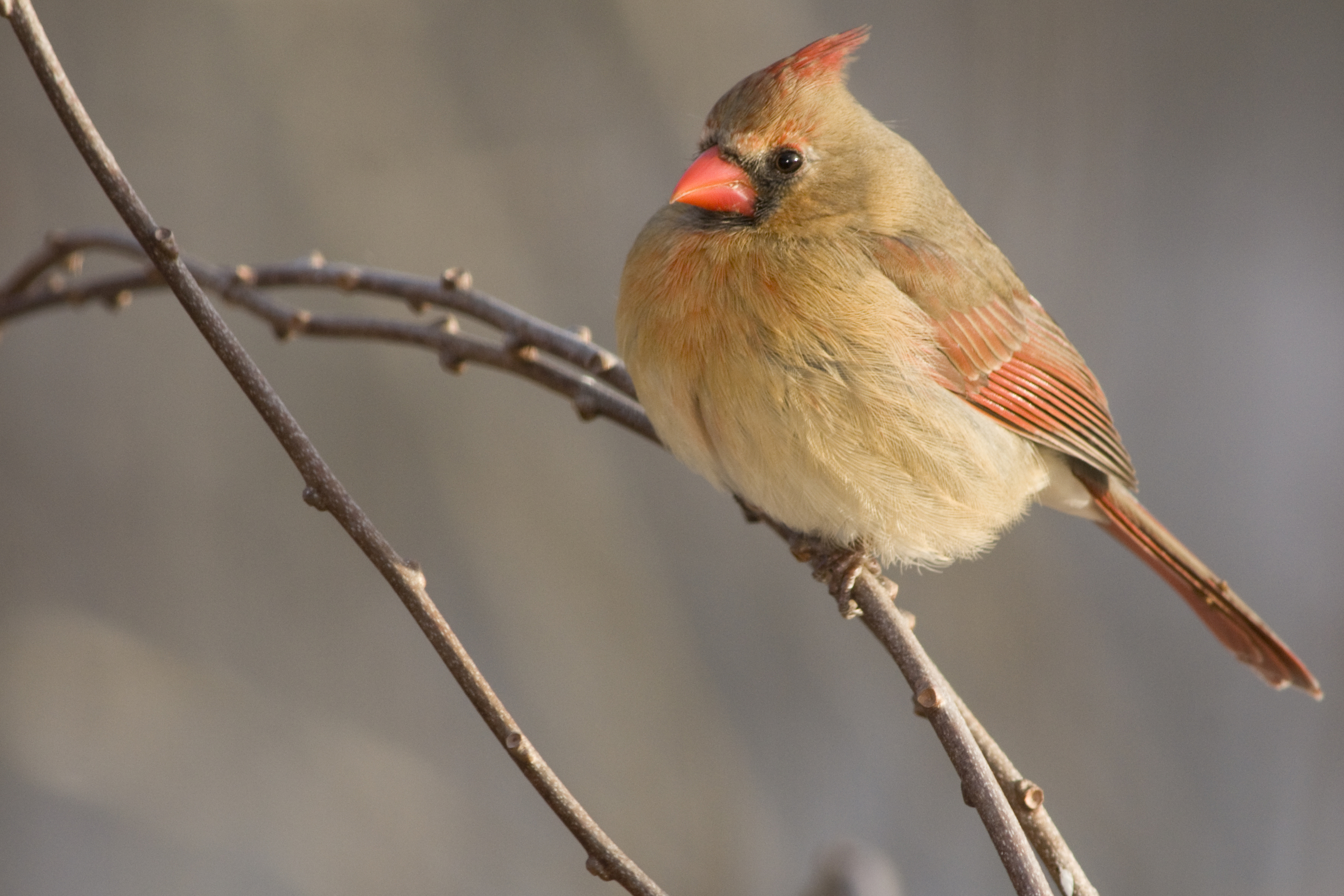
female northern cardinal standing on a branch
Major Tax Bill Risks Less Local Funding

Overall, a growing number of bills to cut homestead and ad valorem taxes were filed this year. This is concerning because these taxes are the primary way local governments fund essential services. When that revenue shrinks, communities are often forced to cut services, raise fees, or shift costs onto renters and businesses. Over time, repeated tax reductions can weaken local budgets and reduce the ability of cities and counties to respond to growth, infrastructure needs, and emergencies.

HJR 203, Phased out Elimination of Non-School Property Tax for Homesteads,  by Rep. Miller (R- Palm Bay), proposes a constitutional amendment to provide property tax relief for homeowners while protecting funding for first responders.

What Does the Bill Do?

The resolution would add a new $200,000 homestead exemption on non-school property taxes for homeowners who carry insurance, adjust that exemption over time for inflation, and ensure that local governments do not reduce overall funding for police, firefighters, and other first responders below recent budget levels.

The bill passed the State Affairs Committee (Chair, Rep. Robinson (R-Bradenton)).

How Could this Affect the Environment?

A $200,000 exemption is very large and would significantly reduce local government revenue from non-school property taxes. Even with the first-responder “hold harmless” language, cities and counties could be forced to cut other essential services, raise fees, or shift the tax burden to renters and businesses. This could leave less funding for public parks and environmental management, as just two examples. Because it’s a constitutional amendment, the change would also be difficult to adjust later if unintended consequences emerge.
 
Northern Cardinal. Photo: Michele Black/Great Backyard Bird Count
two sandhill cranes in flight
Bill That Would Have Limited Cities' Ability to Plan Significantly Improved
SB 208, Land Use and Development Regulation, by Sen. McClain (R-Ocala), would have significantly limited the criteria local governments use in reviewing residential development proposals. This could have allowed new development to override comprehensive plans, neutralize compatibility, ignore inadequate infrastructure capacity, and eliminate surrounding land-use considerations — resulting in sprawl.

Bill Improved

At this week’s meeting of the Judiciary Committee, (Chair, Sen. Yarborough (R-Jacksonville)), the bill was significantly amended and passed unanimously (this is the second of three committee stops).

The amended bill limits when a housing project can be denied, requiring clear, objective standards and giving developers a chance to fix problems, while preventing denials based only on vague concerns like “neighborhood character,” with some exceptions for certain uses and older historic districts.

Additionally, the bill changes how local governments charge development fees and review housing projects. It requires permit fees to be based only on the actual cost of reviewing an application — not on how valuable the project is — and makes those fees public. 

HB 399 by Rep. Borrero (R-Miami-Dade) is its House companion but has not yet had a committee hearing.
Sandhill Cranes. Photo: Luke Franke/Audubon.
Crested Caracara comes in for a landing.
Fast Track Development Approval Bill Raises Concerns in Committee
SB 299, Blue Ribbon Projects, sponsored by Sen. McClain (R-Ocala), would create a fast-track approval process for very large developments by allowing projects to proceed if 60% of the land is labeled a “reserve.”

The Problem

The bill fails to clearly define what qualifies as a reserve or how that land is protected or managed over time. Without enforceable conservation standards, SB 299 risks green-lighting developments while offering only paper protection for Florida’s most sensitive landscapes.

Senators Raise Concerns

The bill was heard in Community Affairs this week (Chair, Sen. McClain). Several senators raised substantive concerns, prompting a thoughtful discussion, and the sponsor indicated that an amendment is likely forthcoming. Audubon has shared suggested provisions for the sponsor’s consideration as the bill continues to be refined.

HB 299 by Rep. Melo (R-Naples) passed its first committee in December.
 
Crested Caracara. Photo: Tim Timmis/Audubon Photography Awards
aerial view of a neighborhood
Local Control of Wetlands and Water Decisions at Risk
HB 479, Land and Water Management, by Rep. Maggard (R-Zephyrhills), would limit the ability of local governments to adopt or enforce environmental protections in response to local conditions. By narrowing local authority, the bill weakens community-level safeguards for wetlands, water resources, and wildlife habitat. The result is a one-size-fits-all approach that prioritizes speed and uniformity over environmental protection and local accountability.

Amended Bill Passes Committee

HB 479 passed the Natural Resources and Disasters Committee (Chair, Rep. Botana (R-Bonita Springs)) this week. While the amended bill is narrower and an improvement over the original version, it still raises concerns.

- Instead of broadly overriding local government water regulations, the bill now preempts wetland buffer requirements that go beyond the state’s minimum standards.

- The bill also limits the ability of counties and cities to restrict certain activities near wetlands, even if those activities could affect water quality which could make it harder for local governments to respond to local environmental challenges.

What Representatives are Saying

The debate focused on whether wetland buffers should be set uniformly by the state or tailored by local governments. Supporters argued that buffers exist only to protect wetlands from secondary impacts, not to address water quality or flooding, and that the state — not local governments — is best positioned to rely on science rather than “emotional” decisions. Opponents warned that the bill strips local authority, removes outside expertise, and could weaken local efforts to manage flooding, stormwater, and environmental protection. The bill passed with 11 yeas and 5 nays.

The Senate companion, SB 718, sponsored by Sen. McClain, has not yet been heard. Audubon is working with the sponsors to bring clarity to the current versions of the bill.
 
Photo: Pixabay
Great Egret standing
Bill to Stop Surprise Land Swaps Passes Committee
HB 441, Conservation Lands, by Rep. Kendall (R-St. Johns), focuses on transparency and requirements around the sale and exchange of conservation lands by the state — filed in direct response to the proposed Guana River Wildlife Management Area land swap last year.

Why This is Important

The bill is about making sure the public isn’t left in the dark when the state wants to sell or swap conservation land. It requires the state to give people a clear heads-up — at least 30 days in advance — and to put important details online, like which lands are involved, why the deal makes sense for conservation, and how the land is valued. In plain terms, HB 441 makes the state show its work before making big decisions about public conservation lands that belong to all of us.

Rep. Kendall put forth a successful amendment for uniformity and clarity on the public notices, which conforms it to the Senate companion. The bill passed unanimously in the Natural Resources and Disasters Committee.

Senate Version Also Passes

SB 546 by Sen. Mayfield (R-Melbourne) passed the same day in the Senate Environment and Natural Resources Committee (Chair, Sen. Ana Maria Rodriguez (R-Doral)).

These are important bills because Florida’s conservation lands are a public trust — they belong to the people of the state. By requiring advance notice and clear public information before conservation land is sold or exchanged, the bill helps prevent rushed or behind-the-scenes decisions that could permanently change treasured natural areas.
 
Great Egret. Photo: Luke Franke/Audubon
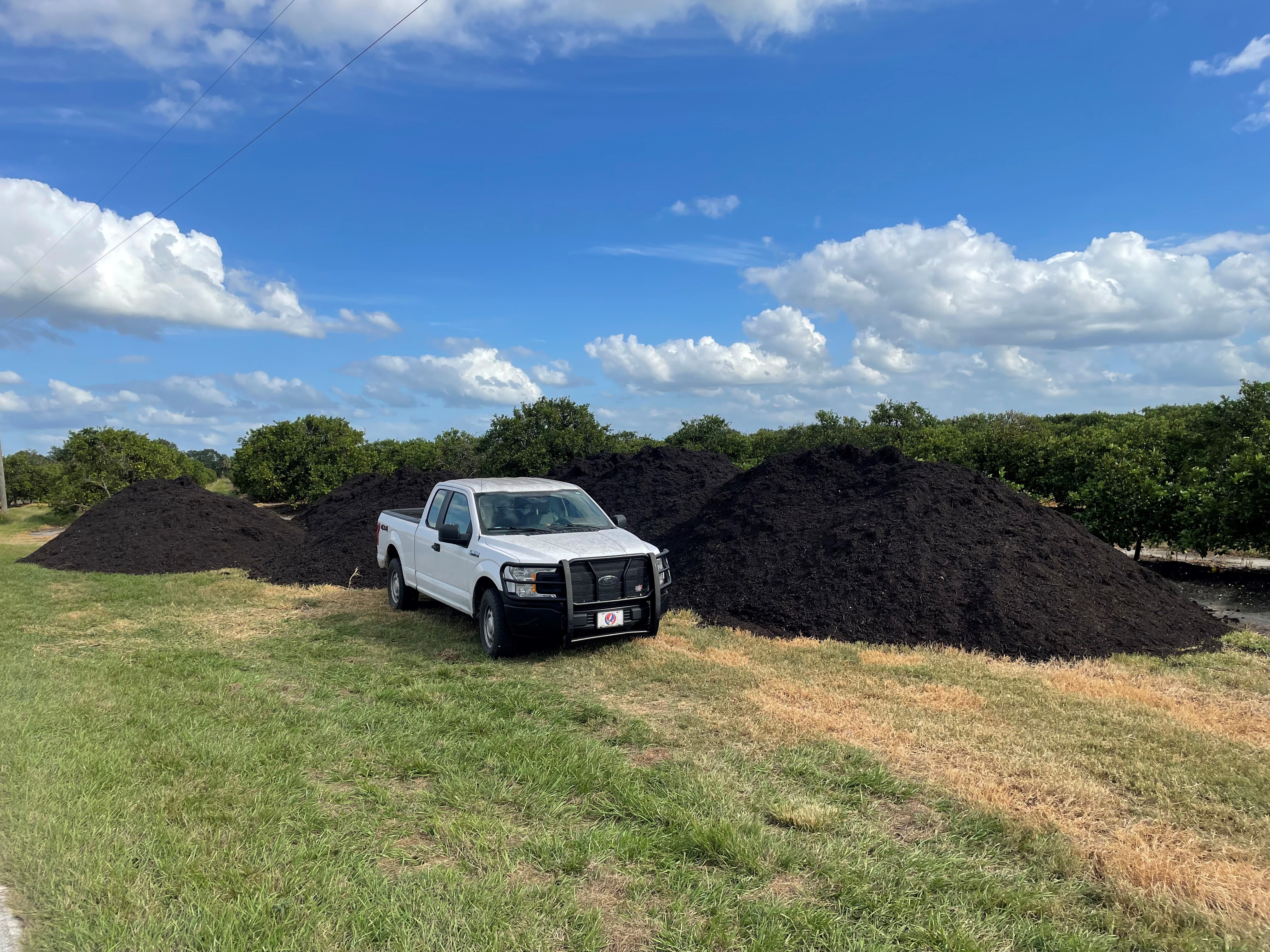
truck next to piles of manure
Agriculture Bill Provisions Would Convert State Conservation Lands to Farms, and Ramp Up Water Pollution
SB 290, Agriculture, by Sen. Truenow (R-Tavares), passed the second of its three referenced committees.

What Are Audubon’s Concerns about Conservation Lands?

On state lands, the bill shifts decisions about surplussing or repurposing conservation lands away from the Governor and Cabinet — the elected officials who originally approved these acquisitions — and eliminates independent review by the Acquisition and Restoration Council. It also weakens automatic protections for state parks, forests, wildlife management areas, and water management district lands, replacing clear exclusions with conditional designations and reporting after the fact, leaving taxpayers and the public with little real oversight.

What Are Audubon’s Concerns about Biosolids?

On biosolids, the bill effectively ends the Class B land application program, which currently regulates where and how biosolids can be applied to protect water, wetlands, groundwater, and neighboring properties. Instead, it pushes applications toward Class AA biosolids, which remain nutrient-rich and can still leach into Florida’s waters — but under the bill, Class AA use would not require DEP permits, setbacks, site-specific controls, or tracking. While the bill assumes DEP could regulate Class AA via rulemaking, it provides no express authority or standards, making this approach legally and practically unworkable.

In both cases, SB 290 removes existing guardrails without replacing them with durable protections, putting Florida’s public lands, waterways, and taxpayers at real risk. Audubon is working to call attention to these harmful provisions and make improvements.
 
Class AA biosolids—the dried solids remaining after the treatment of urban wastewater—are allowed to be spread on farm fields without any limitations or tracking. Photo: Paul Gray/Audubon Florida
Sign up for our climate newsletter.
CONNECT WITH US
FacebookInstagramLinkedInYouTube
Audubon Florida
999 Ponce de Leon Blvd, Suite 555, Coral Gables, FL 33134
(305) 371-6399 | www.audubon.org/florida

© 2026 National Audubon Society, Inc.

Unsubscribe