͏‌ ͏‌ ͏‌ ͏‌ ͏‌ ͏‌ ͏‌ ͏‌ ͏‌ ͏‌ ͏‌ ͏‌ ͏‌ ͏‌ ͏‌ ͏‌ ͏‌ ͏‌ ͏‌ ͏‌ ͏‌ ͏‌ ͏‌ ͏‌ ͏‌ ͏‌ ͏‌ ͏‌ ͏‌ ͏‌  ͏‌ ͏‌ ͏‌ ͏‌ ͏‌ ͏‌ ͏‌ ͏‌ ͏‌ ͏‌ ͏‌ ͏‌ ͏‌ ͏‌ ͏‌ ͏‌ ͏‌ ͏‌ ͏‌ ͏‌ ͏‌ ͏‌ ͏‌ ͏‌ ͏‌ ͏‌ ͏‌ ͏‌ ͏‌ ͏‌  ͏‌ ͏‌ ͏‌ ͏‌ ͏‌ ͏‌ ͏‌ ͏‌ ͏‌ ͏‌ ͏‌ ͏‌ ͏‌ ͏‌ ͏‌ ͏‌ ͏‌ ͏‌ ͏‌ ͏‌ ͏‌ ͏‌ ͏‌ ͏‌ ͏‌ ͏‌ ͏‌ ͏‌ ͏‌ ͏‌  ͏‌ ͏‌ ͏‌ ͏‌ ͏‌ ͏‌ ͏‌ ͏‌ ͏‌ ͏‌ ͏‌ ͏‌ ͏‌ ͏‌ ͏‌ ͏‌ ͏‌ ͏‌ ͏‌ ͏‌ ͏‌
Audubon Florida
Florida Legislative Session and Policy Update
January may be winding down, but the Florida Legislative Session is heating up! This week the following bills of interest were heard in committee:

- Bill to fix 2025’s pro-sprawl SB 180, passed last year. 

- Bill to restore the Ocklawaha River ecosystem.

- Measure to hasten septic system installations that would result in harmful siting approvals.

- Bill to remove forever chemicals from firefighting foam.

- Potential reductions to standards protecting agricultural areas from sprawl.

Plus an exciting announcement of the newest park in Florida's State Park system, made possible with funding from the Florida Forever program!
 
royal tern in flight
New Senate Bill Attempts to Fix Overreach Bill from 2025, but Doesn't Go Far Enough
SB 840 (Sen. DiCeglie (R-Indian Rocks Beach)) and its House companion, HB 1465, (Rep. Andrade (R-Pensacola)) are both attempts to fix problems created by last year’s hurricane recovery law, SB 180.

SB 180 has been viewed as a significant encroachment on local cities’ and counties’ authority to manage growth within their borders, and has led to significant confusion and lawsuits.

What Changes are Proposed?

SB 840 takes a more targeted approach by:

- Narrowing which local governments are affected.
- Clarifying what hurricane-related repairs can move forward.
- Preserving updates to the Florida Building Code.
- Shortening the timeframe during which special limits apply.

Additional Changes Still Needed


While these are positive steps, SB 840 fails to fix one of SB 180's biggest flaws: language that could leave many existing protections against sprawl void unless they are readopted one by one.

Committee Movement

SB 840 was voted favorably through Senate Judiciary (Chair, Sen. Yarborough (R-Jacksonville))  on Tuesday this week.

What About the House?


The House bill, HB 1465, doubles down on the pro-sprawl elements of SB 180 by restricting local governments’ ability to adopt or enforce land-use regulations after a hurricane and expanding who can challenge those actions in court.

It defines certain local regulations as “burdensome” or “restrictive,” requires applications to be reviewed under the least restrictive rules in place at the time they were filed, and allows more lawsuits from property owners, businesses, and residents. HB 1465 has not yet been heard.


Royal Tern. Photo: Walker Golder/Audubon
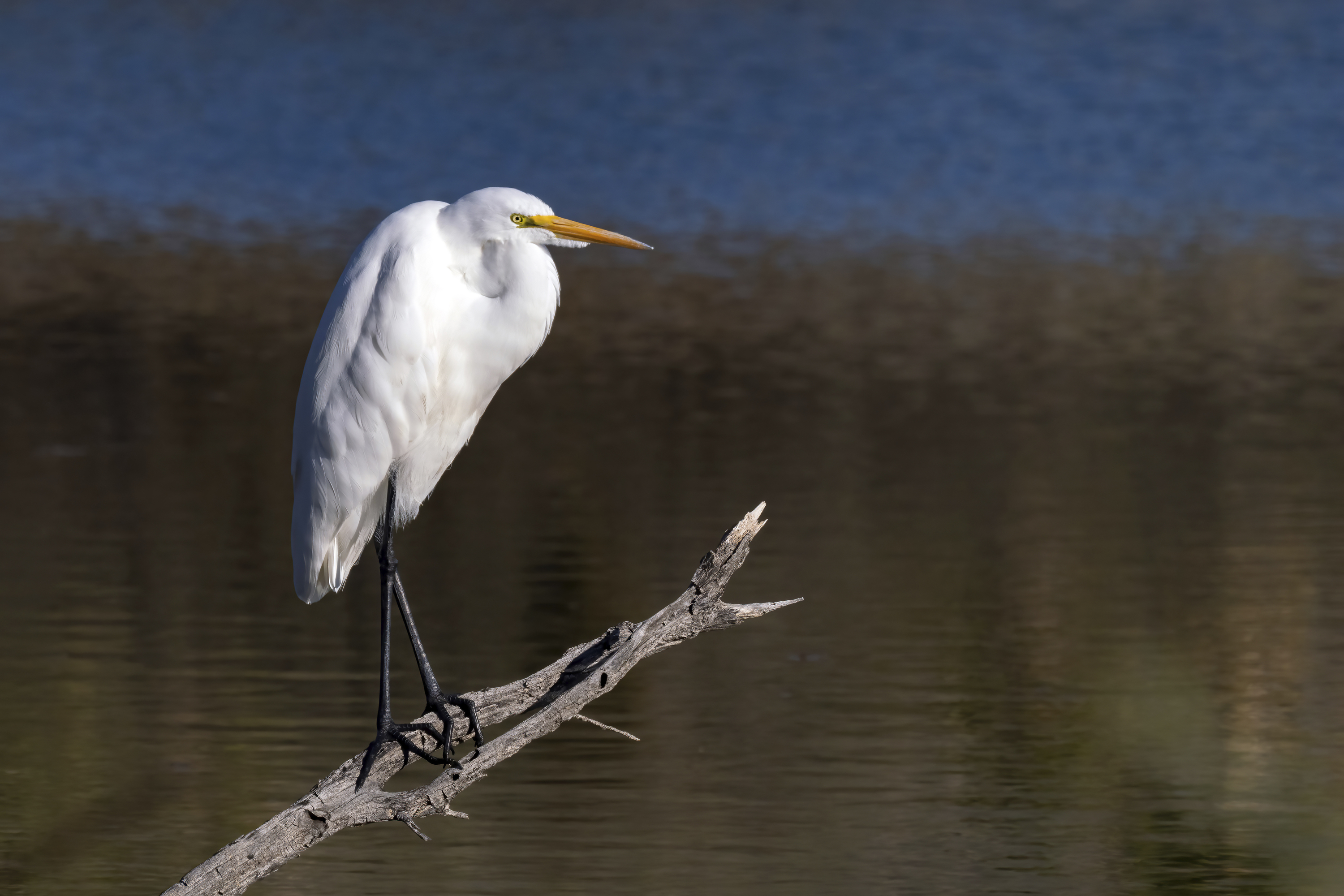
great egret standing on a branch
Bill to Restore Ocklawaha River Advances in Both Chambers
SB 1066, Northeast Florida Rivers, Springs, and Community Investment Act, filed by Sen. Brodeur (R-Sanford), advances the long-planned restoration of the Ocklawaha River while pairing ecological recovery with recreation, economic development, and public safety goals.

The bill directs the Department of Environmental Protection (DEP) to hire a dedicated project lead, develop a detailed restoration plan consistent with prior federal environmental review, and implement the project subject to available funding. It also establishes a regional advisory council and supporting recreation, grant, and economic development programs to guide long-term implementation.


An amendment adopted this week strengthened the advisory council’s composition by expanding geographic representation and explicitly including environmental expertise and local government participation.

The bill was reported favorably by the Senate Environment and Natural Resources Committee.

The House companion, HB 0981, sponsored by Rep. Duggan (R-Jacksonville) passed the House Natural Resources and Disasters Committee (Chair, Rep. Botana (R-Bonita Springs)) with unanimous support.
 
Great Egret. Photo: Mick Thompson.
big truck
Speeding Construction at the Expense of Water Quality
SB 698,  Onsite Sewage Treatment and Disposal System Permits, by Sen. Martin (R-Fort Myers) would allow local governments to issue building permits for single-family homes before DEP has approved septic permits, requiring only proof that an application has been submitted.

Why This is Harmful

This removes a critical early checkpoint that prevents poorly sited or environmentally harmful systems from being locked in after construction. The bill also creates a 120-day grace period allowing projects to move forward under older rules after new septic standards are adopted.

Several senators raised concerns that the bill prioritizes construction speed over environmental safeguards and argued that permitting delays should instead be addressed within DEP.  Addressing permitting delays should focus on improving DEP’s capacity and accountability — not bypassing the safeguards designed to protect water resources and communities.

Despite those concerns, the bill was reported favorably by the Senate Environment and Natural Resources Committee.


HB 0589, filed by Rep. Nix, Jr. (R-Placida), is the House companion and was voted favorably through the House Natural Resources and Disasters Committee (Chair, Rep. Botana (R-Bonita Springs)).
 
Photo: Pixabay
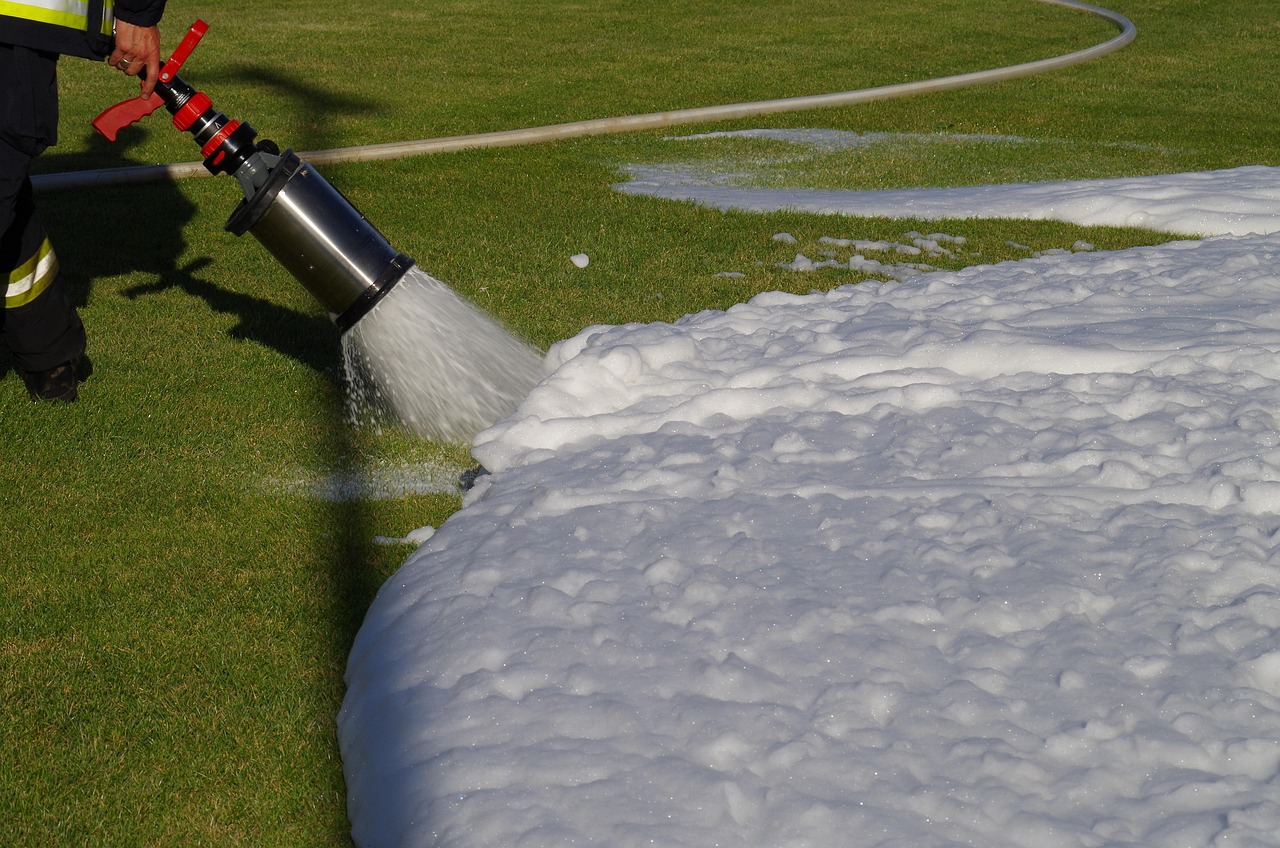
foam
Bill to Eliminate Forever Chemicals in Firefighting Foam Moves Forward
SB 1230, Perfluoroalkyl and Polyfluoroalkyl Substances, by Sen. Harrell (R-Stuart) phases out the use, sale, and possession of PFAS-containing firefighting foam.

The bill phases in restrictions first with limits on training use and culminating in a statewide ban, with limited exemptions for military, aviation, and emergency situations where alternatives are not available. The bill directs DEP to establish disposal rules, maintain a registry of safer alternatives, and provide technical and financial assistance for the transition. It also requires annual PFAS sampling of biosolids at large wastewater facilities  an important safeguard to identify and limit the spread of these persistent “forever chemicals” that pose long-term risks to drinking water, public health, and ecosystems.

An amendment clarified DEP’s enforcement authority and civil penalty amounts. The bill was reported favorably by the Senate Environment and Natural Resources Committee without opposition and moves on.
 
Photo: Pixabay
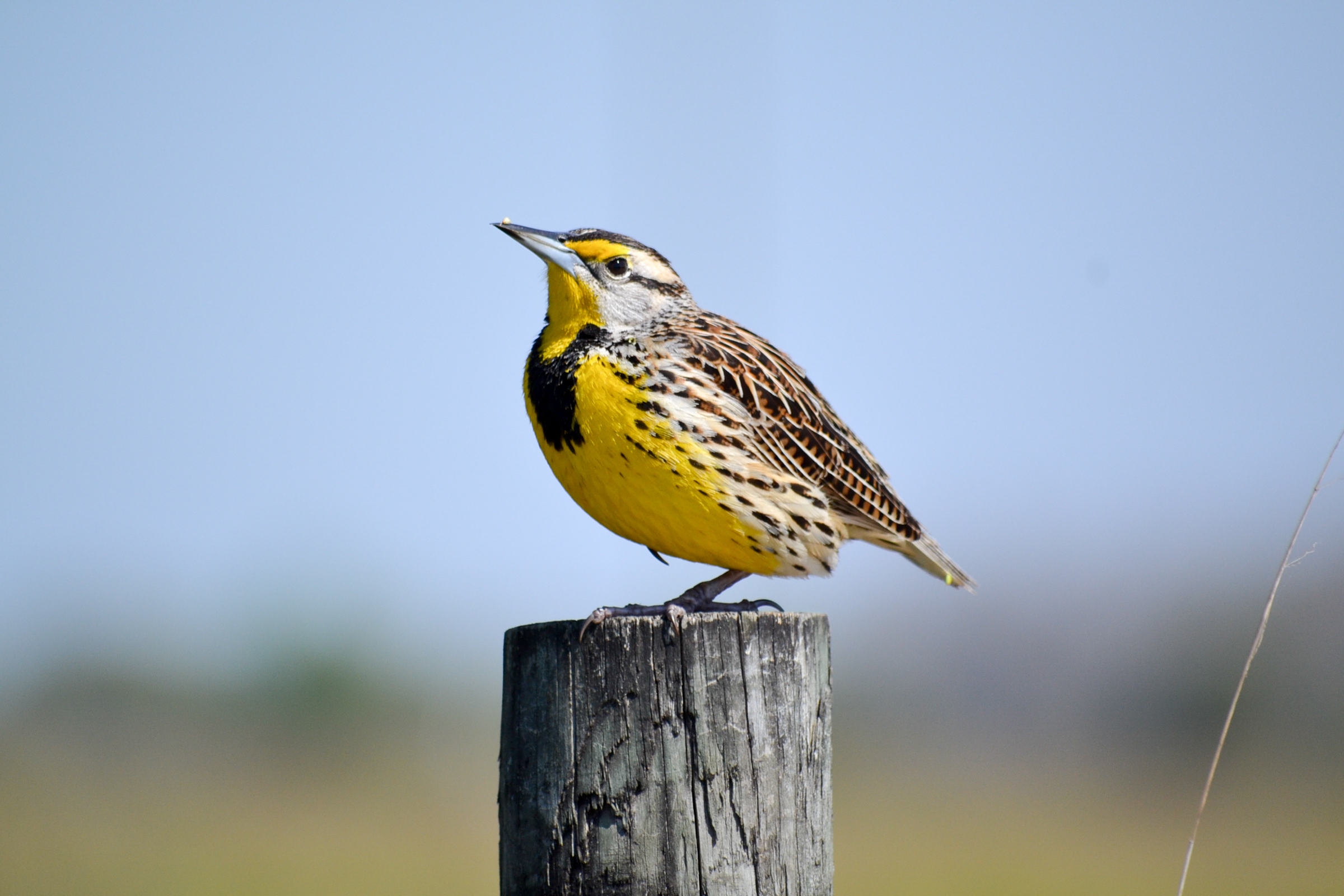
meadowlark on a wooden post
Bill Could Make Agricultural Enclaves More Vulnerable to Sprawl
In Community Affairs (Chair, Sen. McClain (R-Ocala)), members heard the chair’s bill SB 686, Agricultural Enclaves.

SB 686 would expand the agricultural enclave process and shift how certain rural parcels may transition to residential use, raising questions about how these changes interact with long-standing local growth management plans. The bill streamlines certification timelines and limits local discretion, which could have unintended effects in areas planned for agriculture or conservation.

We are working with the sponsor and stakeholders to identify solutions that balance housing needs with local planning and resource protection.
Eastern Meadowlark. Photo: Sheri Douse/Audubon Photography Awards
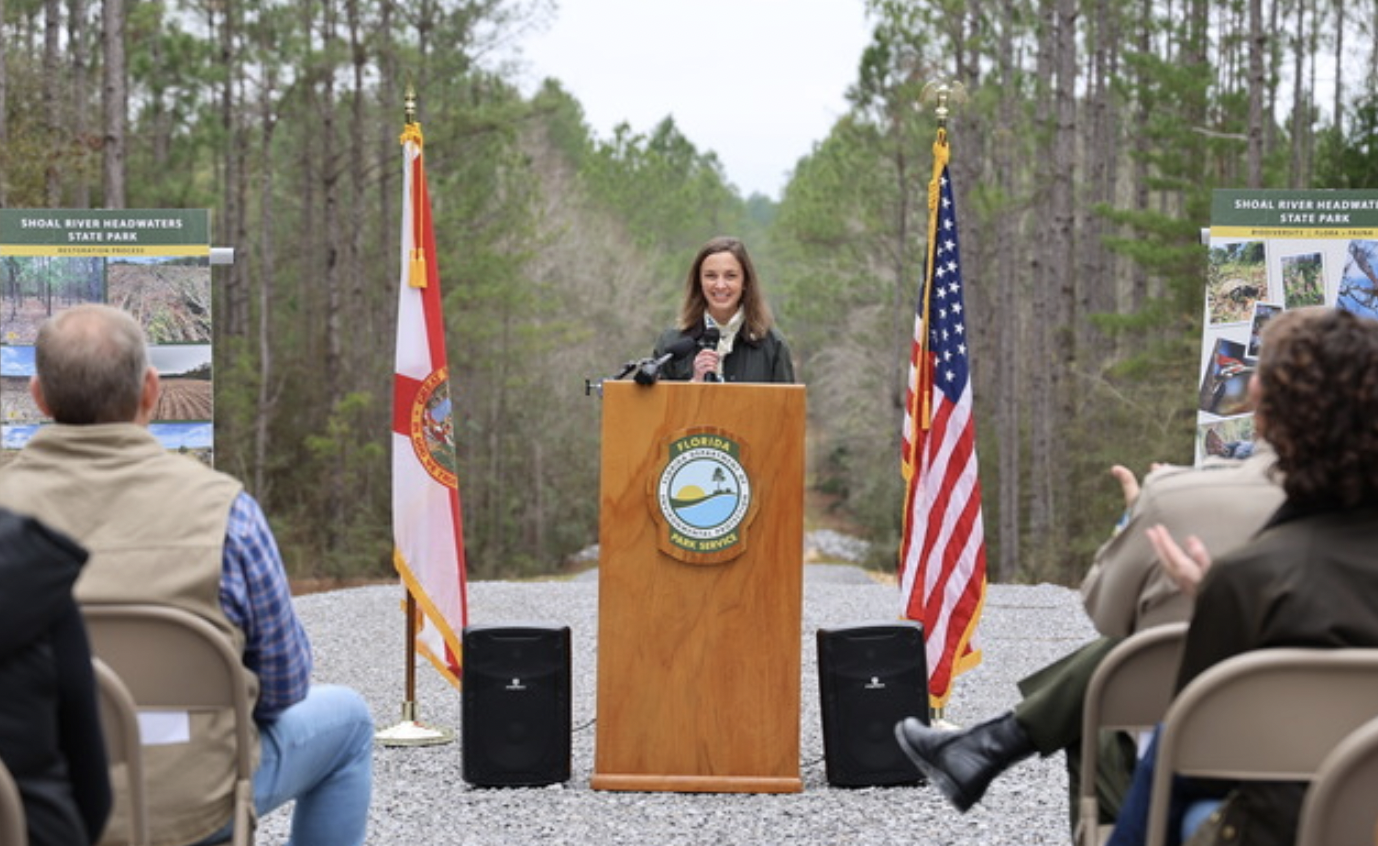
a woman stands at a podium
New Florida State Park is Open!
In 2024, the Governor and Cabinet approved the purchase of the Shoal River Headwaters through the Florida Forever Program, and today, the state's newest state park opened for passive recreation! Located just west of DeFuniak Springs, the park features rolling sandy hills, mesic flatwoods, and floodplain forests along tributaries of the Shoal River. The 2,480-acre park is now open for passive recreation, including hiking and wildlife viewing, while Florida State Parks works with the public on long-term recreation and land management plans. Future opportunities may include camping, biking, and paddling along the Shoal River. 
Photo: FDEP
Sign up for our climate newsletter.
CONNECT WITH US
FacebookInstagramLinkedInYouTube
Audubon Florida
999 Ponce de Leon Blvd, Suite 555, Coral Gables, FL 33134
(305) 371-6399 | www.audubon.org/florida

© 2026 National Audubon Society, Inc.

Unsubscribe