͏‌ ͏‌ ͏‌ ͏‌ ͏‌ ͏‌ ͏‌ ͏‌ ͏‌ ͏‌ ͏‌ ͏‌ ͏‌ ͏‌ ͏‌ ͏‌ ͏‌ ͏‌ ͏‌ ͏‌ ͏‌ ͏‌ ͏‌ ͏‌ ͏‌ ͏‌ ͏‌ ͏‌ ͏‌ ͏‌  ͏‌ ͏‌ ͏‌ ͏‌ ͏‌ ͏‌ ͏‌ ͏‌ ͏‌ ͏‌ ͏‌ ͏‌ ͏‌ ͏‌ ͏‌ ͏‌ ͏‌ ͏‌ ͏‌ ͏‌ ͏‌ ͏‌ ͏‌ ͏‌ ͏‌ ͏‌ ͏‌ ͏‌ ͏‌ ͏‌  ͏‌ ͏‌ ͏‌ ͏‌ ͏‌ ͏‌ ͏‌ ͏‌ ͏‌ ͏‌ ͏‌ ͏‌ ͏‌ ͏‌ ͏‌ ͏‌ ͏‌ ͏‌ ͏‌ ͏‌ ͏‌ ͏‌ ͏‌ ͏‌ ͏‌ ͏‌ ͏‌ ͏‌ ͏‌ ͏‌  ͏‌ ͏‌ ͏‌ ͏‌ ͏‌ ͏‌ ͏‌ ͏‌ ͏‌ ͏‌ ͏‌ ͏‌ ͏‌ ͏‌ ͏‌ ͏‌ ͏‌ ͏‌ ͏‌ ͏‌ ͏‌
Audubon Florida
Florida Legislative Session and Policy Update
North Florida may have been cold for Week 3 of the 2026 Legislative Session, but environmental bills were hot. Bills affecting sprawl, water quality, surplussing of state lands, and more were heard in committee, with mixed results. Read on for details.
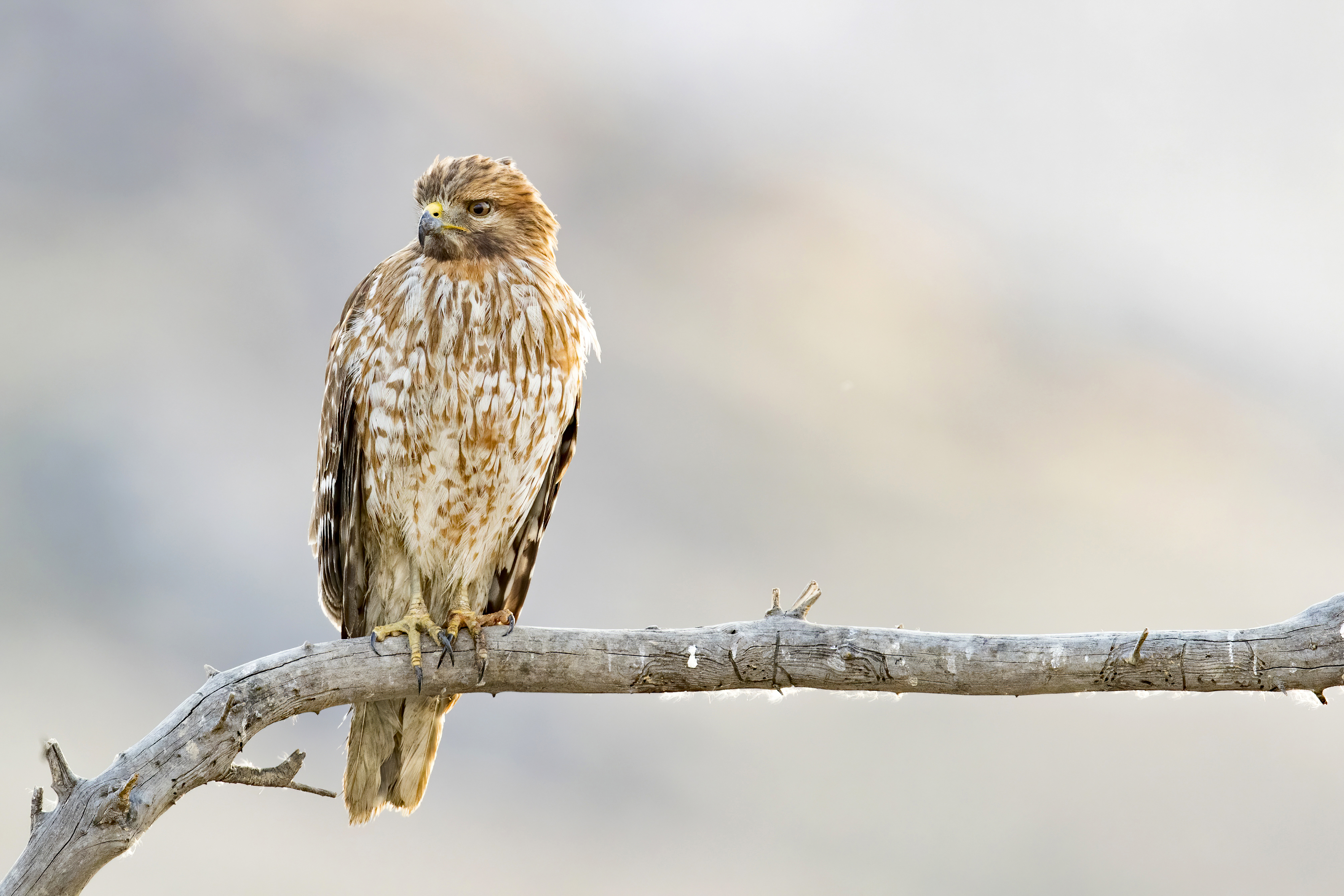
Red-shouldered Hawk sitting on a branch
Bills Eroding Growth Management Protections Continue to Progress Despite Smart Growth Objections
On January 28, several bills affecting land use and the ability of local governments to protect their communities from sprawl passed unimpeded:

HB 589 (Rep. Nix (R-Port Charlotte)) would require local governments to approve building permits for new construction as long as the project has filed an application for a septic system. Currently, cities and counties wait to authorize construction until DEP has approved the permit. While builders may bear the liability if their septic permit is denied, the consumer will ultimately bear the burden as will local governments and watershed managers wrestling with what to do about homes with no means of sanitation. The bill passed the committee unanimously.

HB 691, Agricultural Enclaves (Rep. Botana (R-Bonita Springs)), would make it harder for cities and counties to protect the rural character of agricultural enclaves against the pressures of expanding sprawl. Despite opposing testimony from speakers like 1000 Friends of Florida Director Paul Owens, the bill passed unanimously.

HB 299, Land Use Development (Rep. Borrero (R-Hialeah)), picked up an especially harmful amendment in committee, which would preempt voter-enacted county charters and the protections they provide against sprawl, affecting long-held local standards like Miami-Dade’s Urban Development Boundary.

Rep. Gantt (D-Miami) made an impassioned plea that the Legislature should not be overriding ballot initiatives: “If we trust these people to vote for us, then we should trust them to vote yay or nay on their county charter to determine how their own county is developed.”

The bill passed the House Intergovernmental Affairs Committee unimpeded.
Red-shouldered Hawk. Photo: Mick Thompson/Audubon
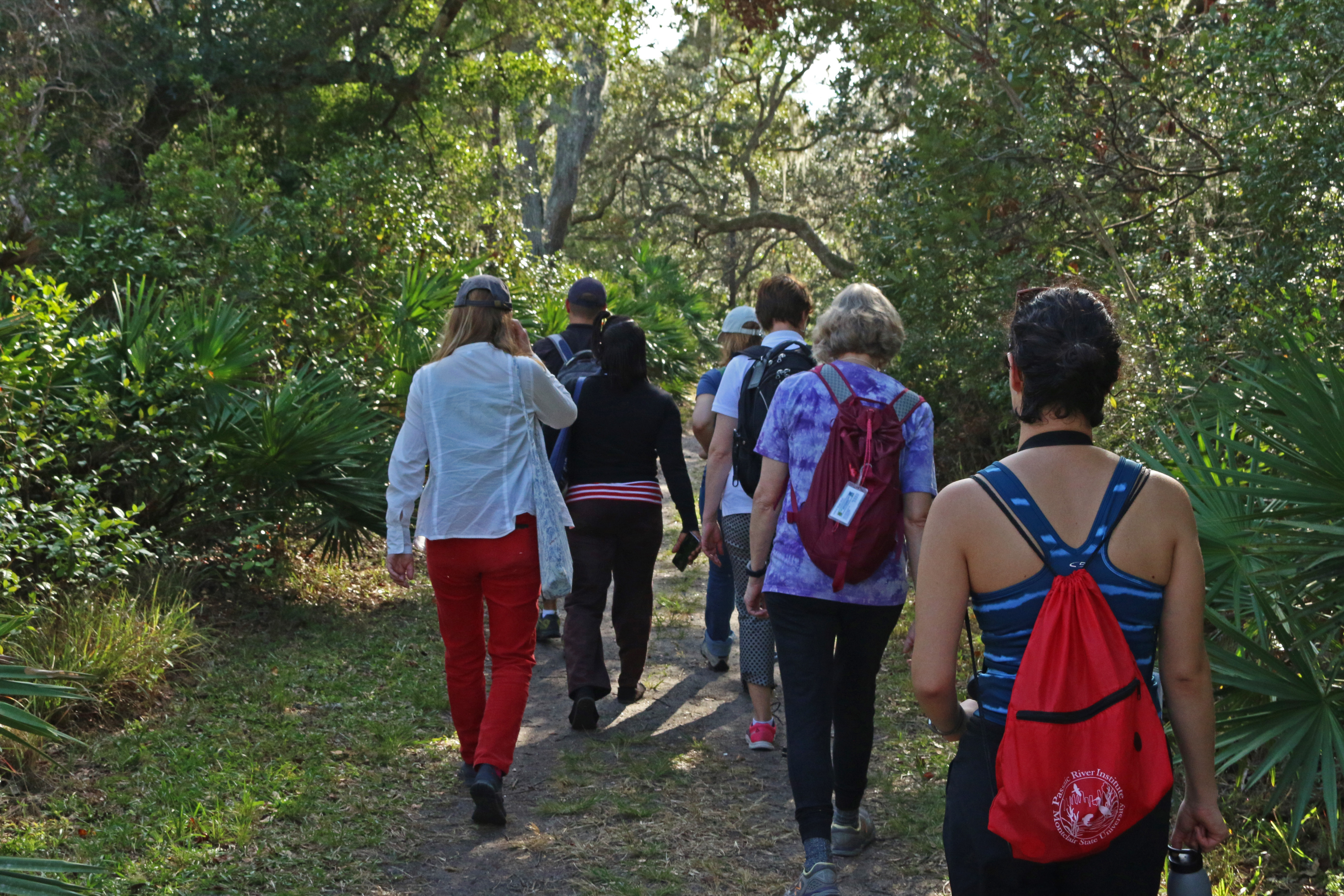
people hiking
Guana Land Swap Fix Bill Advances
On January 28, the House Agriculture and Natural Resources Budget Subcommittee met and heard HB 441, Conservation Lands, sponsored by Rep. Kendall (R-Ponte Vedra). The bill responds to concerns raised by last year’s proposed Guana River Wildlife Management Area land swap by strengthening transparency and public notice requirements for any future conservation land exchanges.

HB 441 was heard without amendment and was reported favorably by the committee on a unanimous 14–0 vote.
People hiking near Guana. Photo: Erika Zambello/Audubon Florida.
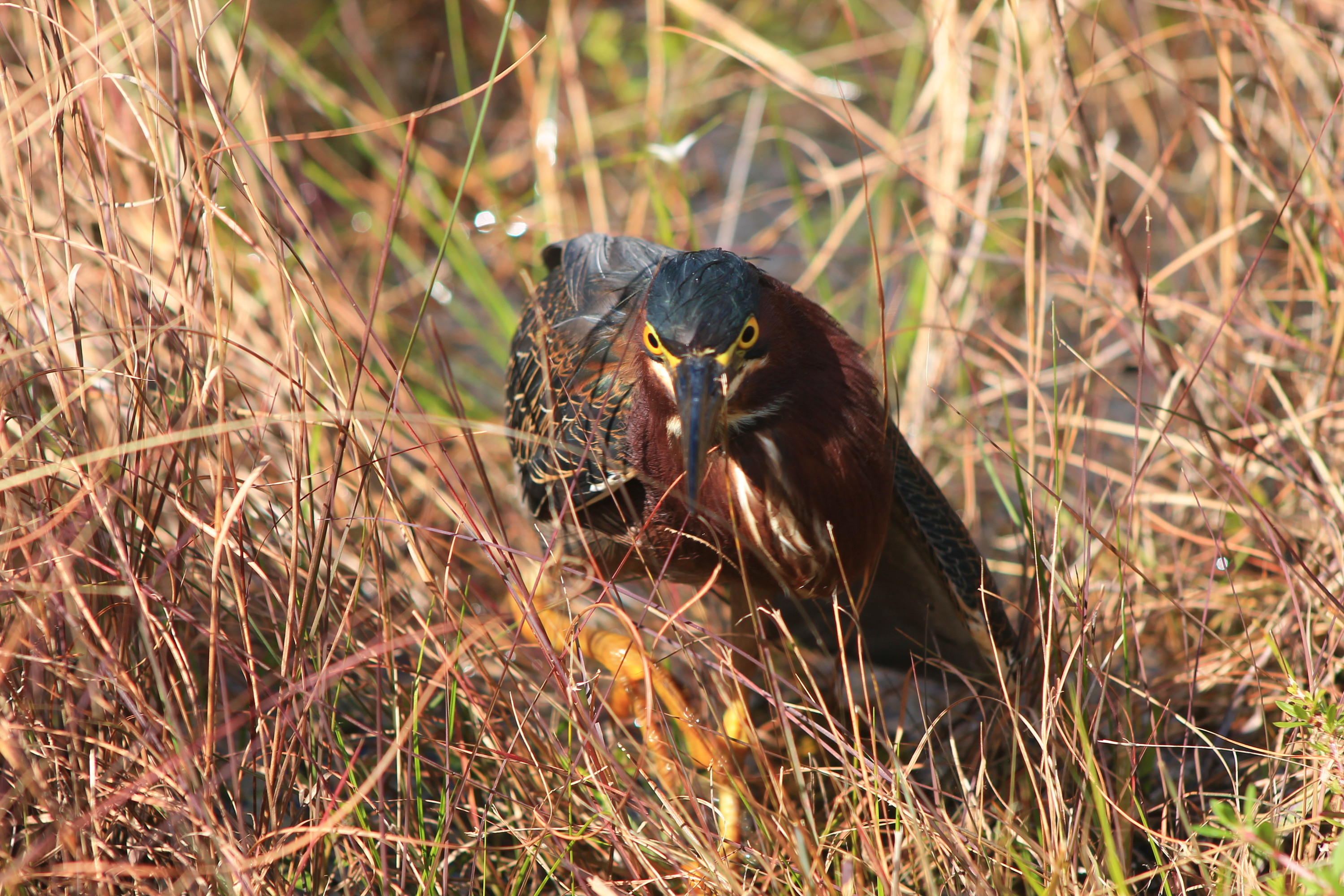
Green Heron walking through the grass.
Senate Rules Committee Hits Pause on Agriculture Bill with Risky Conservation Land Surplus Provisions
The Department of Agriculture and Consumer Service’s 1000-line agency bill, SB 290 (Sen.Truenow (R-Tavares)), addresses a myriad of issues under the agency’s purview, and has hit headwinds from interests impacted by its provisions.

This week in the Senate Rules Committee, this pressure came to a head, and the sponsor asked that the bill be “temporarily postponed” — a move to hold the bill in a committee to be heard at a later date. Opponents ranging from homebuilders to consumer advocates to conservationists have raised concerns with the bill. At Audubon, we have concerns with provisions mandating the evaluation and surplussing of conservation lands (other than state parks, forests, and wildlife management areas) to convert them to private agriculture.

This pause in the bill’s progress provides an opportunity to address its outstanding issues via amendment in a future meeting.
Green Heron. Photo: Shauna Cotrell/GBBC
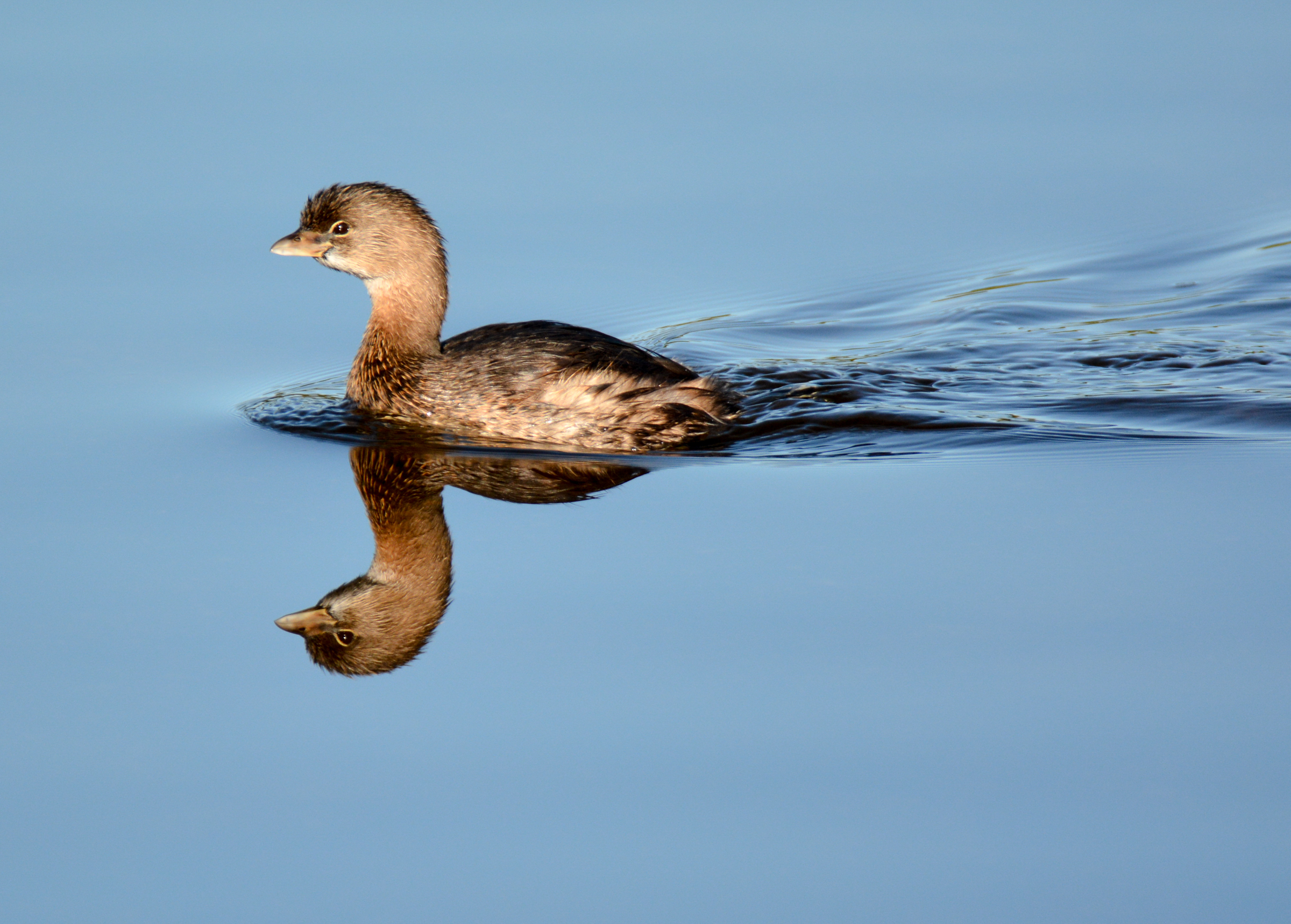
pied-billed grebe swimming through the water
Ocklahawa Restoration Bill Passes House Natural Resources and Disasters Subcommittee
HB 981, Tributaries of the St. Johns River (Rep. Duggan (R-Jacksonville)), would finally initiate restoration of the Ocklawaha River, which was dammed in 1968 for the now-abandoned and ill-conceived Cross Florida Barge Canal.

This legislation not only charts a course for restoring the river and its floodplain but also includes support for the region’s economic health during this transformation. On January 27, it was passed favorably by the House Budget Committee and is now headed to its last stop in State Affairs.

The Senate companion, SB 1066, by Sen. Brodeur (R-Lake Mary), is on the February 4 agenda of its second referenced committee, the Senate Appropriations Committee on Agriculture, Environment, and General Government.
Pied-billed Grebe. Photo: Shane ConklinGBBC
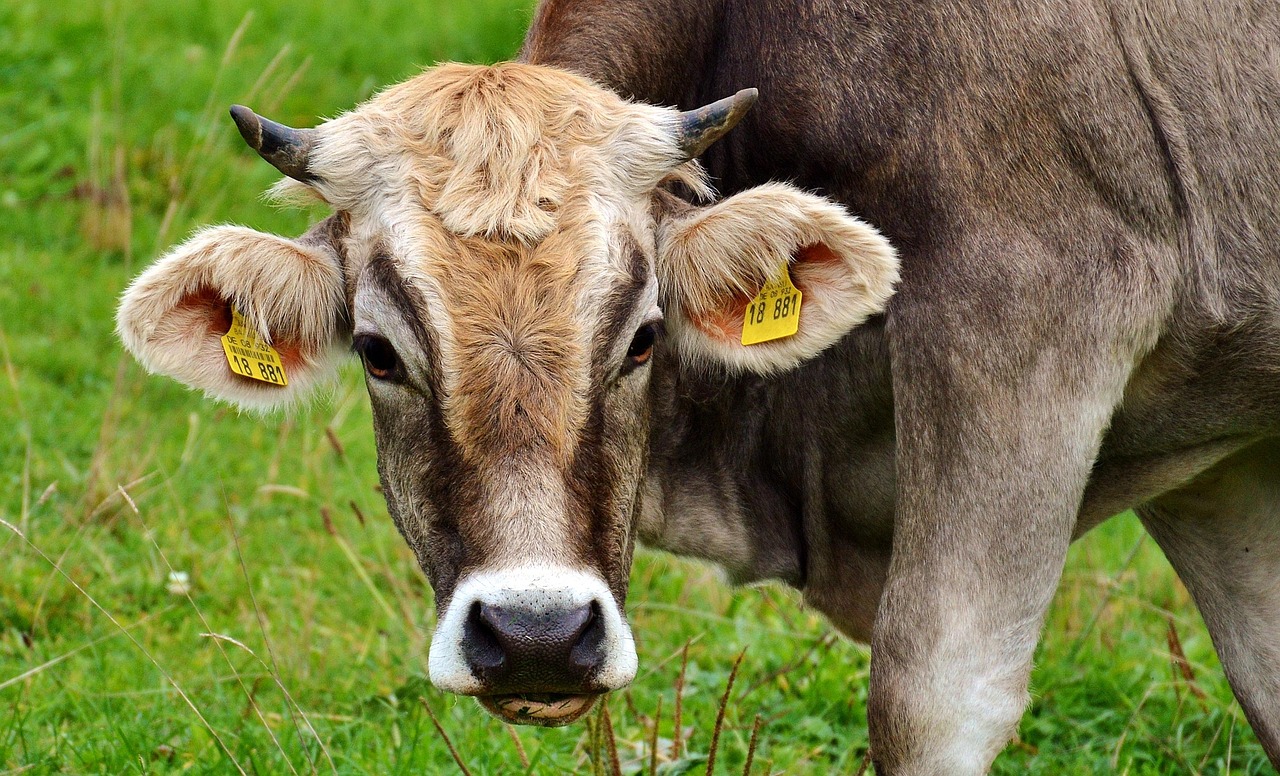
a cow
Cows on Conservation Lands? HB 1421 Passes House Natural Resources and Disasters Subcommittee
While the state already has the ability to allow cattle leases on state lands where it would be compatible with management goals, HB 1421 (Rep. Albert (R-Frostproof)) would require state agencies to evaluate if conservation lands are suitable for cattle grazing and if so, make them available for lease.

This mandate would make the decision point “Could someone graze cattle on this property?” instead of its current, more appropriate standard, “Should someone graze cattle on this property?”

Private ranches are an important part of Florida’s conservation landscape, but cattle are not always compatible with the native plant and animal communities many of our public conservation lands were acquired to protect. Further, public conservation lands double as recreational opportunities for hikers, birders, anglers, and hunters — uses that are precluded when these areas are leased for private ranching.

Over principled concerns voiced by members like Rep. Cross (D-St. Petersburg), the committee passed the bill 16-2.
Photo: Pixabay
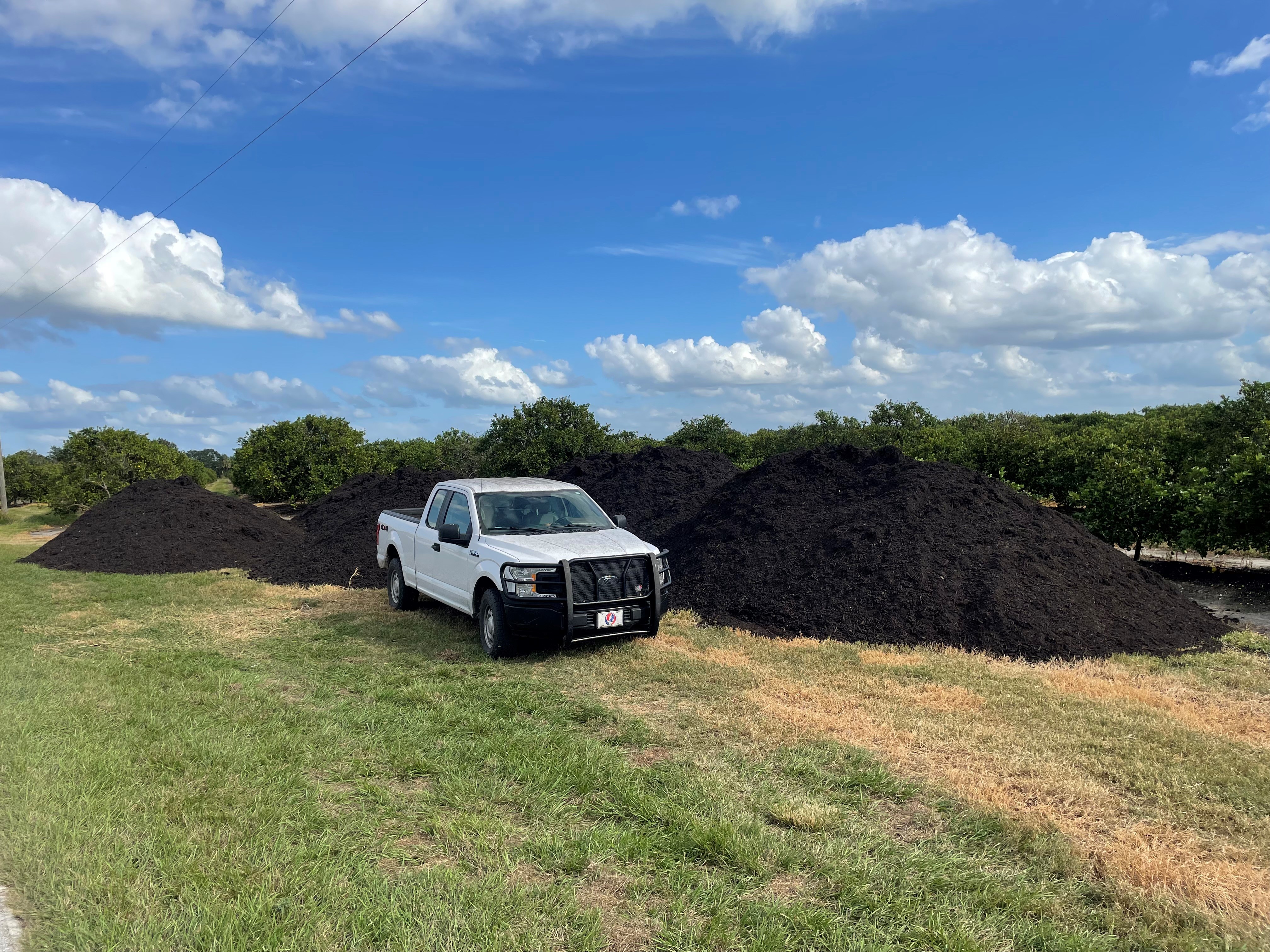
a truck next to big piles of dirt
Biosolids Bill Advances, Fixes Still Needed to Ensure Effectiveness
On January 27, Sen. Bradley (R-Fleming Island) presented SB 1294, Biosolids Management, to the Senate Environment and Natural Resources Committee. The bill seeks to limit biosolids disposal practices in Florida that can harm water quality, public health, and natural systems.

Audubon Florida views the proposal as a good starting point and is working to improve the bill by closing disposal loopholes and ensuring the Florida Department of Environmental Protection has clear and adequate regulatory authority. Audubon has been working to advance these commonsense improvements to the bill.

SB 1294 was reported favorably by the Senate Environment and Natural Resources Committee. The companion House bill, HB 1245, sponsored by Rep. Shoaf (R-Port St. Joe), was also reported favorably by the House Natural Resources and Disasters Subcommittee on January 28.
Large piles of biosolids await spreading. Photo: Paul Gray/Audubon Florida
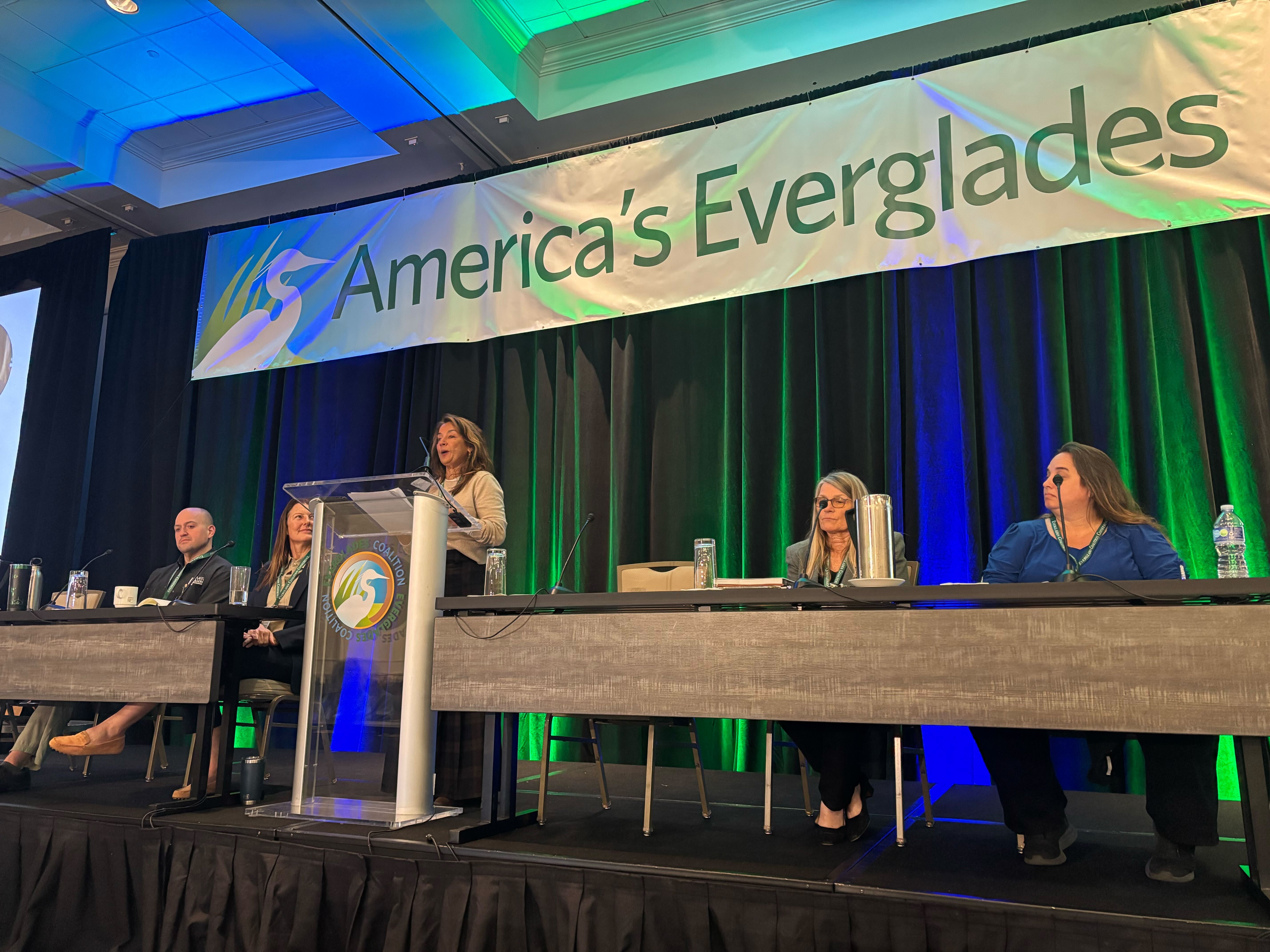
someone speaking at a podium
Everglades Partners Gather at 41st Everglades Coalition Conference
The 41st annual Everglades Coalition Conference kicked off this week with the Picayune Strand Restoration Ribbon Cutting (more information below).

On Thursday, Senior Everglades Policy Manager Mckee Gray shared insights on a panel on the impacts of last year's Senate Bill 180, and the future of smart growth. On Friday morning Senior Director of Policy Beth Alvi led an engaging panel discussion on how to restore Lake Okeechobee's health with diverse tools.

Audubon also hosted a lunch with remarks by National Audubon Society’s Habitat Conservation and Water Conservation Vice President Julie Hill-Gabriel and a keynote from Congresswoman Debbie Wasserman-Schultz.
Beth Alvi speaking as part of her panel on Lake Okeechobee at the Everglades Coalition meeting this week. Photo: Caitlin Newcamp/Audubon Florida
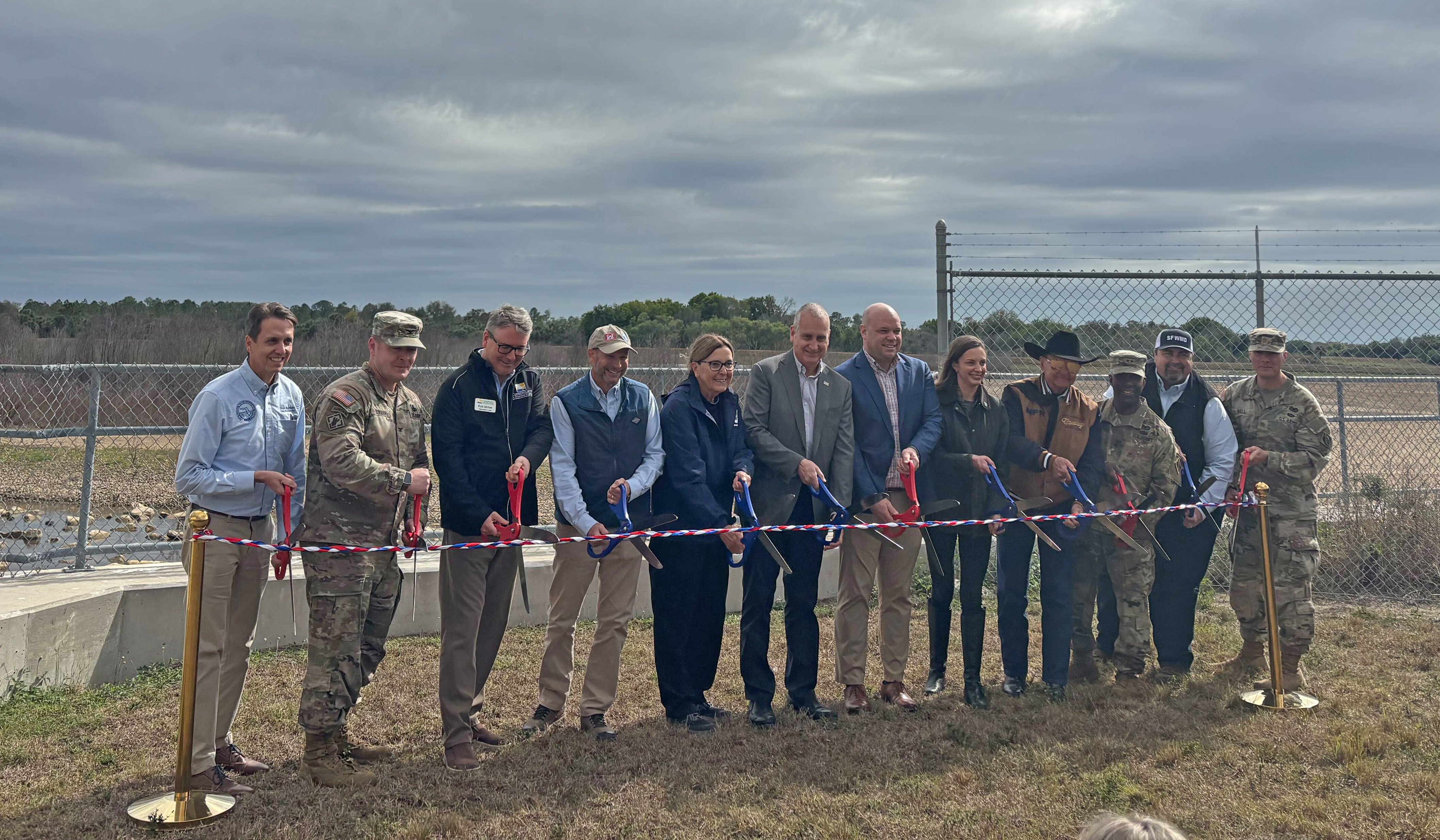
people cutting a big ribbon
Audubon Celebrates the Completion of the Picayune Strand Restoration Initiative
This week marks the completion of the Picayune Strand Restoration Project — a landmark achievement for Everglades restoration in Southwest Florida.

Spanning more than 55,000 acres between Alligator Alley and Tamiami Trail, this project restores the region’s natural water flow by removing 260 miles of roads and plugging 48 miles of canals. The result: healthier wetlands, improved water quality, enhanced aquifer recharge, and stronger protection for wildlife, including the Florida panther.

The project will also improve water flows to Collier Seminole State Park, Ten Thousand Islands National Wildlife Refuge, and the Rookery Bay National Estuarine Research Reserve, helping safeguard these vital ecosystems for generations to come.

The completion of Picayune Strand represents a major step forward for the Comprehensive Everglades Restoration Plan and demonstrates what long-term collaboration can achieve for Florida’s natural resources.
Photo: Caitlin Newcamp/Audubon Florida
Sign up for our climate newsletter.
CONNECT WITH US
FacebookInstagramLinkedInYouTube
Audubon Florida
999 Ponce de Leon Blvd, Suite 555, Coral Gables, FL 33134
(305) 371-6399 | www.audubon.org/florida

© 2026 National Audubon Society, Inc.

Unsubscribe