͏‌ ͏‌ ͏‌ ͏‌ ͏‌ ͏‌ ͏‌ ͏‌ ͏‌ ͏‌ ͏‌ ͏‌ ͏‌ ͏‌ ͏‌ ͏‌ ͏‌ ͏‌ ͏‌ ͏‌ ͏‌ ͏‌ ͏‌ ͏‌ ͏‌ ͏‌ ͏‌ ͏‌ ͏‌ ͏‌  ͏‌ ͏‌ ͏‌ ͏‌ ͏‌ ͏‌ ͏‌ ͏‌ ͏‌ ͏‌ ͏‌ ͏‌ ͏‌ ͏‌ ͏‌ ͏‌ ͏‌ ͏‌ ͏‌ ͏‌ ͏‌ ͏‌ ͏‌ ͏‌ ͏‌ ͏‌ ͏‌ ͏‌ ͏‌ ͏‌  ͏‌ ͏‌ ͏‌ ͏‌ ͏‌ ͏‌ ͏‌ ͏‌ ͏‌ ͏‌ ͏‌ ͏‌ ͏‌ ͏‌ ͏‌ ͏‌ ͏‌ ͏‌ ͏‌ ͏‌ ͏‌ ͏‌ ͏‌ ͏‌ ͏‌ ͏‌ ͏‌ ͏‌ ͏‌ ͏‌  ͏‌ ͏‌ ͏‌ ͏‌ ͏‌ ͏‌ ͏‌ ͏‌ ͏‌ ͏‌ ͏‌ ͏‌ ͏‌ ͏‌ ͏‌ ͏‌ ͏‌ ͏‌ ͏‌ ͏‌ ͏‌
Audubon Florida
Florida Legislative Session and Policy Update
Week 4 of the Florida Legislative Session again brings news of bills that would severely curtail local governments’ abilities to plan smart growth in their communities. But there’s good news too! Bills to restore the Ocklawaha and increase transparency around potential land swaps also moved forward.
a truck next to big piles of dirt
Agriculture Bill Could Harm Conservation Lands, Unleash Biosolids, and Chill Journalism
Audubon warns that Agriculture, HB 433, (Rep. Alvarez (R-Riverview))and  SB 290  (Sen. Truenow (R- Tavares)), weakens protections for both conservation lands and biosolids management by stripping away existing oversight without putting real safeguards in their place.

Conservation Lands

Buried in this bill is language that would fundamentally change how Florida treats conservation lands. Under the proposal, most conservation lands bought with public dollars after 2023 would be reviewed for agricultural “suitability” and could be sold off for farm use, with the state keeping an easement and the sale proceeds going to the agriculture department instead of back to conservation programs. This would create a pipeline where land acquired to protect water, wildlife, and public access can be converted into agricultural use, permanently weakening Florida’s conservation system.

Biosolids

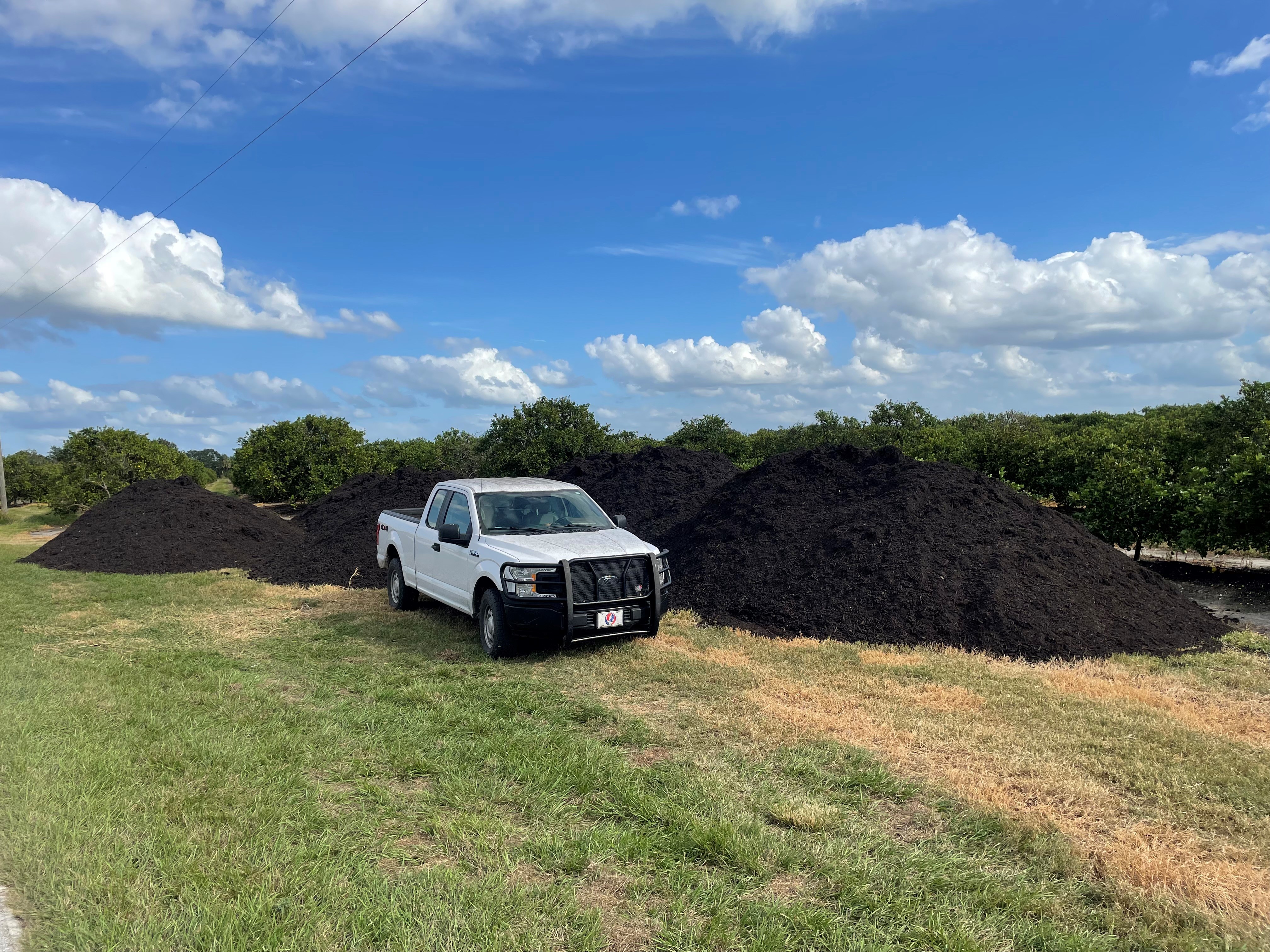
On biosolids, it dismantles current Class B safeguards and pushes use toward Class AA biosolids without permits or clear DEP authority to regulate, increasing risks to water quality, public lands, and taxpayers.

Agricultural Libel

Also included in this bill is a little-noticed provision that would greatly expand Florida’s “food libel” law and could chill speech about environmental and wildlife impacts of farming. The change broadens the law to cover nearly all agricultural products and practices, not just perishable foods, meaning criticism could trigger lawsuits. Critics warn this expansion could be used to intimidate advocates, journalists, and residents into staying quiet about harmful practices by threatening costly legal action.

HB 433 passed the Agriculture and Natural Resources Appropriations Committee (Chair, Rep. Snyder (R-Stuart)) and is headed to its last committee.
Large piles of biosolids await spreading. Photo: Paul Gray/Audubon Florida
Blue-gray Gnatcatcher standing on a branch
Bills Removing Development Oversight from Local Government Advance Again
HB 927 (Rep. Sapp (R-Palatka)) and SB 1138 (Sen. Masullo (R-Inverness)) would take control over development approvals away from cities and counties and hand it to the state and private contractors.

The bills push local governments to let private companies review development plans, speed up permits, and follow a state-written playbook for how this all works. They also stop local governments from adding extra environmental protections, fees, or review steps, and from slowing or denying projects based on which private reviewer a developer chooses.

In plain terms, the bills make it easier and faster to build, limit local and environmental safeguards, and replace local decision-making with a one-size-fits-all state system.

Why is this a problem?

The legislation strips cities and counties of the ability to protect their communities and natural resources based on local conditions, and replaces local judgment with a rigid, statewide system. It also creates incentives to rush approvals and outsource public oversight to private contractors, increasing the risk of weaker environmental review and more harmful development getting approved.

HB 927 passed the Intergovernmental Affairs Committee (Chair, Rep. Berney (R-Clearwater)) this week.  
 
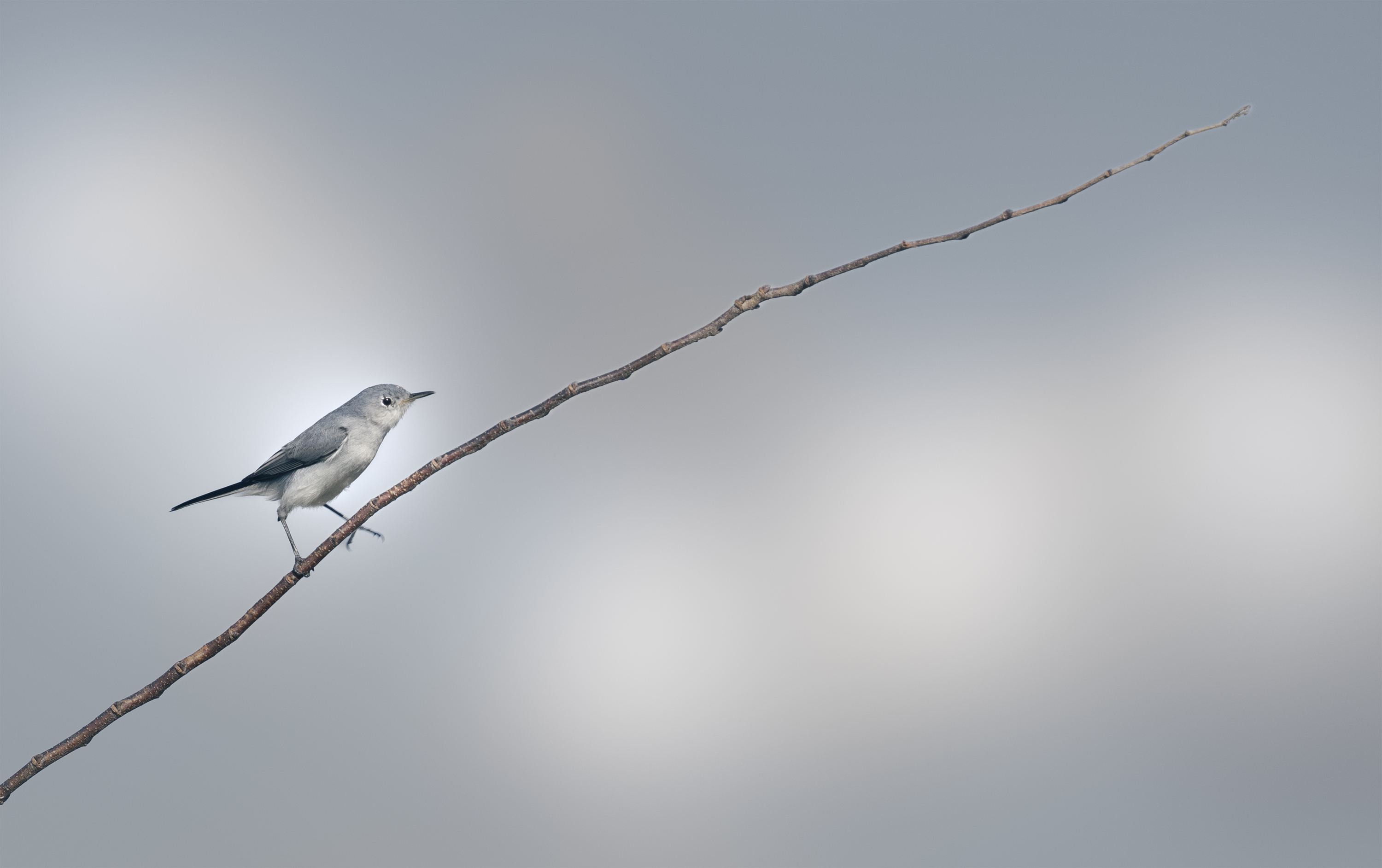
Blue-gray Gnatcatcher. Photo: Bob Burnett/Audubon Photography Awards
water
Bill Addressing Land-spreading of Sewage Byproducts Advances
On February 5, the House Housing, Agriculture and Tourism Subcommittee (Chair, Rep. Salzman (R-Escambia))voted favorably on CS/HB 1245, sponsored by Rep. Jason Shoaf (R–Port St. Joe).

HB 1245 puts basic limits and rules on how Class AA biosolids can be used on land so they aren’t over-applied and causing pollution. It requires record keeping, sets science-based application rates. These provisions are an initial step toward addressing nutrient pollution linked to biosolids and acknowledge that major loopholes still exist in how Class AA biosolids are regulated. The bill begins to close some of those gaps, and Audubon Florida is continuing to push for stronger protections as the legislation moves forward.

The bill now moves to the House State Affairs Committee.

In the Senate, SB 1294 by Sen. Jennifer Bradley (R–Fleming Island), will soon be heard next in the Appropriations Committee on Agriculture, Environment, and General Government (Chair, Sen Brodeur (R-Sanford)).

These measures are constructive early steps toward addressing nutrient pollution concerns tied to biosolids, and Audubon Florida is continuing to work to strengthen the bills as they move forward.


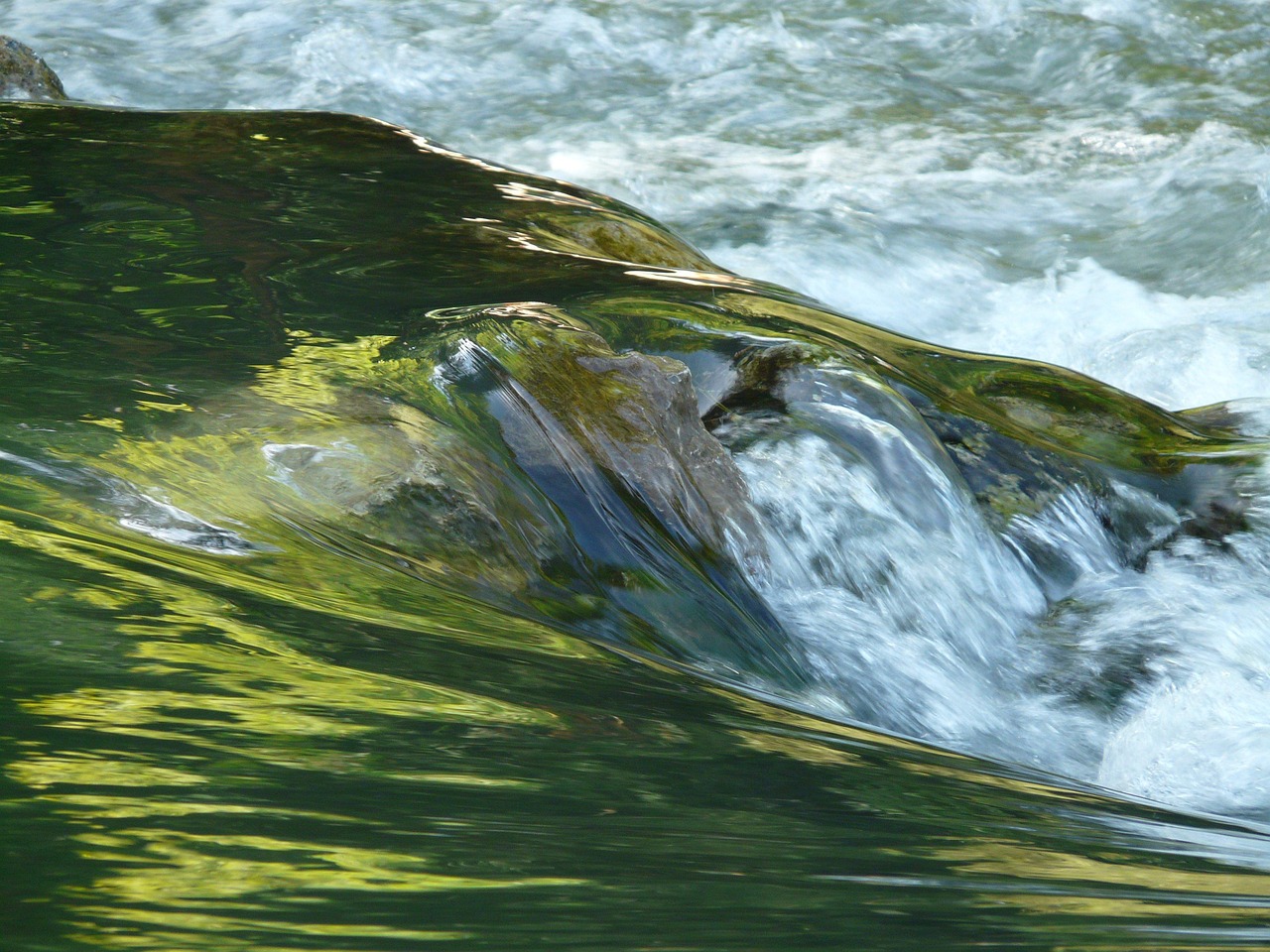
Photo: Pixabay
three common ground doves on a log
Land-use Bills Improve, but House Version Still Includes Risky Limits on Urban Development Boundaries
Land Use and Development Regulation, HB 399, (Rep. Borrero (R-Miami-Dade)) and SB 208 (Sen. McClain (R-Ocala) were filed as broad land-use preemption bills that would have limited local governments’ ability to consider compatibility in planning.

Amendment Update

HB 399 has since been amended to narrow its scope. As amended, HB 399 ties development application fees to actual review costs, requires majority-vote approval for comprehensive plan amendments, sets objective standards for assessing residential compatibility, and directs a state study on removing urban development boundaries.

However, it still contains controversial language that could make it easier to shift rural boundaries.

HB 399 passed the House Housing, Agriculture and Tourism Subcommittee, its second of three committees.

What about the Senate Version?

A much-improved SB 208—now in its final committee—does not include the rural boundary language.
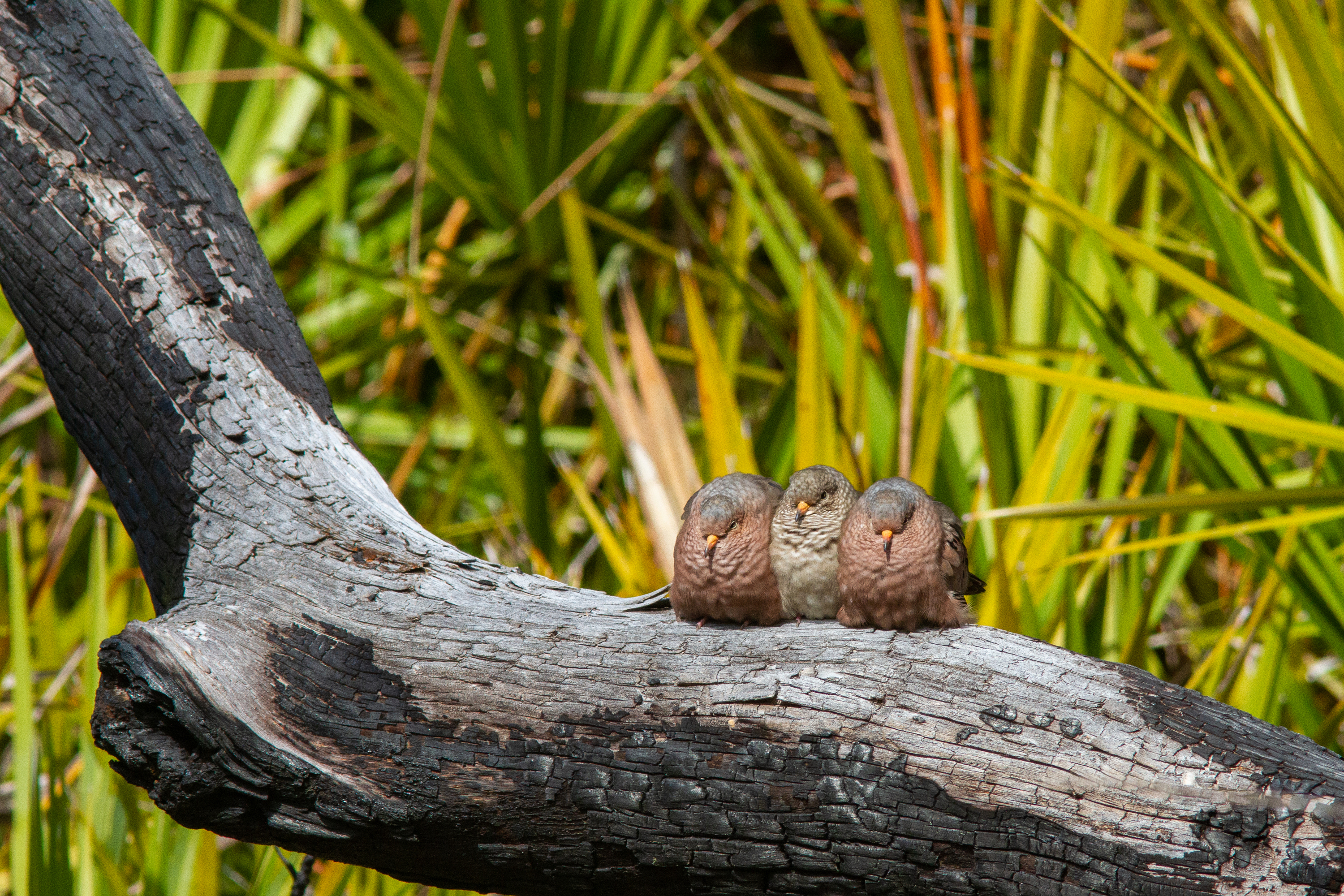
Common Ground Dove. Photo: Jim McGinity/Audubon Photography Awards
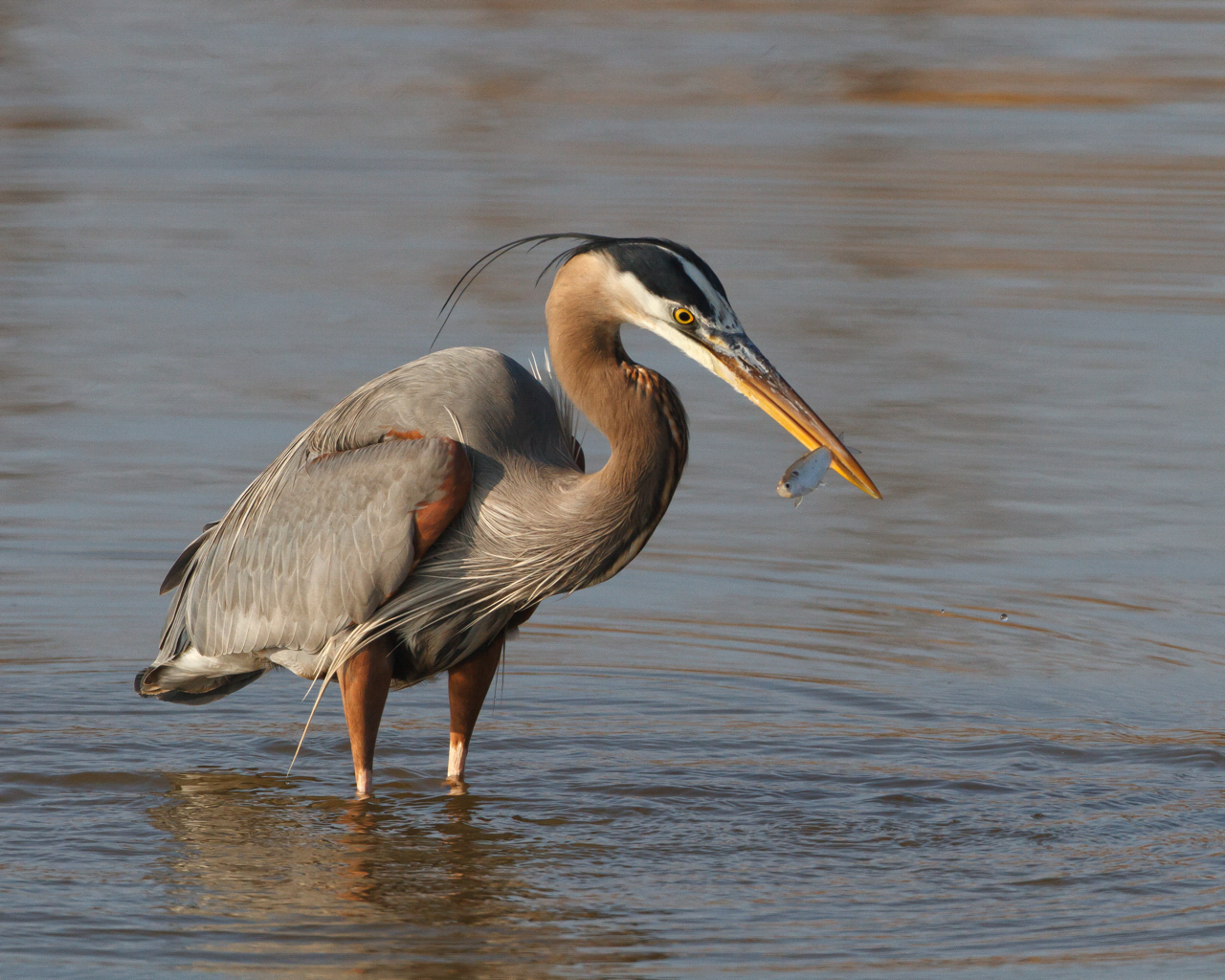
great blue heron standing in water with a gish in its bill
Ocklahawa Restoration Bill Continues Forward Momentum
Good news!

Both SB 1066 (Sen. Brodeur (R-Stanford)) and HB 0981 (Rep. Duggan (R-Jacksonville)), Tributaries of the St. Johns River, were approved this week by Appropriations Committee on Agriculture, Environment, and General Government (Chair, Sen Brodeur (R-Sanford)) and the State Affairs Committee (Chair, Rep. Robinson, R-Bradenton)), respectively.

These bills advance the long-planned restoration of the Ocklawaha River, pairing ecological recovery with recreation, economic development, and public safety. By establishing a dedicated project lead and advisory council, they create a structured, locally informed approach to protect and revitalize a key Florida waterway.
 
Great Blue Heron. Photo: Steve Creek/GBBC
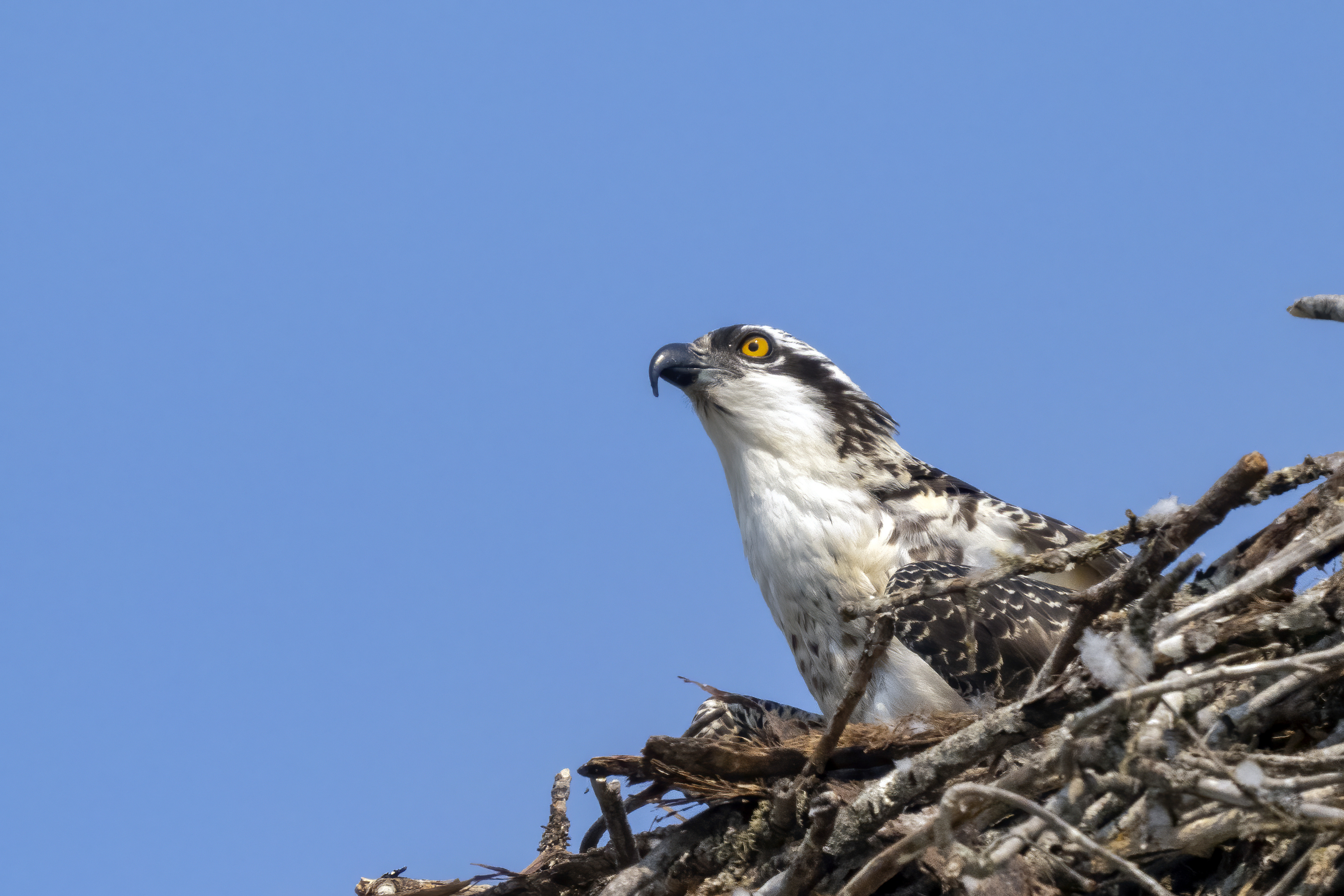
osprey looking out of its nest
Land Exchange Transparency Bill Receives Unanimous Approval from State Affairs Committee
HB 441, Conservation Lands, by Rep. Kendall (R-St. Johns County), passed with unanimous approval from the State Affairs Committee this week. 

Its Senate companion, SB 546, by Sen. Mayfield (R-Melbourne,) passed the Senate Appropriations Committee on Agriculture, Environment, and General Government Committee. 

These bills resulted from last year's outcry opposing a proposed land swap in Guana River Wildlife Management Area.

They focus on transparency and set clear rules for how the state can sell or exchange conservation lands. They aim to ensure that the public is informed before the state moves forward with conservation land sales or swaps. They require at least 30 days’ notice and that key details — such as which lands are involved, the conservation rationale, and land valuations — be posted online. 

The bill makes the state accountable and transparent when making decisions about public conservation lands.
 
Osprey. Mick Thompson/Audubon
Sign up for our climate newsletter.
CONNECT WITH US
FacebookInstagramLinkedInYouTube
Audubon Florida
999 Ponce de Leon Blvd, Suite 555, Coral Gables, FL 33134
(305) 371-6399 | www.audubon.org/florida

© 2026 National Audubon Society, Inc.

Unsubscribe